
About us
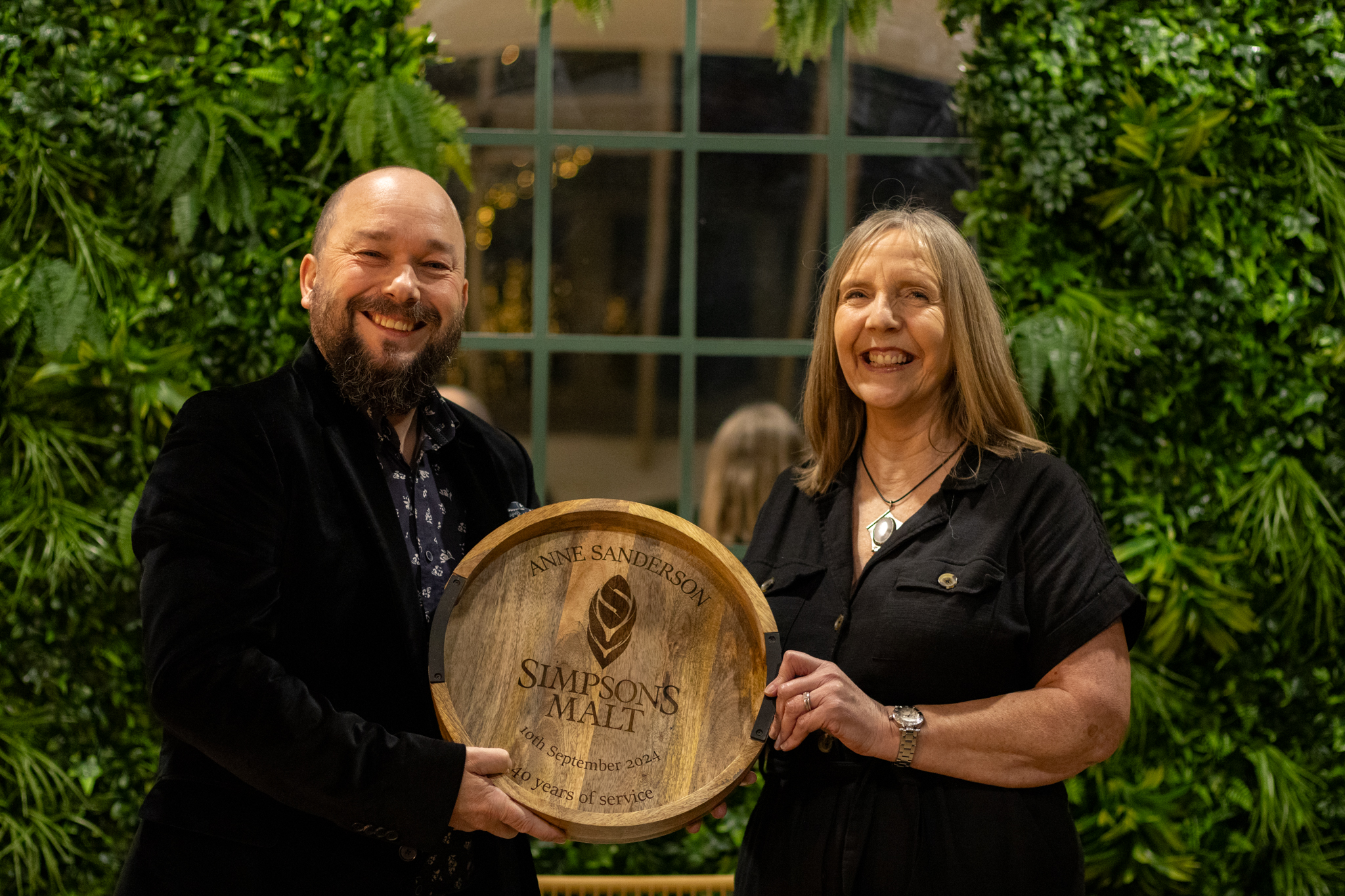
For more than 160 years, Simpsons Malt has been an independent, family business – and it proudly remains that way today.
Now in our fifth generation, we continue to produce high-quality malts with the same values we’ve held since day one: quality, integrity and care for our people – whether that be our colleagues, contracted growers or end user customers.
Generations of good malt
The story of Simpsons Malt started in 1862, when James Parker Simpson established the business in Alnwick, Northumberland.
Since then, the company has grown from regional supplier to a globally respected name in the malting industry – still led by the Simpson family and still very much considered ‘the home of good malt’.
With malting sites in Berwick-upon-Tweed, Northumberland, and Tivetshall St Margaret, Norfolk, we’ve continually invested in technology, people and innovation to meet the evolving needs of brewers and distillers across the world.
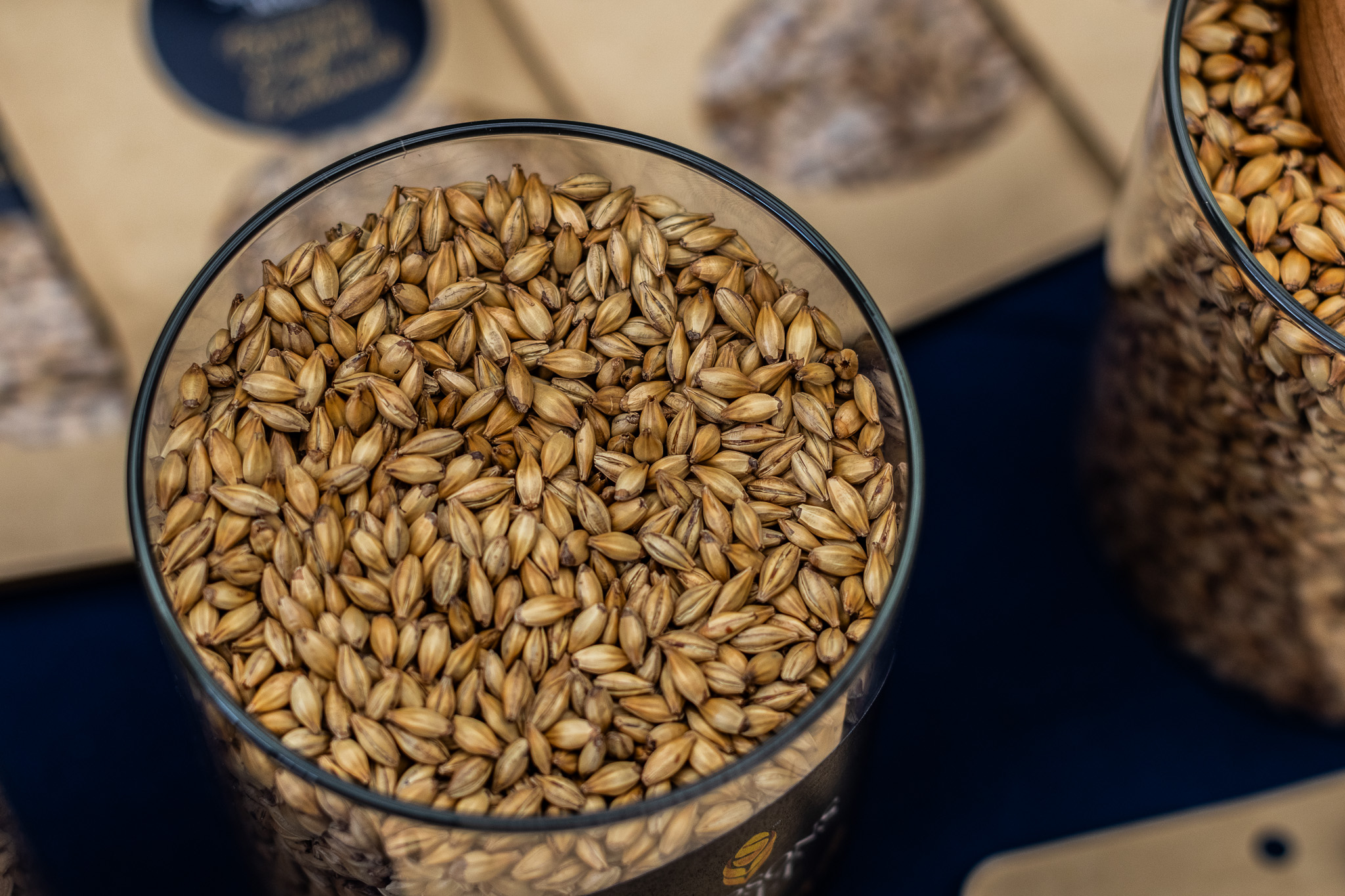
A brief history

1862
J. P. Simpson & Co. Founded
James Parker Simpson established J P Simpson & Company in Alnwick, Northumberland, and went on to set-up a number of production sites in the town. At the time of his death in 1897, the company operated eight maltings: five in Alnwick and the others in Wooler, Darlington and Morpeth. The total capacity produced was just 3,000 quarters per year, which translates to roughly 600 tonnes – less than two GKV batches at our Tweed Valley Maltings now!

1897
Tweedmouth Maltings
The founder’s son, Richard H. Simpson, took the reins while in his 20s and the growth of the business continued. He built a maltings in Tweedmouth, Berwick-upon-Tweed, in 1902 beside the harbour, with a view to exporting malt to customers by boat.

1915
'Parker' Simpson
The Simpson family lost Richard H. Simpson’s brother, James Parker Norfolk Simpson, during World War One. ‘Parker’, as he was known, was enlisted into the Royal Fusiliers (City of London Regiment) at the end of 1914 and during the Battle of Ypres on May 27, 1915, he was killed alongside another 14 soldiers in his squad – including his brother-in-law – following the use of chlorine gas as a weapon by the German Army. James Parker Norfolk Simpson is buried in Harlebeke New British Cemetery in Belgium.

1919
Registered Limited Company
J P Simpson & Company became a registered limited company. It is thought this was done because the owners of the Darlington maltings – our largest site at the time – wanted us to buy it outright. The purchase went through in 1922, but the maltings caught fire not long after and it took more than two years for it to be back producing malt again.

1942
Death of Richard H. Simpson
Richard H. Simpson died following 45 years of spearheading the business and a period where production grew from 18,000 quarters to 60,000 quarters. At that time, his sons and third generation members of the Simpson family, James F. Simpson and Richard L. Simpson, were enlisted in the British Army during World War Two and elder son James was discharged to run the business. Richard L. Simpson remained in the Northumberland Fusiliers (9th Battalion) and, that same year, the 500 men in the battalion were captured in Singapore after it fell to the Japanese Army. For the next three-and-a-half years, Richard was a Japanese prisoner of war and one of many thousands of POWs tasked with building the Siam-Burma Railway in brutal conditions. He was freed in August 1945 and returned home to his family – the only contact of which he had during that time was five letters.

1952
Saladin Box Development
Back working for the family business, Richard L. Simpson became interested in pneumatic maltings, which were starting to be developed in continental Europe. When Simon Simpson, his son, joined the family business aged 18 in 1953, he was sent to the Netherlands to better understand what happened in pneumatic malting sites. As a result, the company spent the next few years experimenting with Saladin boxes – a large rectangular container where germination took place, including mechanised turning equipment to mix the grain bed, aerate it and prevent matting of the rootlets. At this time, the company had 17 malting sites between Berwick-upon-Tweed and Selby, North Yorkshire, employed 150 people and produced 80,000 quarters per year.

1960s
Tweed Valley Maltings
Looking for a place to build a larger headquarters, Belford was strongly considered as a potential location until a serious flood at the site prompted James and Richard to look 15 miles north in Berwick-upon-Tweed. The town clerk offered 4.172 acres of land on the now Tweedside Trading Estate, a deal was agreed and the construction of the company’s Tweed Valley Maltings began. On New Year’s Day 1963, the first steep was cast and Simon Simpson recalled that the weather was so cold on that day that all the steephouse pipes froze! The opening of Tweed Valley Maltings – featuring the pneumatic Saladin boxes that had been extensively researched – resulted in the closure of all other sites, which were floor maltings.

1980
McCreath Simpson
With malt production increasing, Simon Simpson – now Managing Director – was approached by David McCreath after his family merchanting business, H. G. McCreath & Son, was sold to the Association of British Maltsters (ABM) and he wanted to start his own business. McCreath Simpson – which would later become McCreath Simpson & Prentice (MSP) in 1983 – was founded after Simon gave David his credit lines and most of the company’s malting barley contracting was done through MSP. We’re proud to say this still remains the case today. Also around this time in 1981, Simon became Chairman following the death of his uncle James.

1986
Tivetshall
Feeling slightly off-grid with malting sites in Northumberland and Haddington, East Lothian (purchased in 1972) and with a desire to have a greater reach further south, the company acquired four malting sites owned by Grand Metropolitan for £6 million: Ditchingham, Pontefract, Abingdon and Tivetshall. The latter is the only one still owned by us and in operation today. Ditchingham caught fire and Pontefract was closed, with the germination drums moved to Berwick. Abingdon, meanwhile, was also closed and the germination drums were moved to Tivetshall. These drums are still used today to germinate barley for crystal and roasted malt production.

1997
Grain Storage
As growth continued, it became apparent that the company needed its own in-house grain storage infrastructure to store and improve control over the malting barley purchased from farm each harvest. The Fersfield Grain Store, a former RAF base during World War Two, was purchased in 1997 to store malting barley destined for our Tivetshall Maltings, while the Craigswalls Grain Store in the Scottish Borders was purchased in 2000 to service our Tweed Valley Maltings.

2000s
Tim McCreath Named MD
Tim McCreath, son of David McCreath, became Managing Director in 2004. Simon Simpson continued as Chairman but stepped back from the day-to-day running of the business, but his sons – Richard E. Simpson and Peter L. Simpson, part of the fifth generation – became very much involved and part of the company’s Board of Directors. Later that decade, the businesses of Simpsons Malt and McCreath Simpson & Prentice were merged into Simpsons Malt Limited, streamlining and integrating operations and bringing colleagues from both businesses together in the same office.

2010s
Tivetshall Expansion
Following extensive global travel, Peter L. Simpson identified the craft brewing sector as a market with significant growth potential. Ties with North American distributor RahrBSG – a fellow generational family business – were strengthened, while distribution agreements were also developed with businesses in Europe, Asia, Africa and Oceania. Craft brewers sought quality, experimental products with smaller order requirements, so Peter drove significant R&D work in the Roast House at Tivetshall, while a Bagging Hall was also built to enable the packaging of our growing range of malts in 25kg bag sizes. Sadly, Peter passed away in 2017 and brother Richard took on his role in brewing and export malt sales.

2021
W. N. Lindsay Ltd Acquisition
With malt production volumes now standing at more than 250,000 tonnes per year, an increase in grain storage capacity was needed. As a result, the company purchased the grain merchanting division of W. N. Lindsay Ltd, providing 250,000 tonnes of additional grain storage across four sites in Scotland: Gladsmuir, East Lothian; Sidlaw, Perthshire; Stracathro, Angus; Keith, Morayshire. The former W. N. Lindsay Ltd farm traders joined the McCreath Simpson & Prentice team, helping to broaden the division’s trading area further following the acquisition of another grain merchant, John Guthrie Ltd, a decade earlier in 2011. The year 2021 was also when we became B Corp certified for the first time.

2024
New Chair
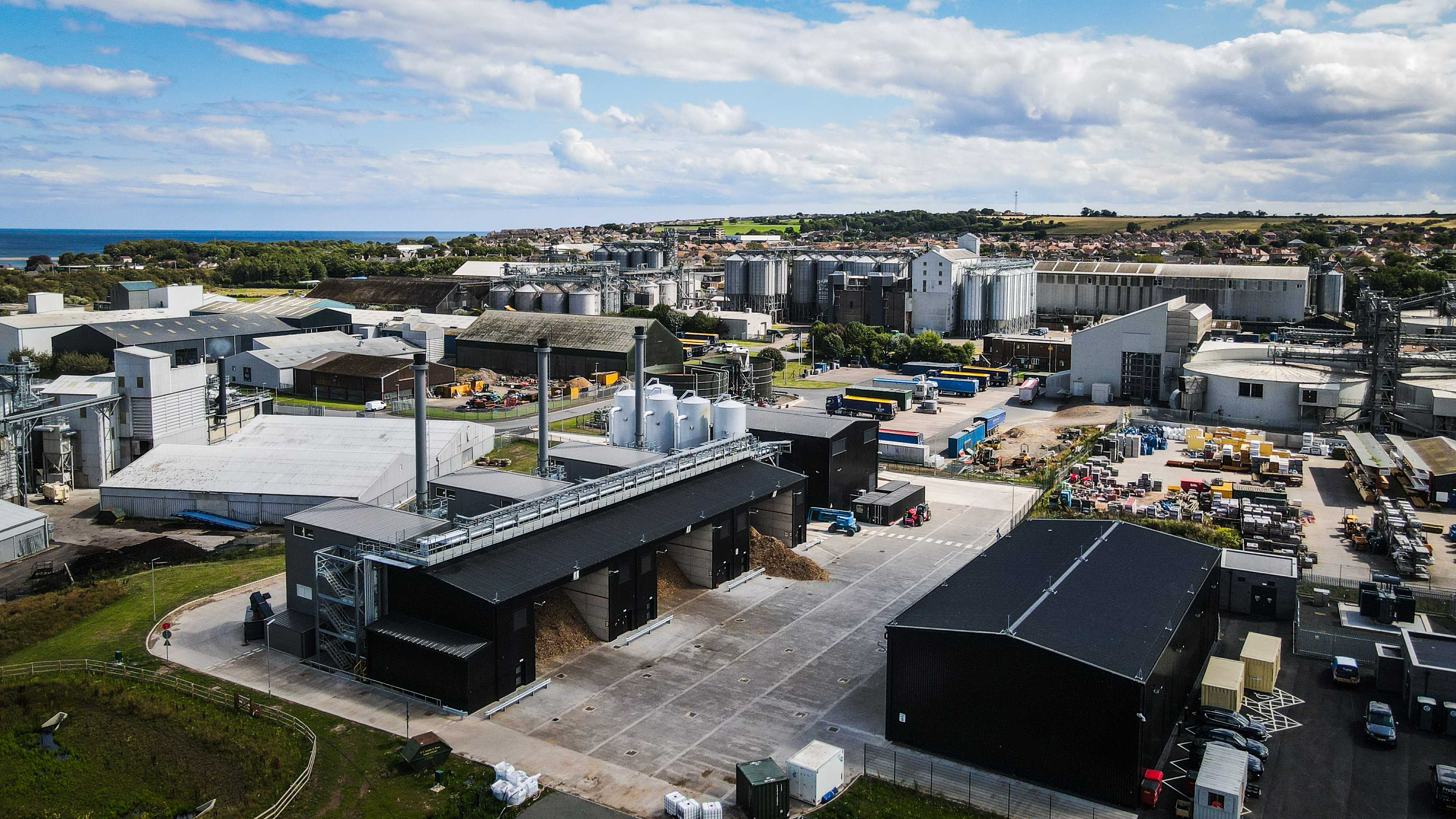
Following the deaths of both David McCreath and Simon Simpson in late 2023, Richard E. Simpson assumed the position of Chair at a board meeting in early 2024. The year was significant as several major capital expenditure projects came online at the company’s Tweed Valley Maltings. A tenth GKV began production, increasing malting capacity by 15,000 tonnes per year and up to 315,000 tonnes per year in total, while a new Peated Malt Production Plant also came online. Finally, the renewable Energy Centre – a joint venture with AMP Clean Energy – started producing heat for the two sets of GKVs, resulting in a carbon footprint reduction of each batch of malt by up to 80%.
Why independence matters
We're one of only a few maltsters in the UK that remains an independent business.
Being independent means we’re not answerable to a parent company, allowing us to be flexible, make decisions quickly and invest where it matters.
This is always with a long-term view as we seek to sustainably grow our family business for future generations.
From taking the care and attention required to create brand new products in our Roast House, to giving the green light on major investments or sustainability-related projects, our independence gives us freedom to grow with purpose and build stronger relationships with our customers.
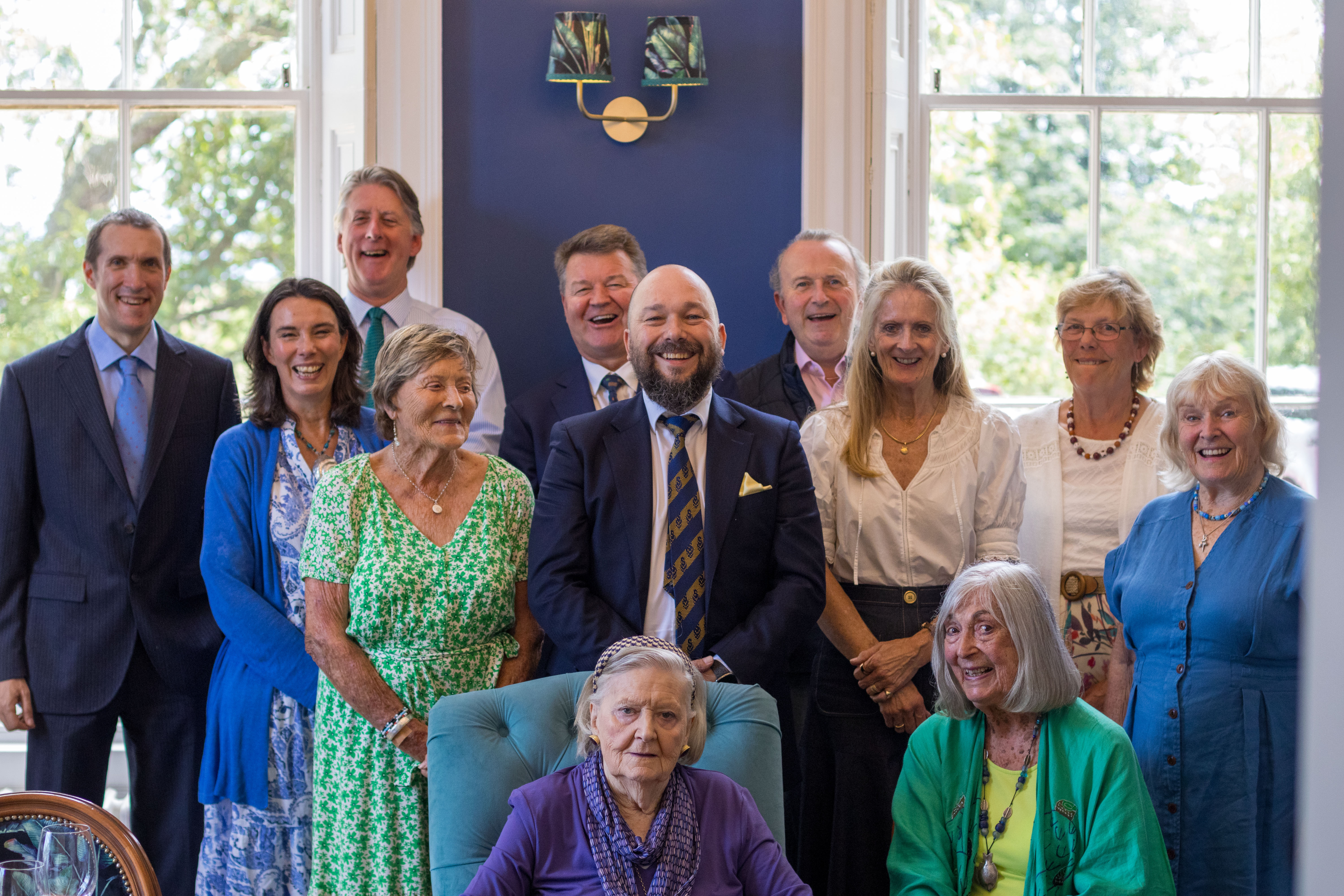
“From the barley we source, to the malt we produce, we care as much now as we did in 1862”
Simon Simpson OBE, Chairman (1981-2023)
A wealth of expertise
We’re the only malting business in the UK that directly employs industry experts throughout the malt supply chain.
This includes seed and agronomy specialists who provide support to our contracted growers during the season, right through to master maltsters and brewers with decades of hands-on experience.
That’s why brewers and distillers choose us not just for the quality of our products, but for the support and insight that comes with it.
Shaped by B Corp
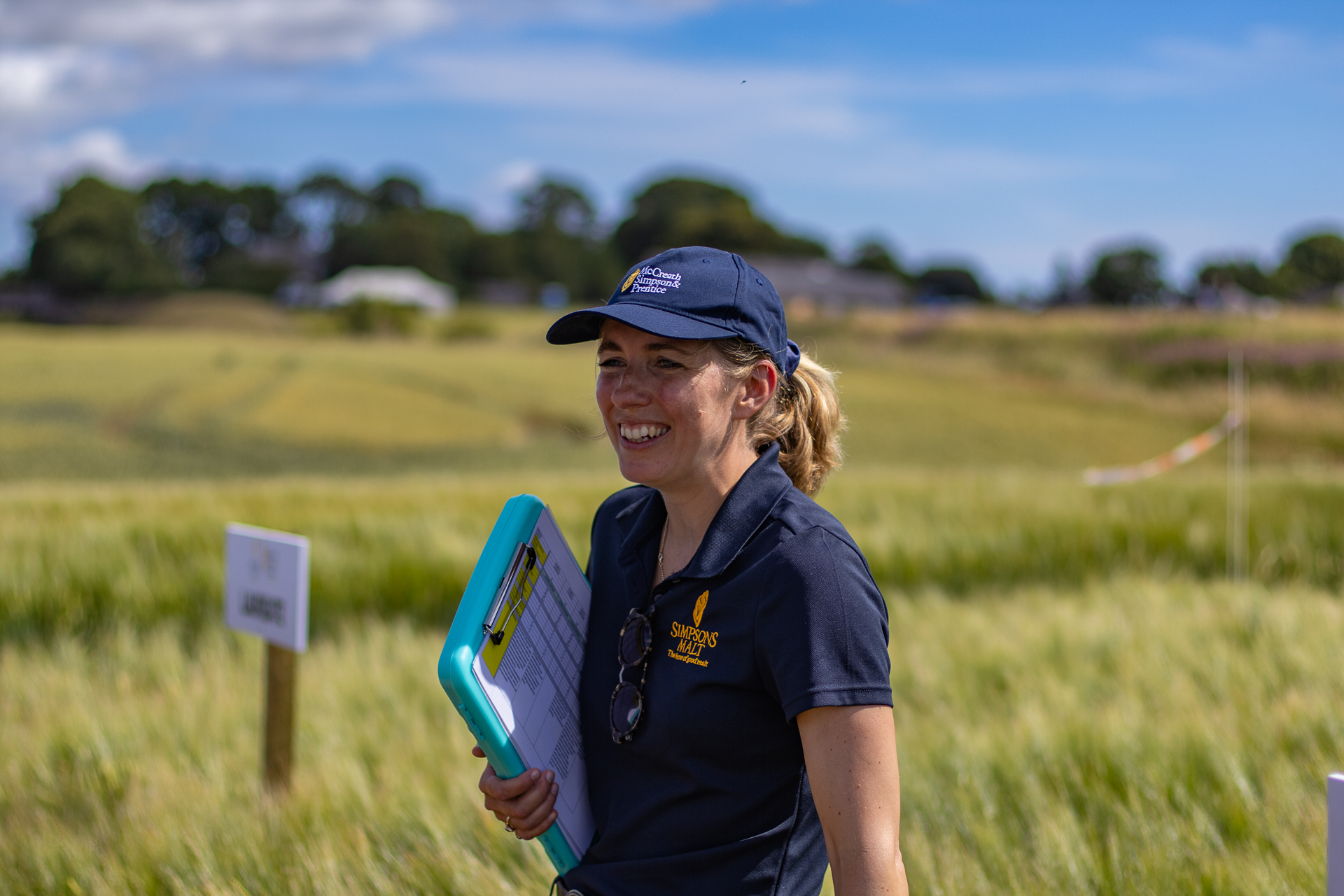
We’re a Certified B Corporation and the assessment framework – which we were recertified under in 2025 – has helped to shape our overall business strategy.
We’re committed to reducing our Scope 1 & 2 emissions every year and to collaborating with agricultural input suppliers to lower our Scope 3 emissions. In recent years, we've made some exciting steps towards creating a more resilient and sustainable supply chain.
Supply chain traceability
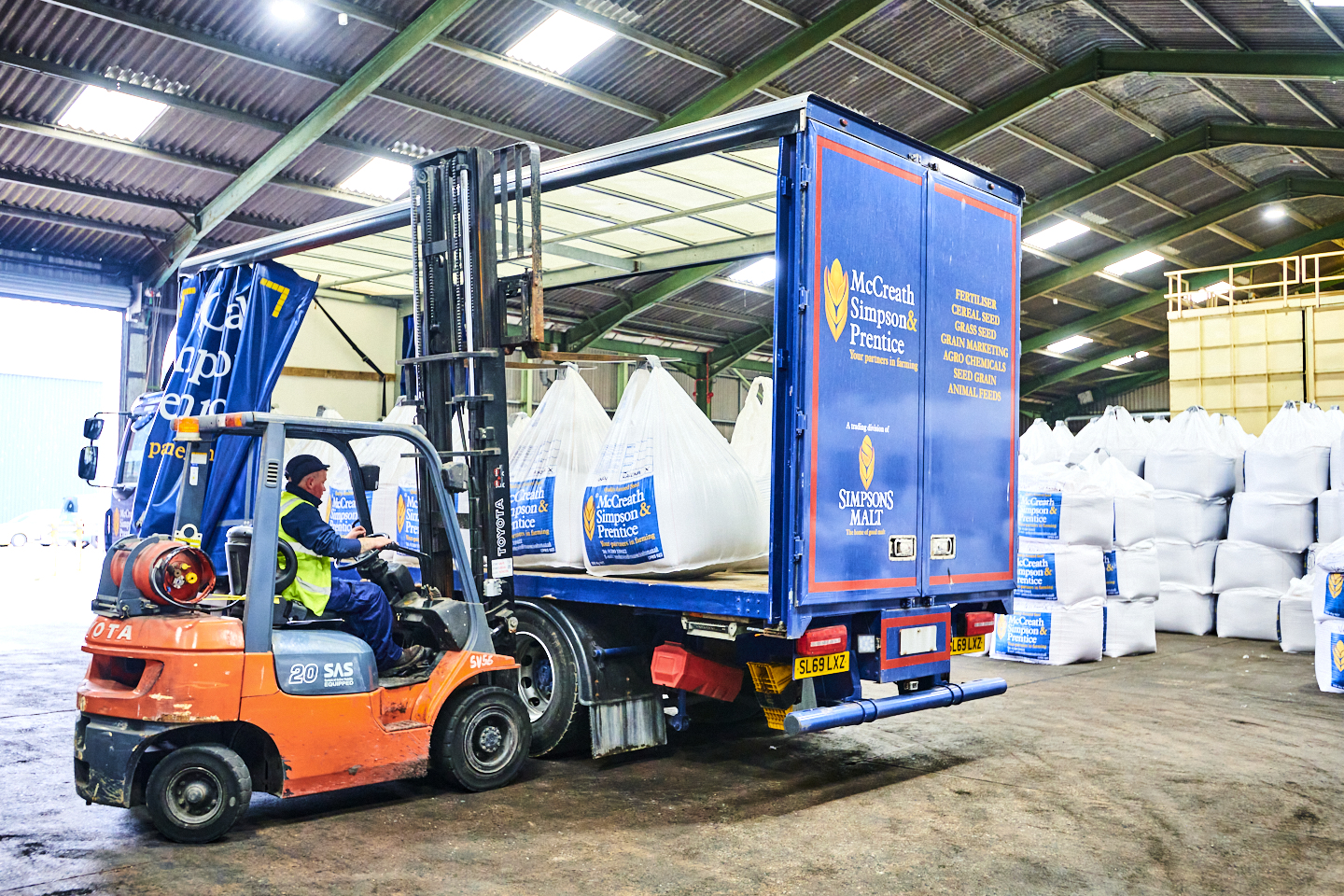
Our agricultural merchanting division – McCreath Simpson & Prentice – gives us direct access to our contracted growers and gives us the ability to supply them with all the farm inputs they require to grow high-quality malting barley.
We also have our own haulage department with more than 30 HGVs and in-house grain storage infrastructure totalling more than 450,000 tonnes, giving us complete oversight and control of the raw material between the farm and our malting sites.
Investing in our people
We have long considered our workforce to be key to the success of our fifth-generation, family business.
We’re proud that many colleagues choose to spend most of their working careers with us, building up decades of knowledge that is then passed on to the next generation.
We invest significantly in our people each year to ensure that they are not only informed, engaged, equipped and empowered in the workplace, but are rewarded well financially and supported with their physical and mental wellbeing.