

Berwick-upon-Tweed
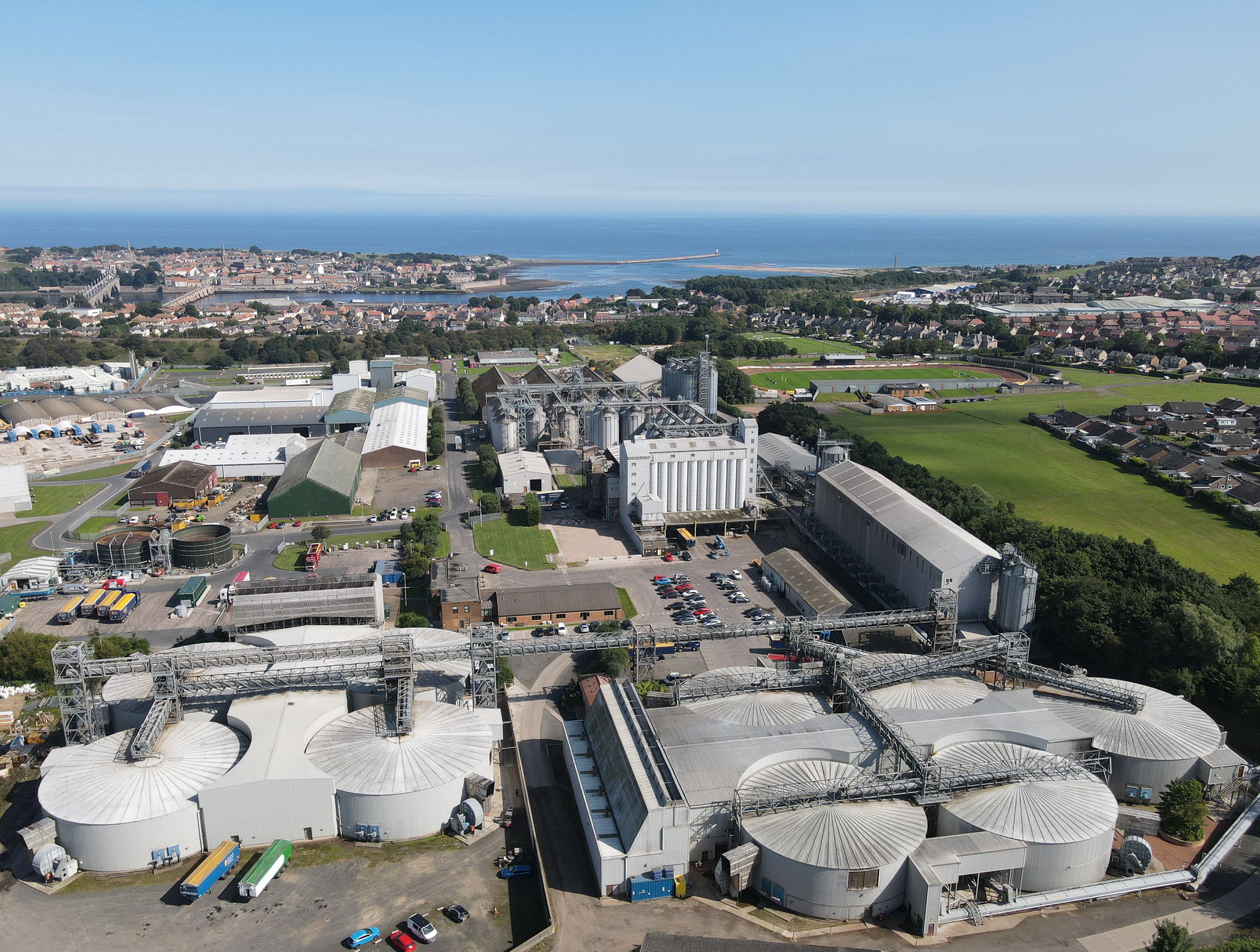
Our Tweed Valley Maltings in the historic Northumbrian town of Berwick-upon-Tweed has been the headquarters of Simpsons Malt since 1963.
Construction work started on the maltings in 1961 and, on New Year’s Day 1963, the first steep was cast. Simon Simpson OBE, Chairman from 1981-2023, recalled that the weather was so cold on that day that all the steephouse pipes froze!
Continuous investment and growth in the decades that have followed has seen our Tweed Valley Maltings become the largest single malting site in the UK, as well as being one of the most sustainable.
The site has the capacity to produce 260,000 tonnes of malt each year, with the majority of that delivered via bulk wagon loads to whisky distilleries throughout Scotland.
About Berwick-upon-Tweed
Berwick-upon-Tweed is the northernmost town in England, situated two miles south of the Scottish border and at the mouth of the River Tweed – the 12th longest river in the United Kingdom.
Given its geographical position, the town has an esteemed history. It has changed hands between England and Scotland more than a dozen times over the centuries.
This has made Berwick-upon-Tweed a very popular UK tourist destination, with thousands of visitors coming to the town each year to view its historic landmarks, including the Elizabethan Walls, Town Hall and Grade I Listed Old Bridge, which was built between 1611 and 1624.
The maltings lies less than a mile from these landmarks on the Tweedmouth (south) side of the river and, from the top of our malt storage silos, the town’s landscape can be seen, along with the mouth of the river and the North Sea beyond.
Our distilling malt hub
Our Tweed Valley Maltings primarily produces distilling malt for whisky distilleries across Scotland, while our Tivetshall Maltings produces malt for the craft brewing and food industries. As a result, the processes at each site differ.
At our Tweed Valley Maltings, once the barley passes the required quality checks at our on-site laboratory, it goes into one of our many storage sheds. In total, we have 70,000 tonnes of on-site barley storage, which is in addition to our existing six grain storage sites throughout the UK.
We purchase, control and store 100% of our annual barley requirement in quality assured stores.
For the first stage of the active malting process, which is steeping, our Tweed Valley Maltings is home to our Jubilee Steephouse. In here, there are 24 large cylindroconical steeping vessels. They are 11 metres tall and five metres wide, each with the capacity to hold between 65 and 75 tonnes of barley.
Fuelled by renewables
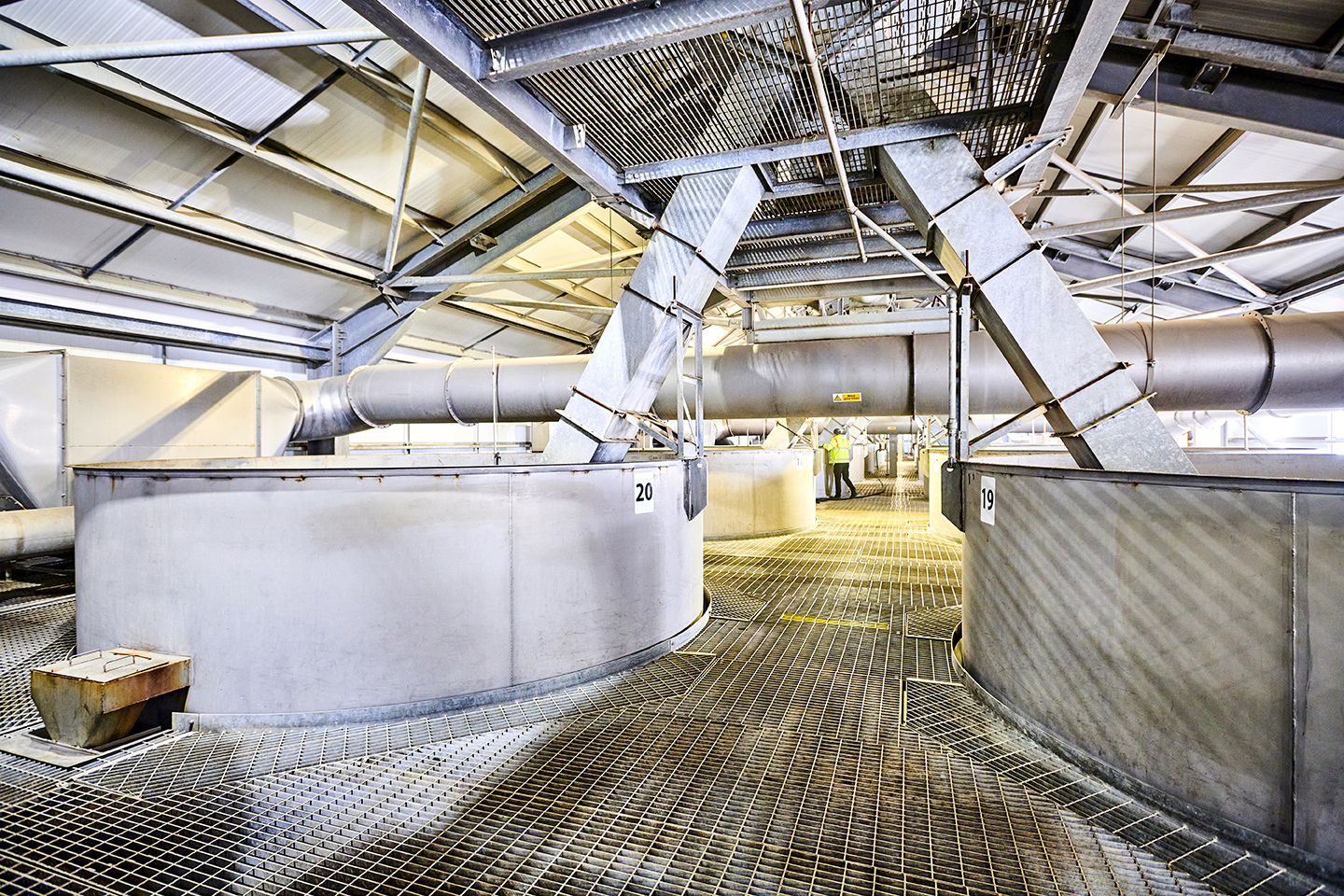
Once the steeping process is complete, most of the barley we intake is then transferred to one of our ten germination & kilning vessels (GKVs), where the germination and kilning processes take place.
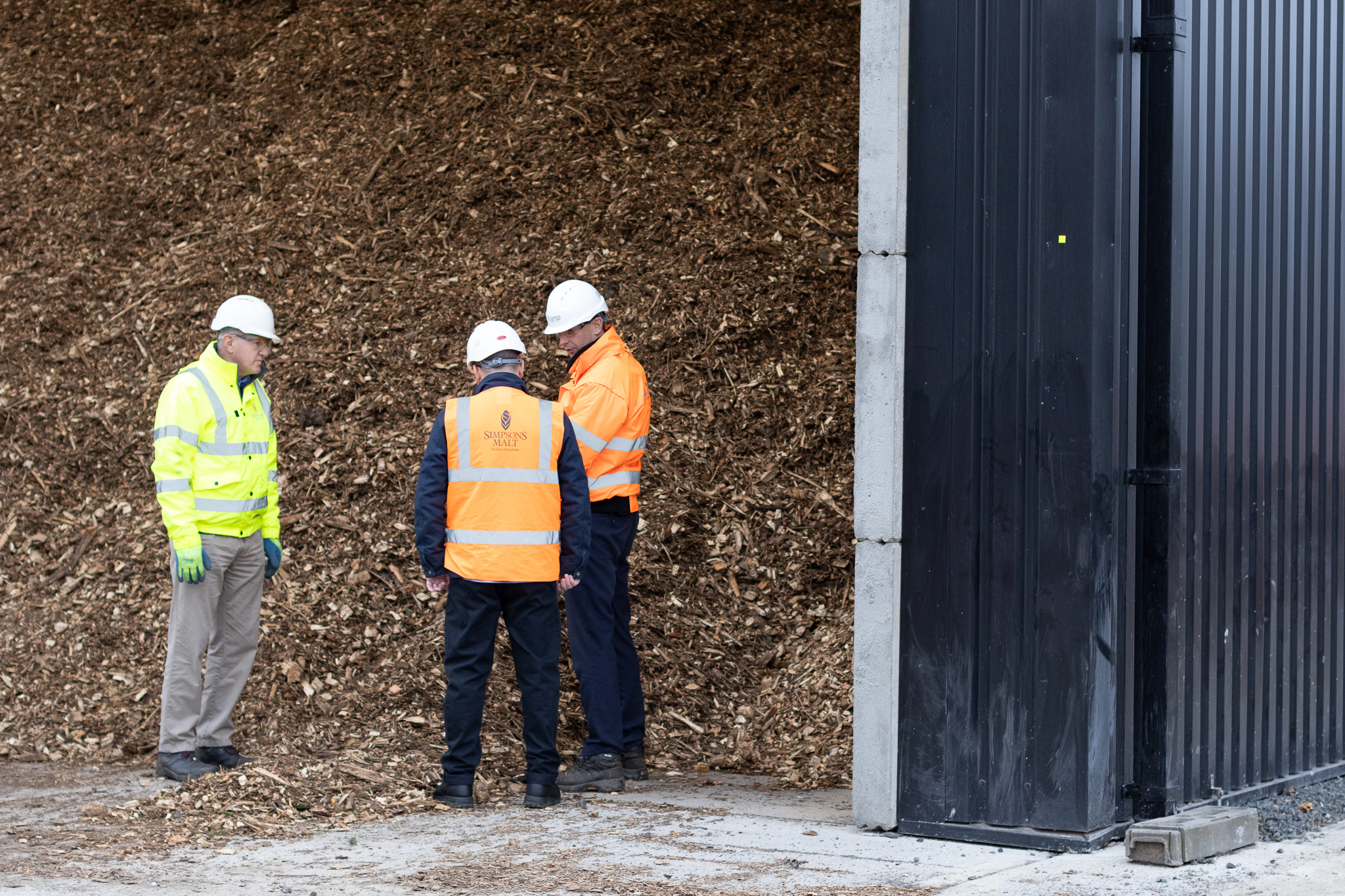
Heat for the kilning process, where the grains are dried down from around 45% to 4%, is powered by our neighbouring Energy Centre. Operated by AMP Clean Energy, the Energy Centre came online in late 2024 and has reduced Scope 1 & 2 emissions from malt production by 72% through its renewable fuel sources: curtailed wind and biomass.
A smaller quantity of barley is transported to our germination drum room, where it goes through just the germination phase to produce ‘green’ (unkilned) malt for one of our major distilling customers.


Peating plant
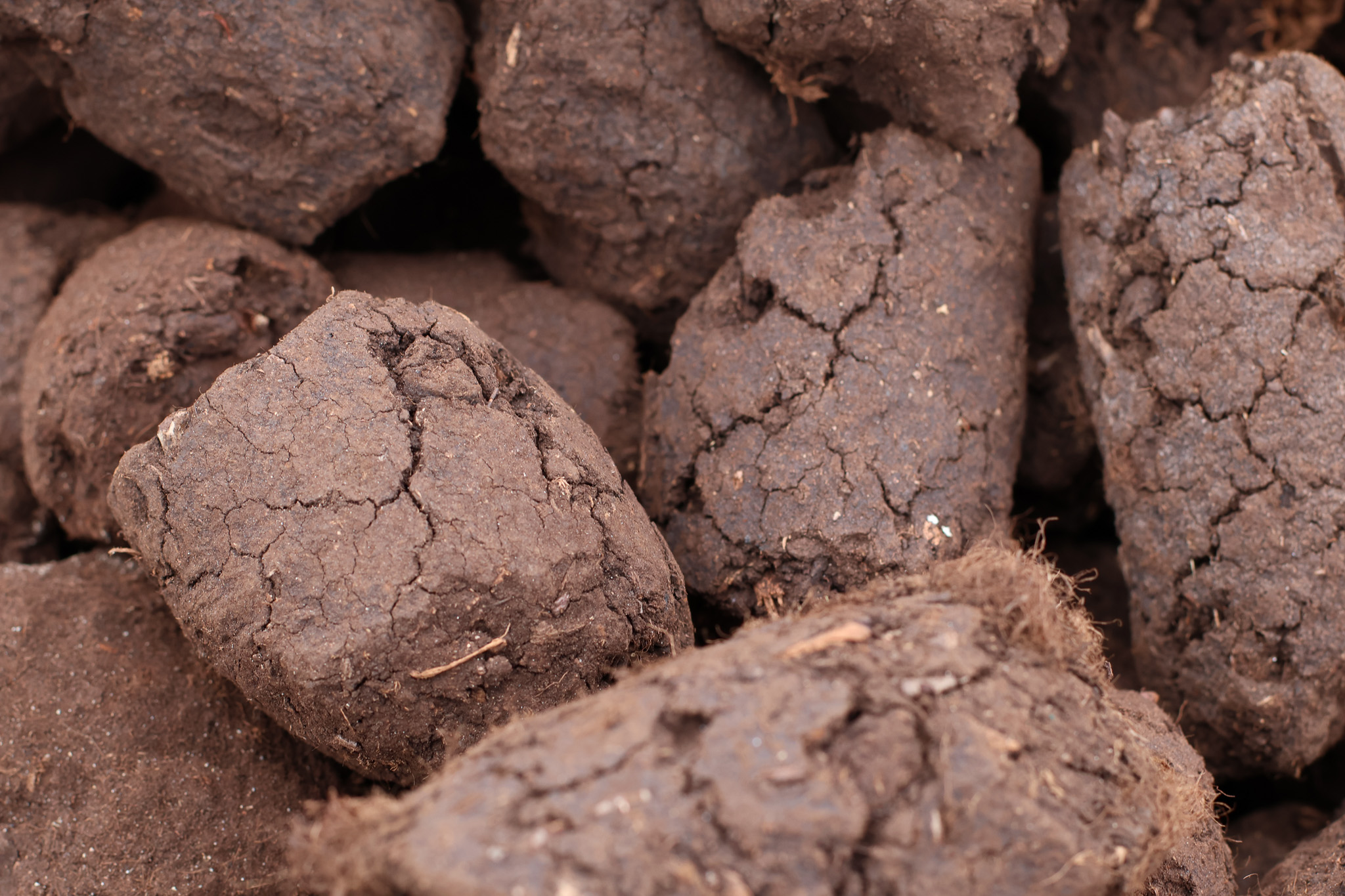
Additionally, our Tweed Valley Maltings is home to our Peated Malt Production Plant, which was significantly upgraded in 2024.
Here, finished, kilned malt is put over a peat kiln and the compounds released by that fire helps to give the malt a smoky aroma and flavour, which distillers then use in peated whiskies.
Most of the malt produced at of our Tweed Valley Maltings is then transported via bulk wagon load to distilleries across Scotland. All the wagons based out of our Tweed Valley Maltings use HVO, a sustainable fuel that reduces net CO2 emissions by up to 90%.
Our agricultural HQ
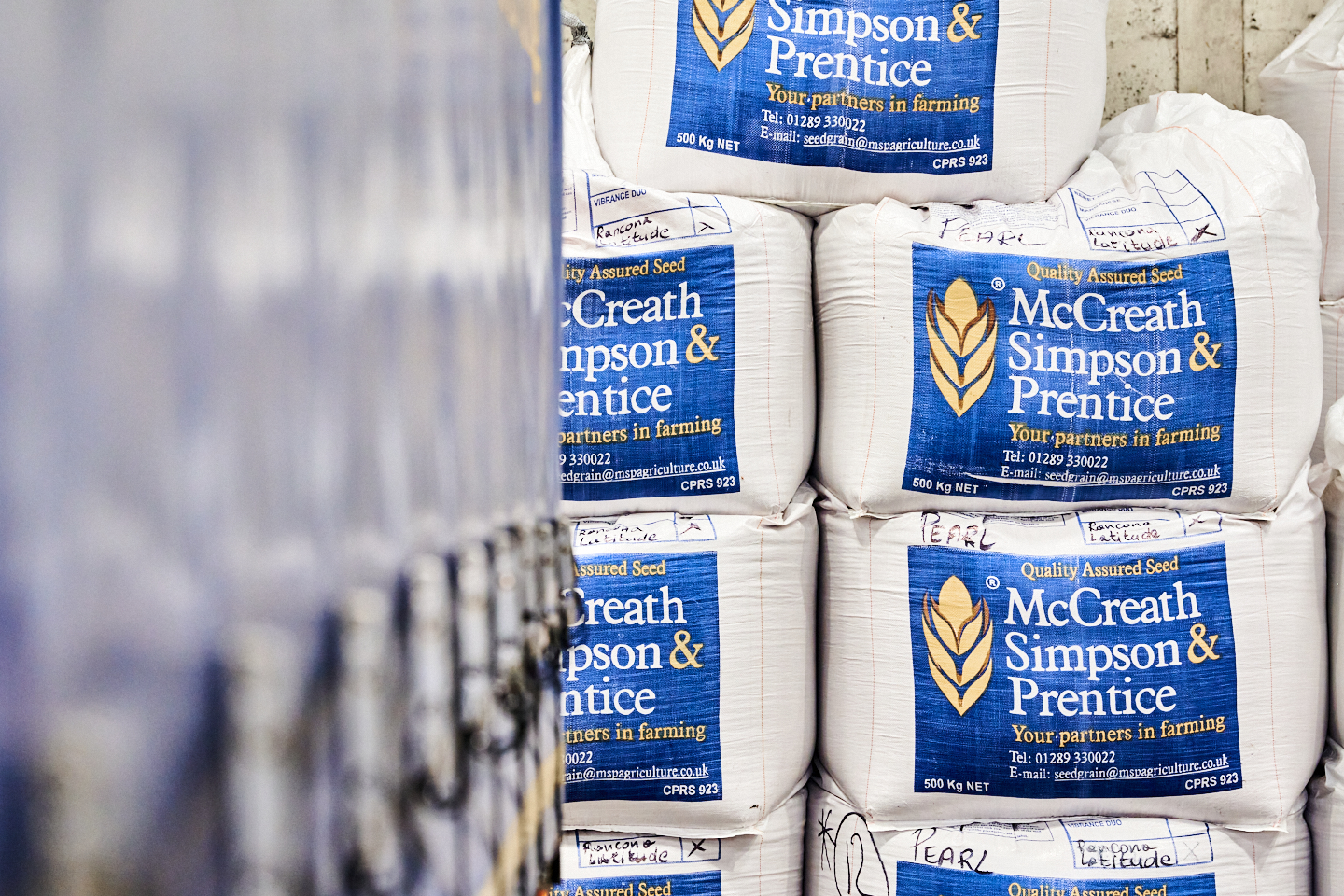
The site is also home to the headquarters of our agricultural merchanting division McCreath Simpson & Prentice (MSP).
MSP specialises in the supply of farm inputs. The site is home to a state-of-the-art cereal seed plant, fertiliser blending facility, grass and small seeds processing plant and an agrochemicals store.
The grain trading department is based at the maltings and is responsible for procuring our annual required malting tonnage each year, while many of our BASIS and FACTS qualified agronomists use the site as their hub for travelling to visit their farming customers, offering quality agronomic advice.
Many customers who purchase farm inputs from us are also contracted barley growers, allowing us to have direct contact with them and ensure traceability from field through to the maltings.
A large local employer
With more than 200 employees based out of our Tweed Valley Maltings, we’re proud to be one of the largest employers in Berwick-upon-Tweed and its surrounding area.
As a result, we have strong links with the local community and offer our support to a range of local clubs, events, charities and projects.
With our headquarters being in the town, as well as it being the home of MSP, we can also offer a wide range of career opportunities: from on-site roles involved with malting and MSP operations to office-based roles in our finance, malt sales and grain marketing departments.