
Kilning
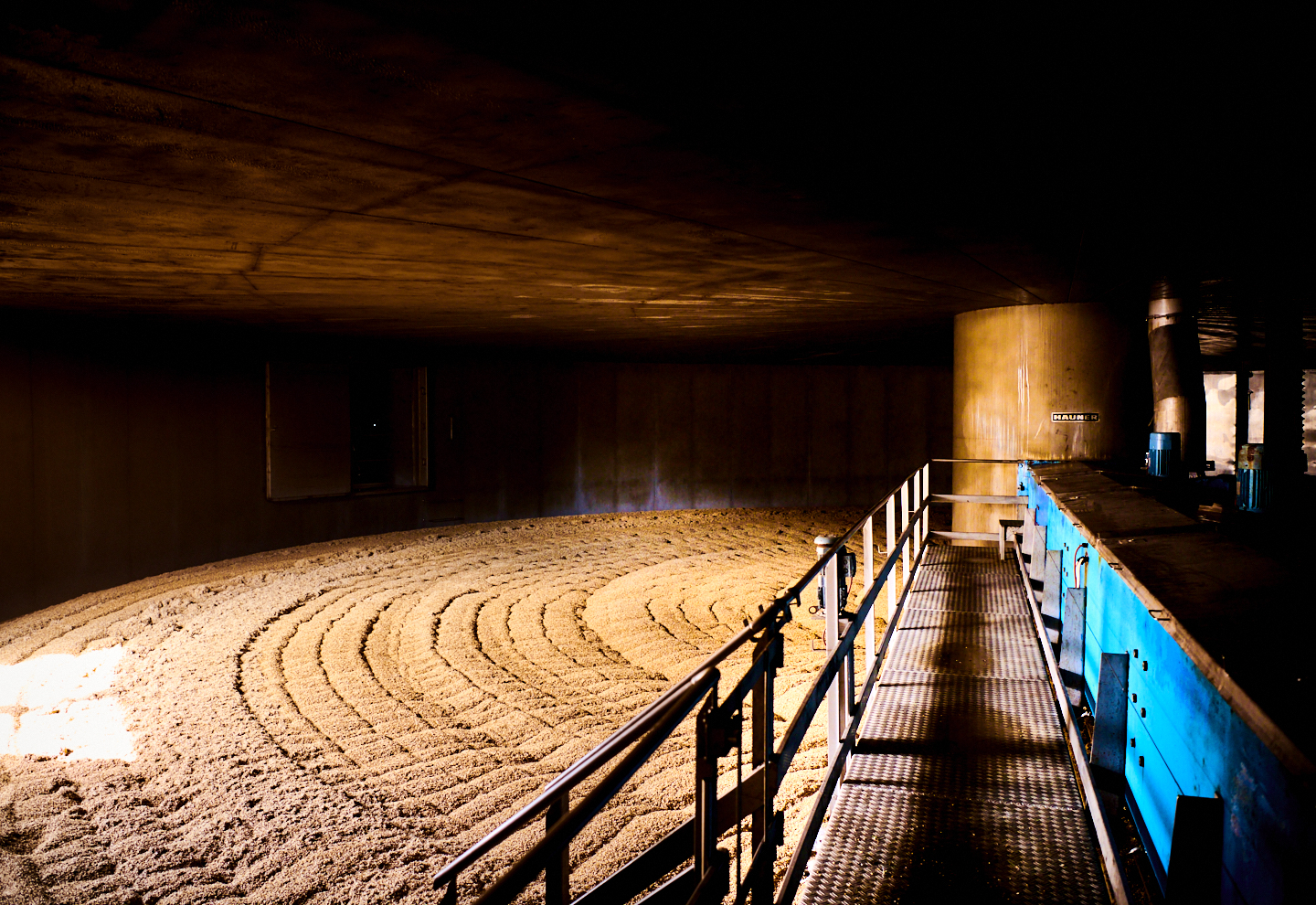
When the maltster judges that the germination process is complete, the grains are then dried in the same GKV – known as the kilning process.
What happens during kilning?
Kilning kills the embryo and stabilises the endosperm of the grains, but leaves viable enzymes that are used by brewers and distillers in the mashing process.
For the grains in the GVs or germinating drums, they are then transferred to our Roast House to be made into crystal malt.
In the GKV, the cool, humidifying air from the germination phase is switched over to warm air.
This halts the growth of the grains and removes most of the moisture from them – going from around 45% moisture content to 4% or lower in the finished malt.
The duration of the kilning process is anywhere from 20 to 24 hours. The temperature during this time and the duration of it determines, ultimately, what malt product is made, as this gives the variances in both flavour and colour.
To learn more about the production of our crystal and roasted malts, head to our Roasting page. We also produce Peated Malt for some of our distilling customers, with the peating process conducted after the kilning phase.


