
Moving to new crop malt: What brewers and distillers need to know
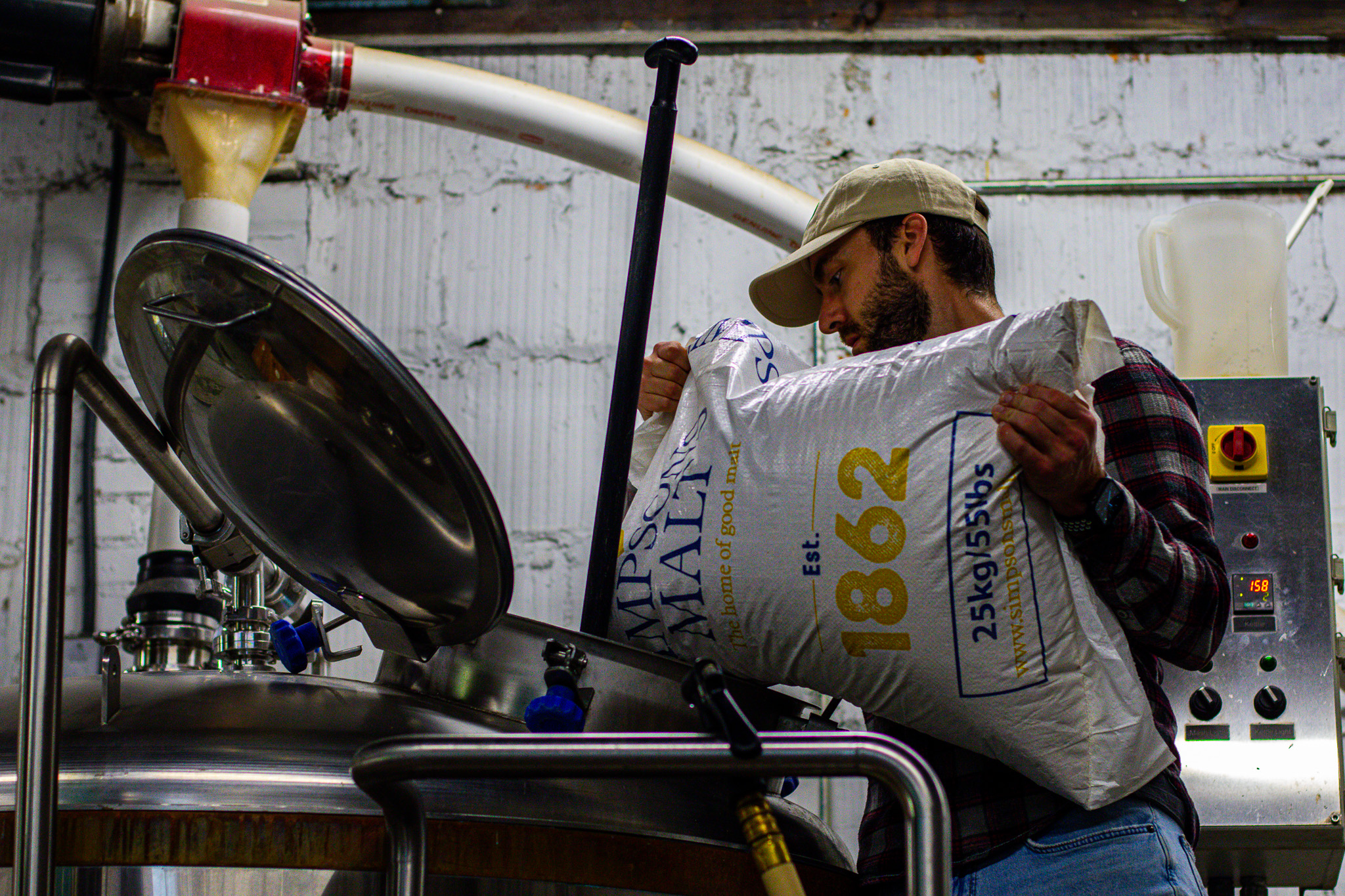
Every new crop year brings change.
Differences in growing conditions influence barley quality which can, in turn, affect malting behaviour. This can then have an impact on performance in the brewery or distillery.
Understanding what can change and why is essential for a smooth transition to new crop malt. This article from our Technical Manager, Dan Cooper, combines insight on new crop changeover with a detailed look at what you can expect this year.
Why new crop year matters
The characteristics of malting barley vary from season to season.
Rainfall, temperature and soil conditions all influence the protein content, starch composition, grain size and other key qualities of the grain.
These differences directly affect malting processes such as water uptake during the steeping process and how the barley endosperm modifies during germination.
It can also impact downstream performance, including extract, friability, fermentability and alcohol yield.
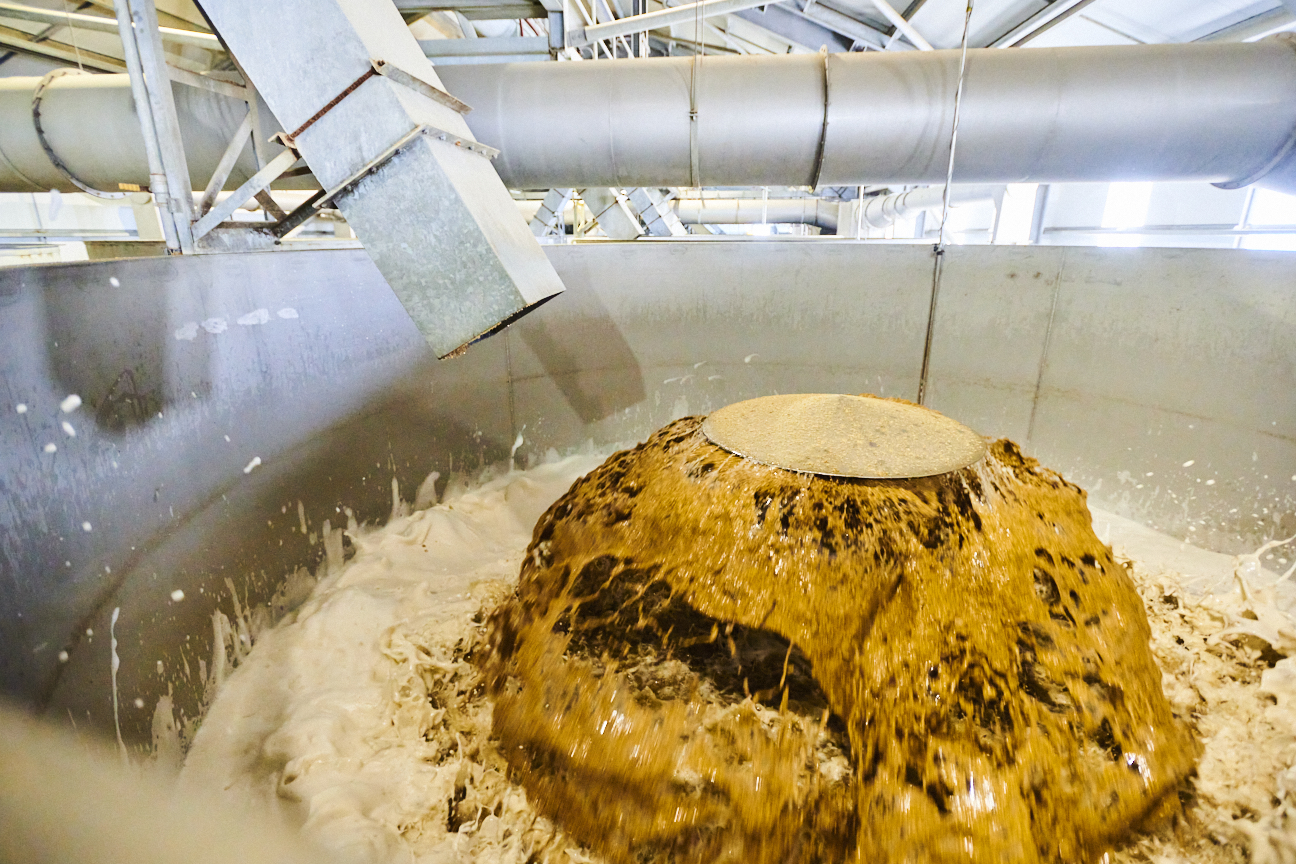
Grain quality and malting fundamentals
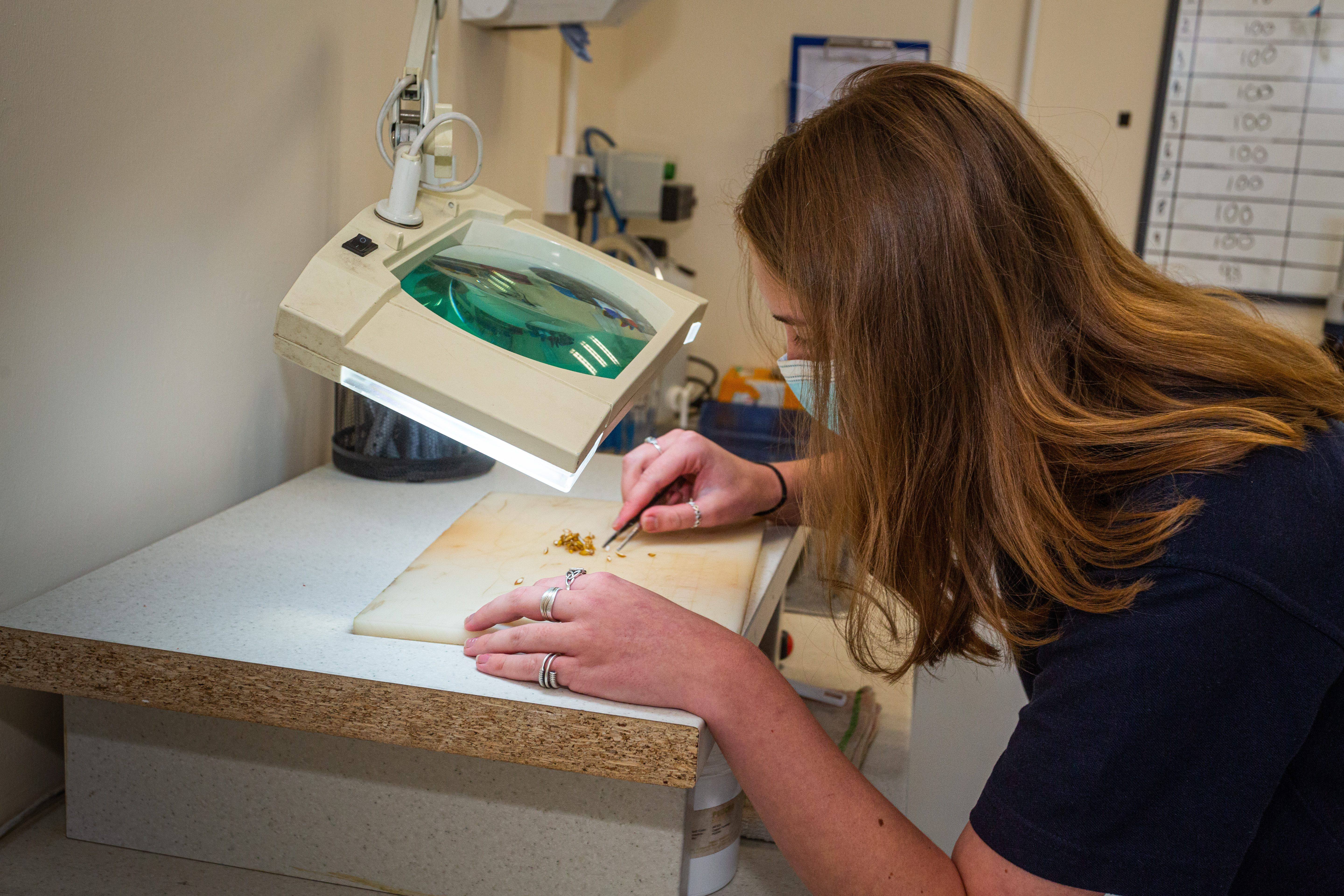
When barley is received at our malting sites, it goes through rigorous testing, while a range of quality attributes are assessed to anticipate how it will behave.
Total nitrogen (TN) levels are closely monitored because higher TN means that the starch content will be lower on a weight-for-weight basis. Lower starch will lead to lower fermentable sugars in the brewery or distillery, impacting fermentability and alcohol yields.
Grain size, screenings and the risk of skinning are also measured, as these influence how evenly water is absorbed during the steeping process.
Higher TN, smaller or uneven grains, or those with damaged husks change the way the grain takes up moisture during steeping. Smaller grains and grains with damaged husks can absorb water quickly and unevenly. Higher TN can result in uneven water distribution across the endosperm. If you combine these effects, there is the potential for uneven modification.
Such variability may lead to steely corns, lower friability and increased beta-glucans, which can affect processibility for both brewers and distillers.
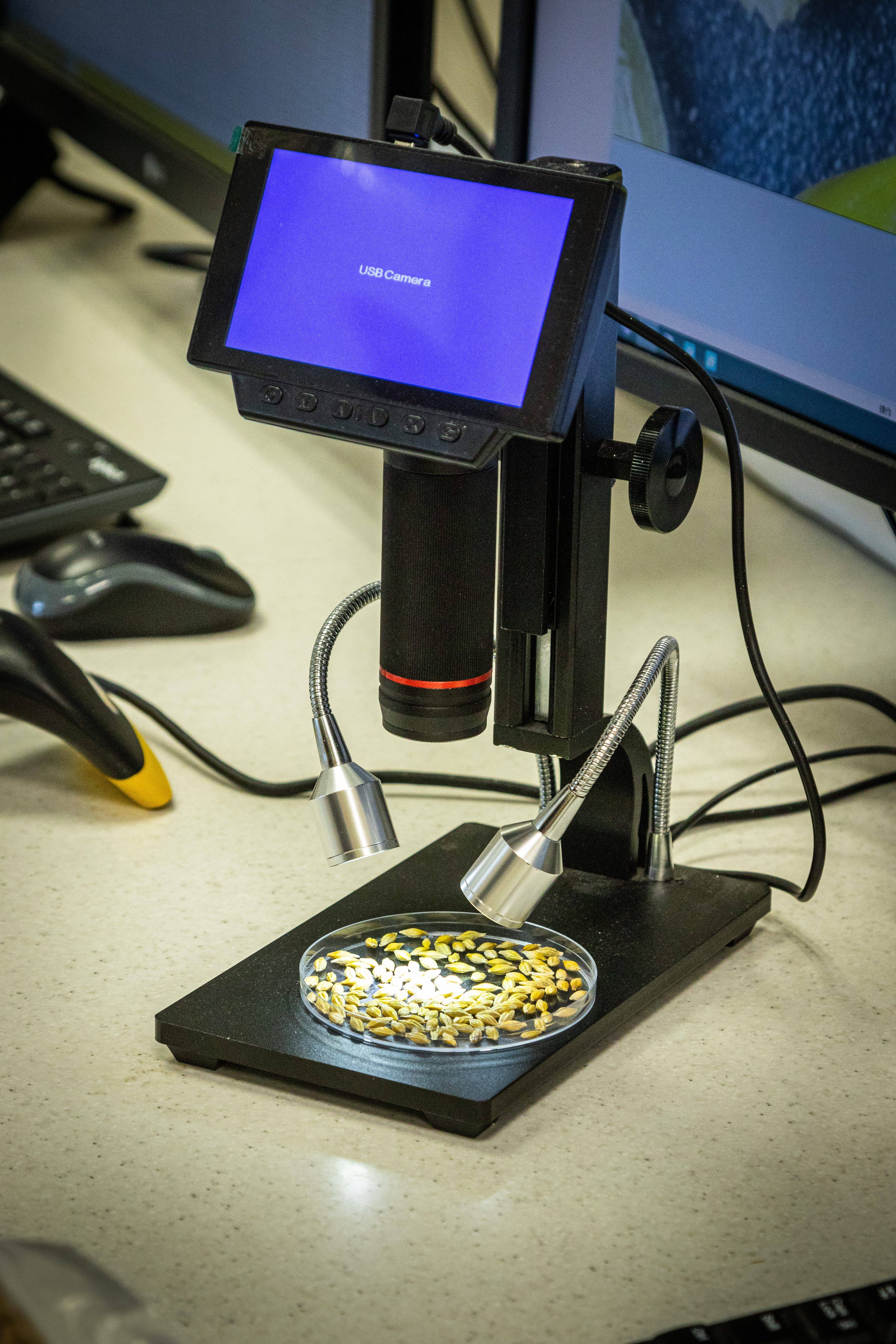
Before full-scale malting begins, grains are also tested using what are known as 4ml and 8ml tests.
The 4ml test indicates whether the barley has fully recovered from dormancy and is ready to malt, while the 8ml test identifies how sensitive the grain is to excess water and helps define the steeping programme. Grain that is highly water sensitive requires shorter wet periods during steeping to avoid overhydration, which could compromise later modification.
Starch gelatinisation and enzyme activity
Another critical variable is starch gelatinisation temperature – the point at which starch granules become accessible to enzymatic breakdown.
If starch does not gelatinise below approximately 64°C, beta-amylase activity is limited, which reduces the production of fermentable sugars during mashing. This can be particularly important for distillers where reduced fermentability directly impacts alcohol yield and for brewers using single-temperature infusion mashes.
Gelatinisation temperature is heavily influenced by growing conditions and has been on an upward trend in recent years (more to follow on that), making it an essential factor to consider with each new crop.
While maltsters can adjust their processes to manage some variability, many factors are defined by the growing season itself. This makes early testing and clear communication key to ensuring a smooth adaptation to new crop malt.
Comparing 2024 crop malt vs 2025 crop malt
Looking at the transition from the 2024 to the 2025 barley crop highlights how growing conditions can influence malt quality.
The 2024 season was unusually wet, producing barley with exceptionally low TN in some cases and generally consistent grain quality.
In contrast, 2025 was much drier overall. While early summer crops appeared promising, mid-season rainfall drove nitrogen uptake, resulting in higher TN across much of the crop.
Varietal and regional differences are also notable. Winter barley varieties – which is what we use to produce crystal and roasted malts in our Roast House – have been less affected than spring varieties. TN levels in the north are also generally lower than in the south.
Grain size has varied as well. Some northern spring barleys displayed higher screenings, suggesting smaller, more uneven grains, while other regions produced large, bold grains.
2025 crop observations
Micromalting results for 2025 indicate higher TN than 2024, which affects the starch-to-protein balance and can reduce extract potential.
A consequence of the higher TN is a slightly lower friability compared to 2024, although some of this can be off set by adjustments in the malting process.
Protein modification and soluble nitrogen ratios (SNRs) are currently on the lower side, though these are expected to improve as the crop matures and production processes are refined.
Starch gelatinisation temperatures have continued a long-term upward trend – higher than in 2024 and slightly higher in England than Scotland.
While this is not unusual, it has practical implications for both brewers and distillers. Non-gelatinised starch is less accessible to enzymes, which can reduce fermentability and careful consideration of enzyme activity is required to protect yield and quality.
Taken together, the headline differences for the 2025 crop compared with 2024 are clear: higher total nitrogen, slightly lower extract potential and reduced friability.
While these factors may affect performance, through doing our own rigorous testing, refining our malting processes and opening lines of communication like this, the hope is that the transition to new crop malt is a smooth one.
Get in touch
If you would like to discuss what the new crop may mean for your brewing or distilling operation, our Technical Director of UK Brewing Sales, Jamie Ramshaw, is available to provide guidance and support and he can be contacted via email: jamieramshaw@simpsonsmalt.co.uk.
Share