
Thinking of become a B Corp? We've got some advice...
Since becoming a Certified B Corporation in 2021, we’ve been contacted by several brewers and distillers who are curious about the process.
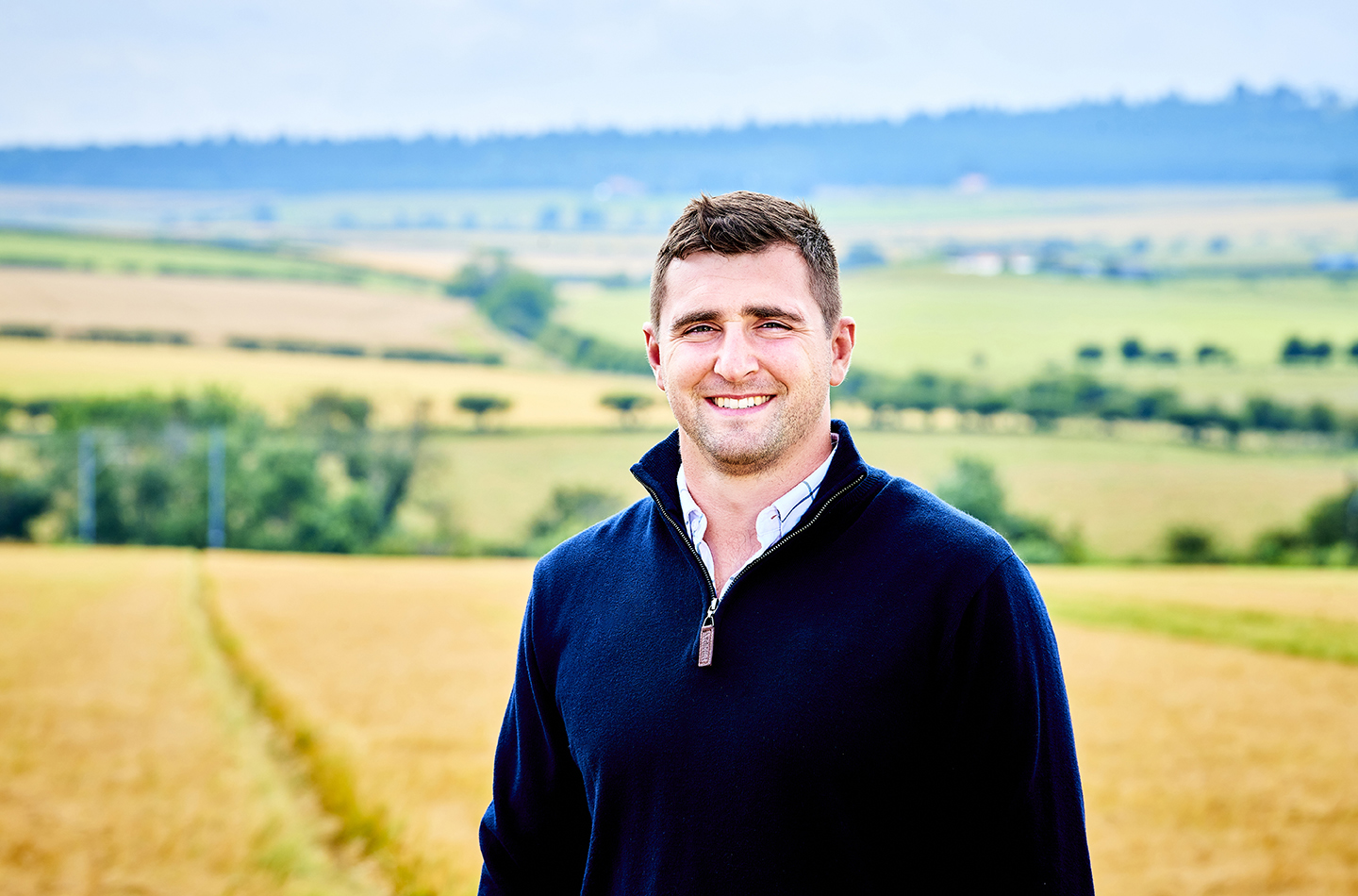
To answer some of the most common questions, we sat down with our Sustainability Manager, Ben Gothorp, to talk through our experience. Ben was heavily involved in our initial certification, as well as our recertification in 2025 – the latter of which you can read more about in our Sustainability Report HERE.
If a brewer or distiller is considering becoming a B Corp, what should they do first?
A key bit of advice would be to complete the B Impact Assessment before you commit to anything. Even if you don’t go on to certify straight away, the assessment is a really useful framework for understanding your business better.
That’s what we did. We thought we were in a decent position but when we worked through the assessment properly, we realised we were much further away. That was helpful though as it showed us very quickly where the gaps were.
How much resource does it actually take?
The resource required is substantial and certainly shouldn’t be underestimated. It’s not something that one person can manage on the side in addition to, say, a full-time role in the brewery. Every department is likely to be involved at some stage, too.
You also need your company’s senior leadership or executive team fully on board. There are structural commitments involved, like changing your Articles of Association and committing to annual reporting.
Without buy-in at the top, it’s very difficult to make it work. But in our case, we were fortunate in that it was something that Richard (Simpson, Chair) and his fellow directors were very passionate about pursuing.
Is it mainly about environmental performance?
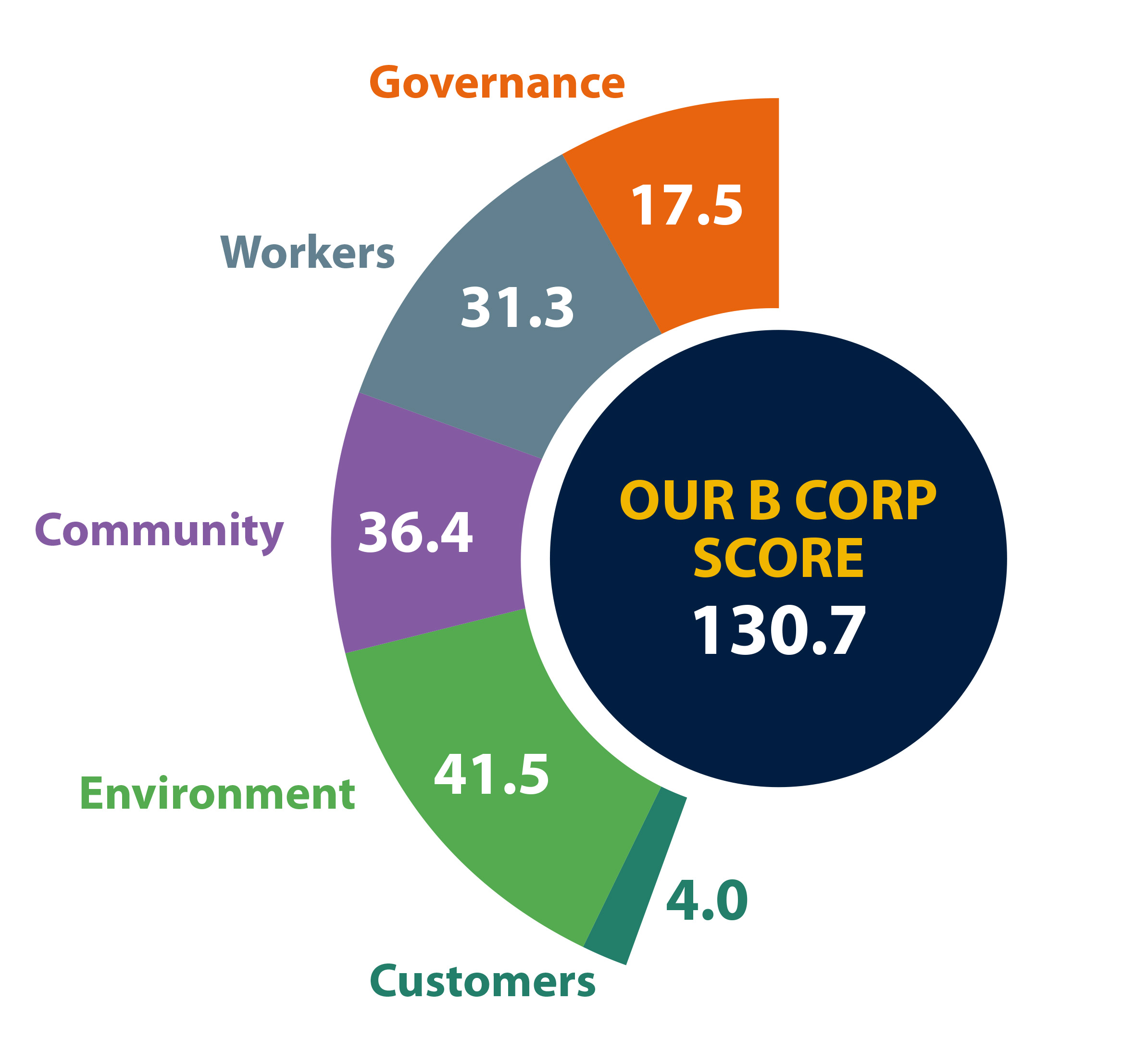
No, environment is just one of the five sections of the B Impact Assessment, so it’s all-encompassing. It looks at governance, how decisions are made, how people are paid, how you work with suppliers, your community engagement, as well as environmental impact.
It forces you to look at the business holistically. Some of those changes require investment, whether that’s in people, systems or plant. It’s not just an environmental accreditation.
Most of the people reading this are unlikely to have as many colleagues as we do – does that make it easier?
In some ways yes, in some ways no. If you’ve got fewer employees, sure the scale of the task is smaller.
However, smaller businesses typically have fewer internal resources and, in many cases, I imagine the colleague leading on B Corp certification would be wearing another cap, adding this to their existing workload.
That’s why I’ve always said on Teams calls to brewers and distillers asking us about B Corp – don’t underestimate the time commitment.
What happens after you’re certified?
Certification certainly isn’t the end of it. You have to recertify every three years, publish annual reporting and continue improving.
The standards also evolve and the framework has already been updated since our original certification, so we’re currently reviewing what that means ahead of our next recertification.
The positive side is that the scoring framework gives you direction. It highlights your biggest areas of impact and helps you prioritise both short-term improvements and longer-term goals, becoming part of how you run the business.
Would you say B Corp certification has been worth it?
For sure. It’s a lot of work and it would be wrong to pretend otherwise, but it has given us a structured framework for improvement and proper accountability.
If you’re looking at things from a commercial point of view, it’s probably not the right route. But if you’re looking to strengthen your governance, formalise good practice and build a more resilient business long-term, it can be very valuable.
What’s your advice to brewers or distillers who may be thinking about it?
Start with the B Impact Assessment and outline where you’re at.
Make sure leadership is genuinely committed, allocate proper resource and go into it understanding that it’s a strategic decision, not a side project.
If you approach it like that, it can be a really positive and rewarding process.


Share