
Our Supply Chain
“The art of making good malt out of bad barley has not yet been discovered” – Robert Free, Brewster, 1888
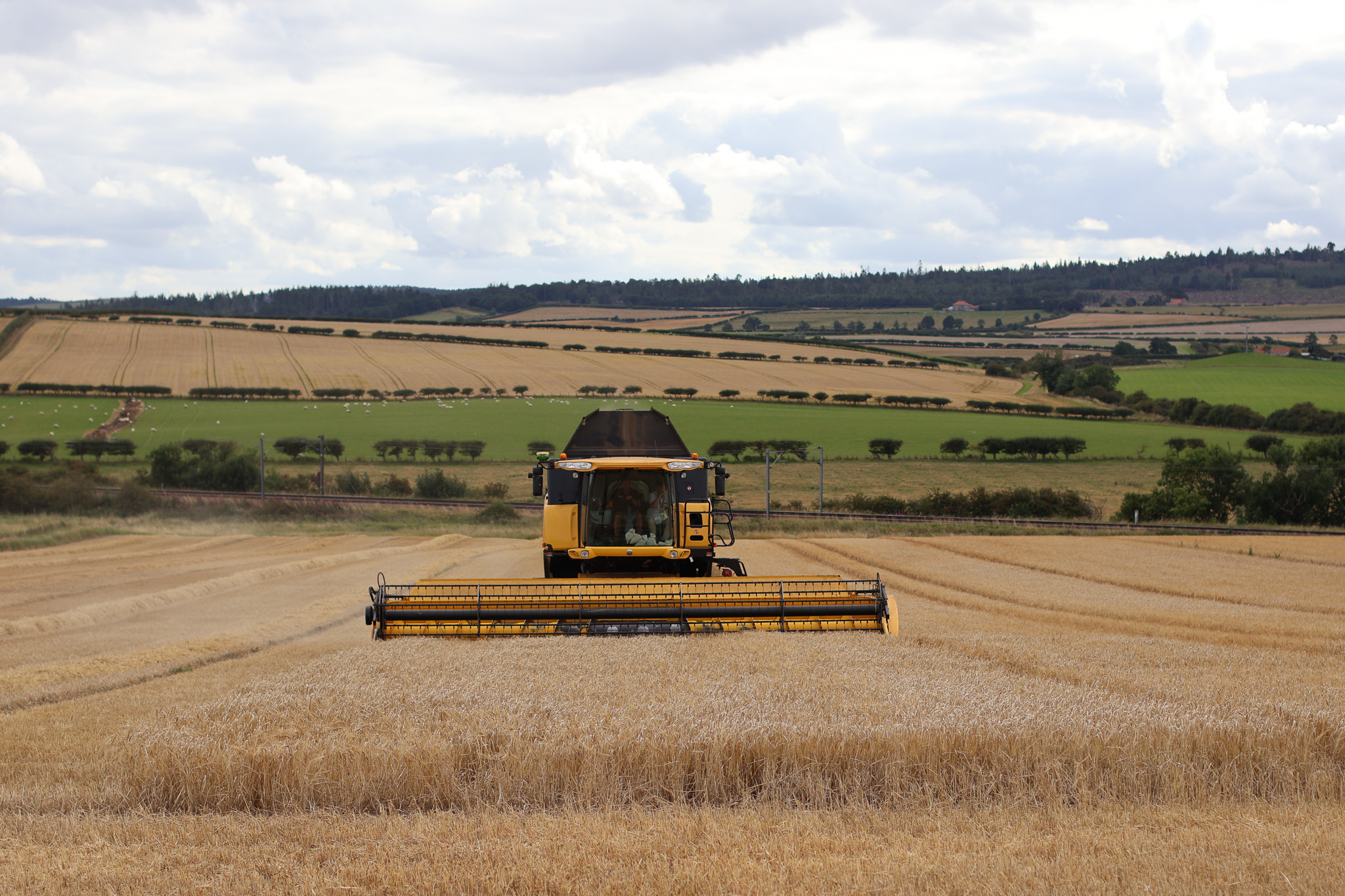
More than a century later, that sentiment still rings true to us today, with our belief that high-quality malt starts in the field with malting barley grown by dedicated farmers and handled with care at every stage.
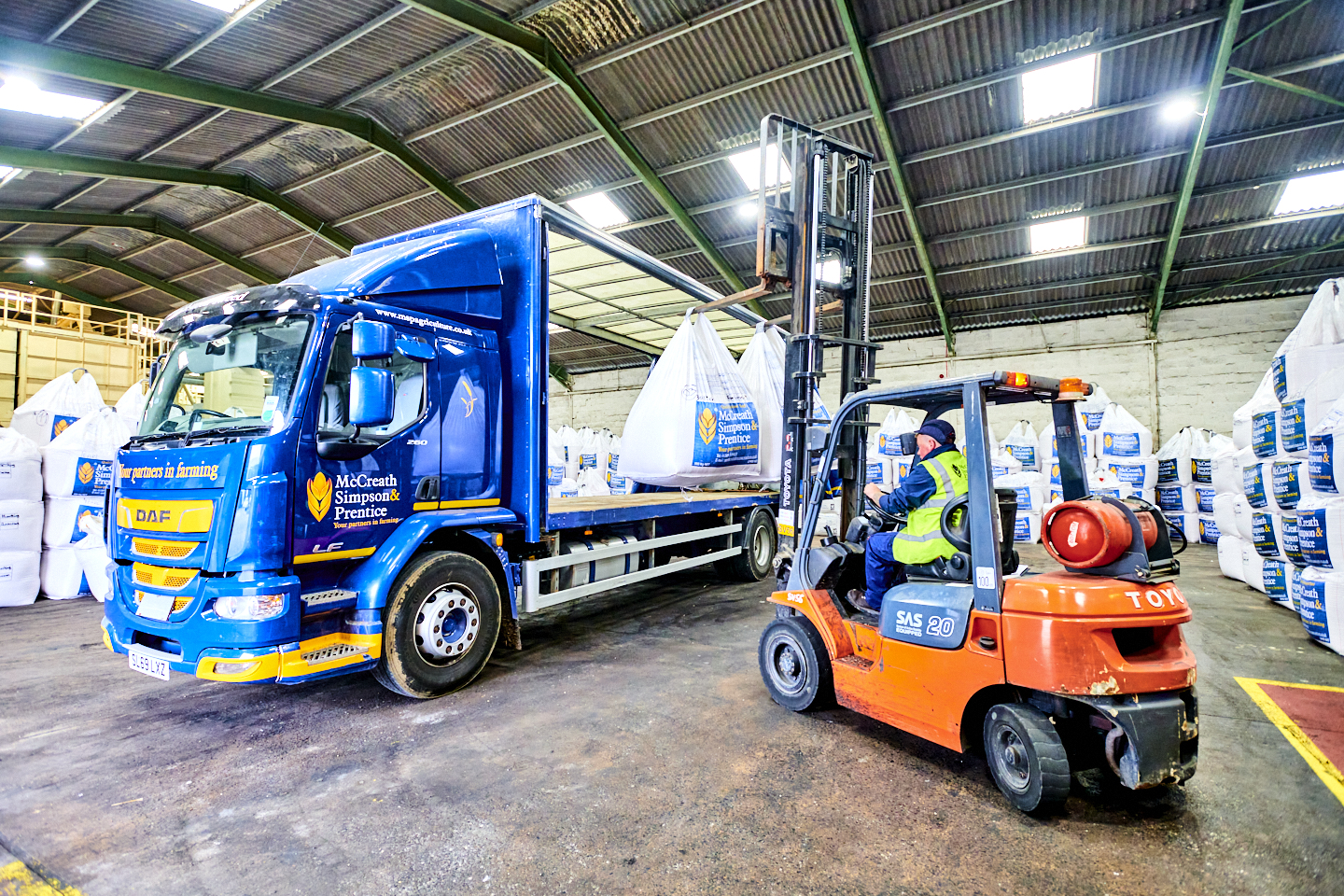
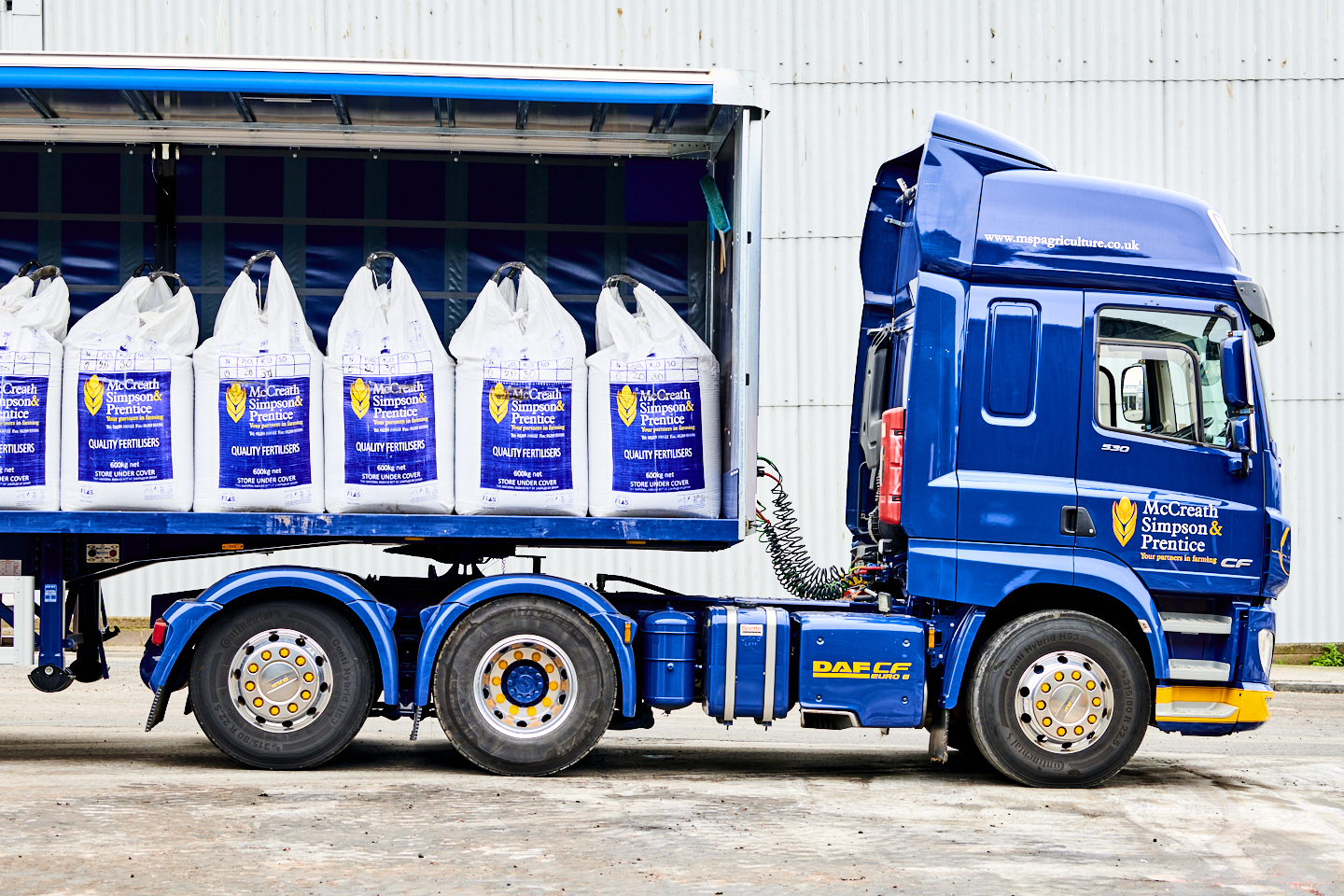
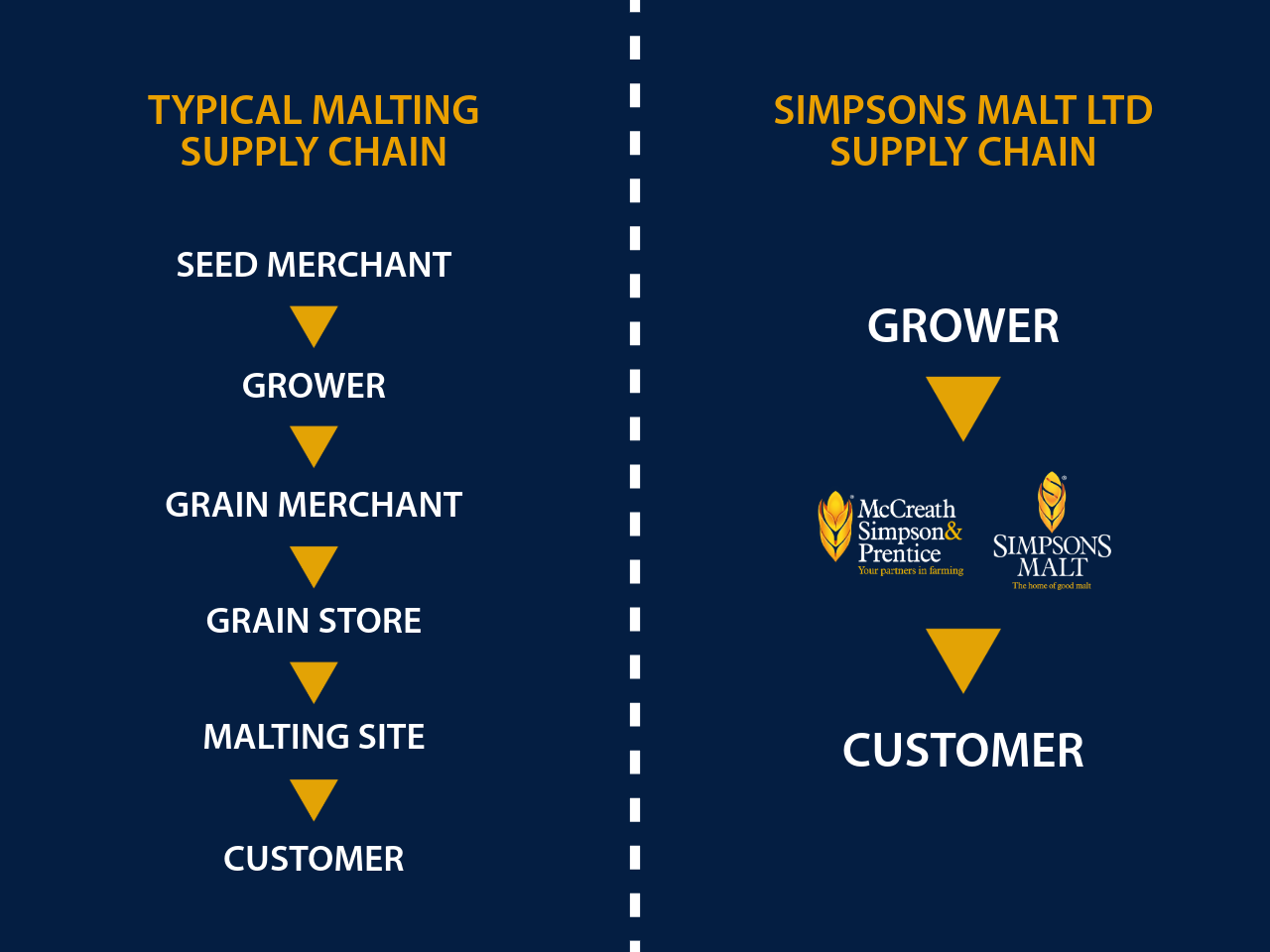
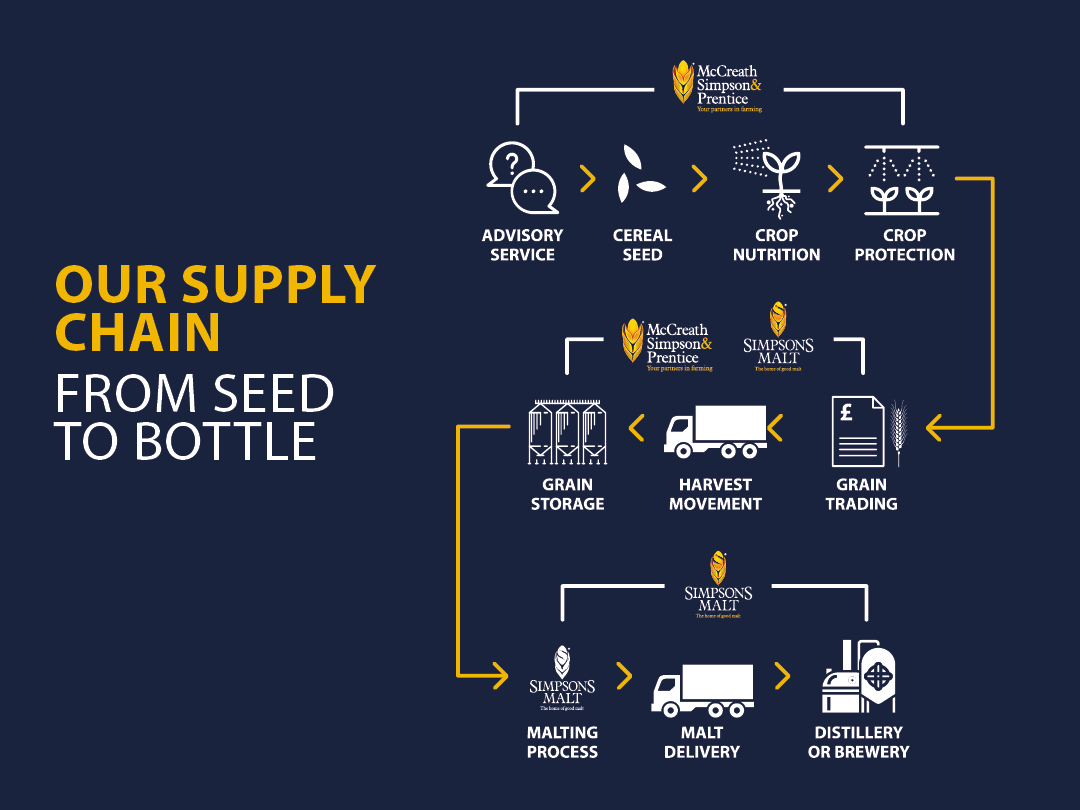
To support this, over the years we’ve developed a vertically integrated supply chain through our agricultural merchanting division, McCreath Simpson & Prentice (MSP), working directly with contracted growers to have close oversight of every step in the supply chain.
Maltster and merchant
We are the only malting company in the UK to have an agricultural merchanting division built within our business.
Founded by David McCreath OBE in 1980, McCreath Simpson & Prentice is one of the UK’s leading agricultural merchants supplying farmers from the Highlands of Scotland to North Yorkshire with a range of farm inputs, including cereal seed, livestock feed, grass and small seeds, agrochemicals and fertiliser.
Through MSP, we have a team of BASIS and FACTS qualified farm traders who provide an unrivalled quality of service, advice and support to farmers.
Our in-house grain trading department, meanwhile, works alongside both farmers and end user customers in the brewing and distilling industries to procure the company’s required malting tonnage each year.


What makes us different?
Our model gives us something few others can offer: control, traceability and consistency.
With MSP integrated within our business and an in-house grain storage infrastructure totalling more than 450,000 tonnes, it means we don’t rely on third-party grain merchants.
In fact, more than 95% of the raw materials that we use for malt production each year is contracted directly with growers – many of whom we’ve dealt with for decades. Haulage is arranged by our team post-harvest, with the aim of swiftly collecting the barley from farm and delivering it straight to one of our grain storage sites.
We believe there is a direct connection between the close links we have with our supply chain and the delivery of reliable, high-quality malts.
It also allows us to strengthen supply chain relationships and work with growers to build a more accurate picture of carbon emissions on-farm.

Richard Simpson, Chair
Approved varieties only
We only use barley varieties that have been approved historically or are currently approved for malting by Maltsters Association of Great Britain’s (MAGB) Malting Barley Committee (MBC) – the UK industry body that evaluates and recommends varieties for brewing and distilling.
Our Cereal Seed Director Laura Beaty sits on the MBC, ensuring the company contributes to the evaluation and approval of new malting barley varieties and that industry standards continue to reflect the needs of both growers and end users.
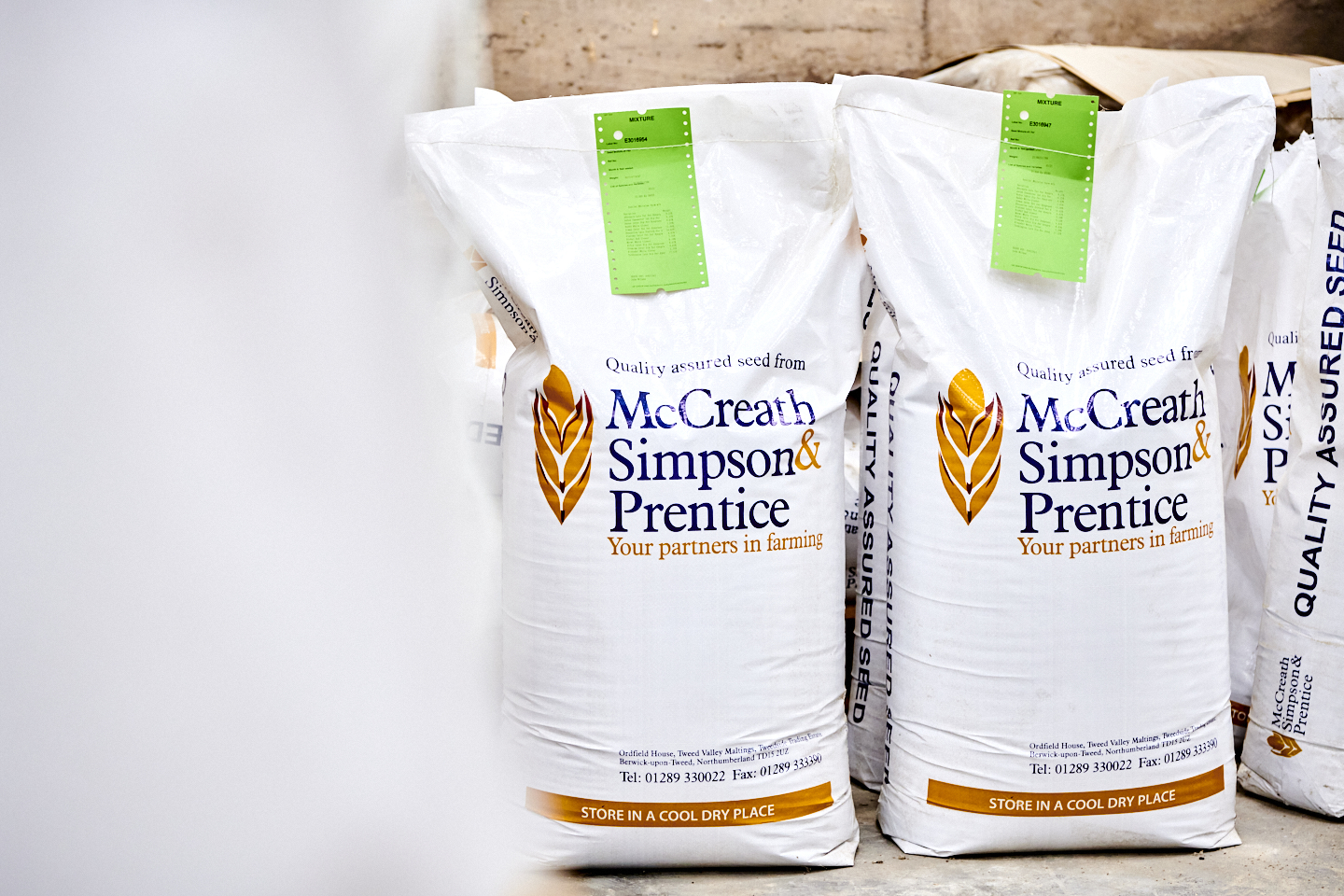
This close connection to the breeding and approval process is supported by our vertically integrated seed operation. Each year, we grow seed crops on contract with dedicated growers, which are analysed in-field before harvest and again post-harvest to ensure purity and quality.
The seed is then processed at our seed plant and supplied to our contracted malting barley growers, meaning that every crop begins with high-quality, fully traceable seed produced to our exacting standards.
Barmy about barley
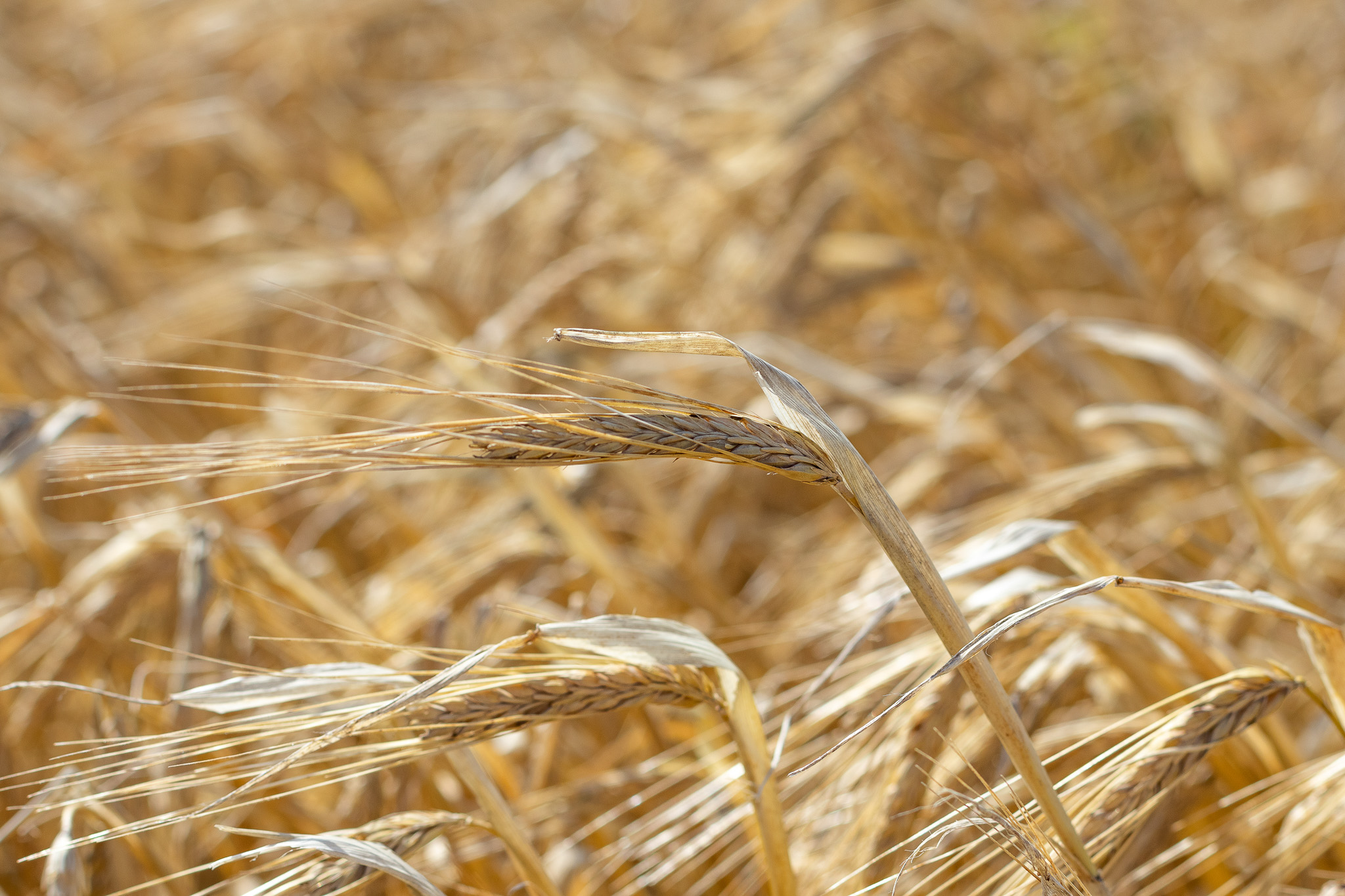
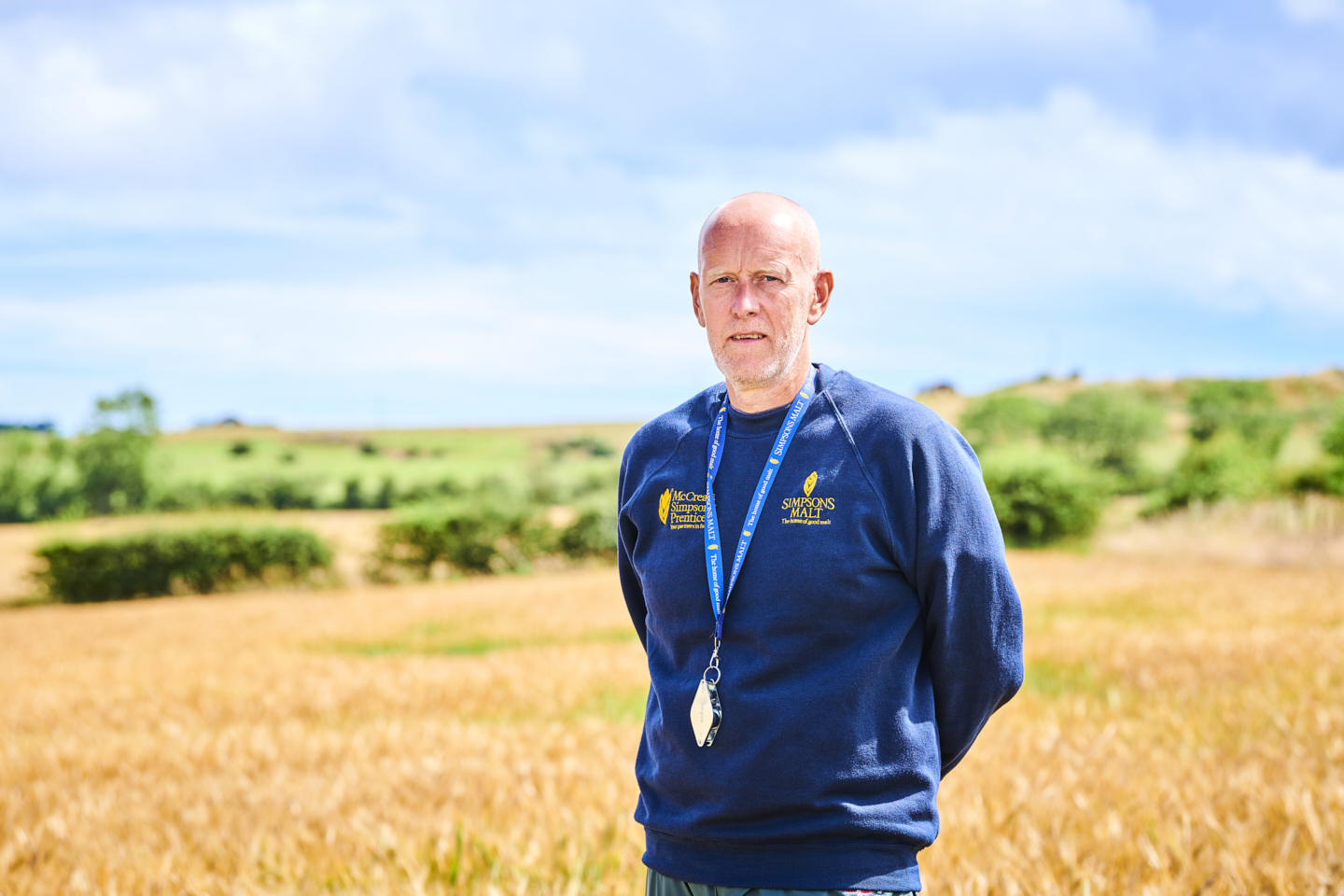
Barley is the foundation of what we do and we’ve always taken a keen interest in our primary raw material for malt production.
In fact, back in the 1980s, our former chairman and fourth-generation maltster Simon Simpson OBE bought a farm near Eyemouth, Scottish Borders, in part to help ensure the continued growth of Golden Promise – a renowned heritage variety that is still used by brewers today.
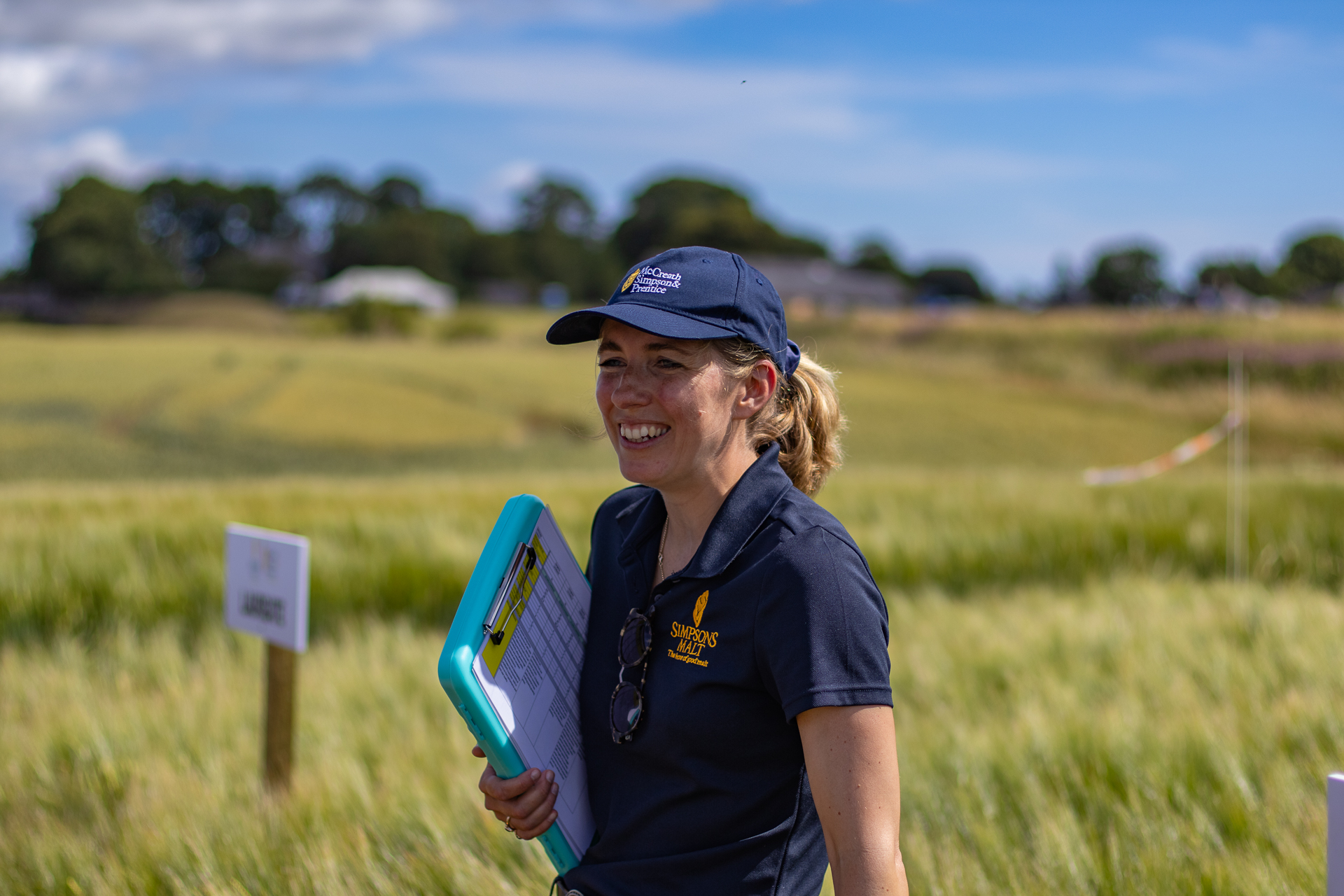
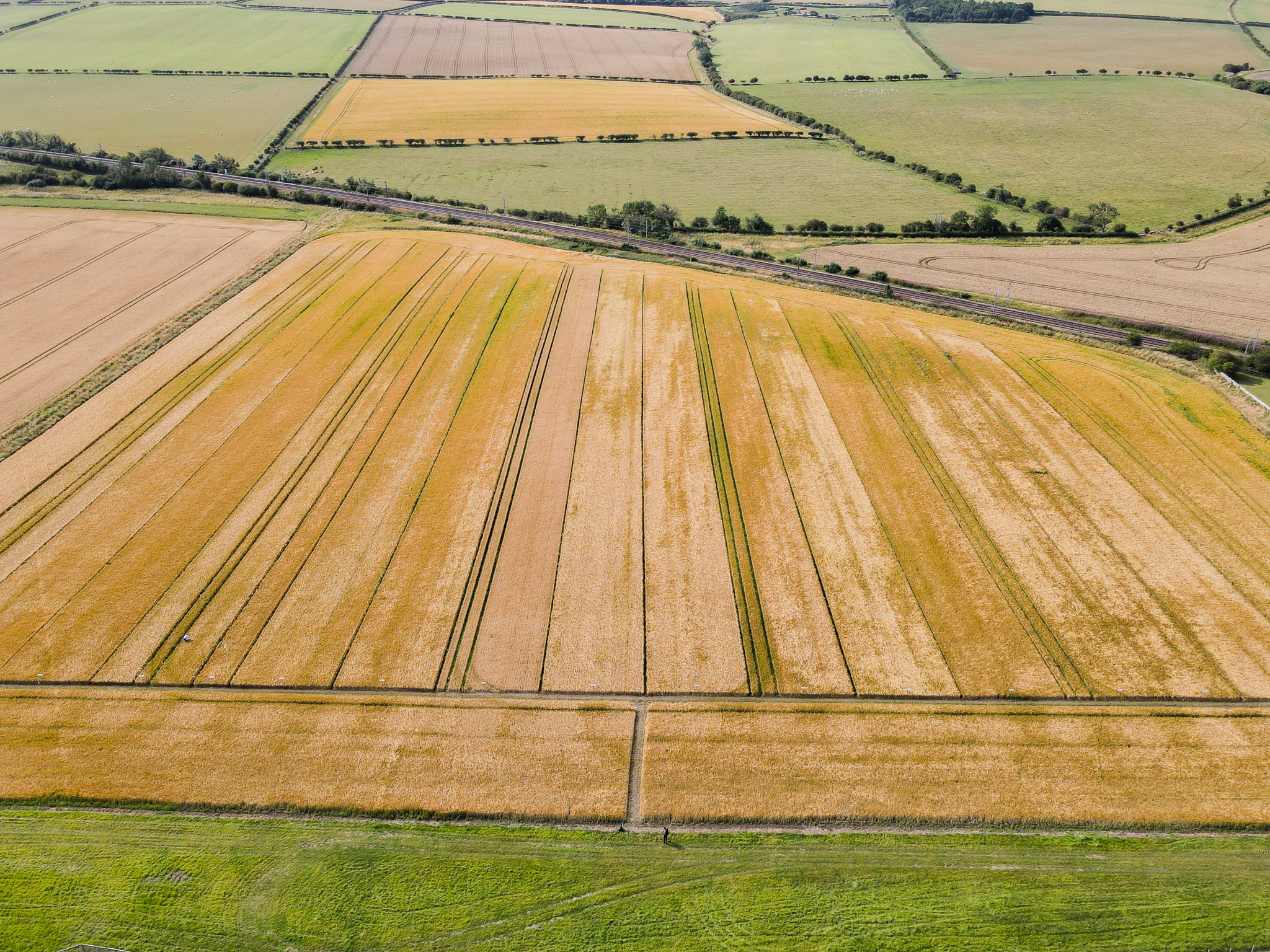
We run three spring malting barley trials sites across the UK at Portsoy, Laurencekirk and Beal, while we also operate our own farm near Bamburgh, Northumberland. These sites help us evaluate new varieties, trial inputs and better understand the challenges growers face each season.
This on-the-ground insight allows the MSP team to offer informed, relevant advice to our contracted growers, helping them to produce the best possible crops each season.
Case studies


Carbon neutral goals
One of our headline sustainability goals is to achieve carbon neutral malting barley and distilling wheat production by 2030.
This feat simply isn’t possible without collaborating and engaging with key industry suppliers and growers. As a result, over the past few years we’ve been working with the likes of Yara UK, OCI Global and BASF Agricultural Solutions to trial and scale innovative practices that help reduce on-farm emissions.
This includes using low-carbon fertilisers, sowing cover crops and working with growers to improve their nutrient use efficiency, with data recorded in BASF’s xarvio Field Manager platform.
Through these initiatives and with our growers achieving Farm Sustainability Assessment (FSA) Gold verification, we’re gaining deeper insight into Scope 3 emissions as we seek to build a more resilient and sustainable supply chain.