
Variety Trials Sites
Each year, we run an extensive programme of spring barley and distilling wheat variety trials, working closely with plant breeders, farming partners and end users.
These trials play a crucial role in helping us evaluate the agronomic and distilling performance of new and existing varieties. In turn, we believe this will help us to create a more resilient and sustainable supply chain.
What began close to our headquarters at Beal Farm in Northumberland and Mountfair Farm in the Scottish Borders has expanded in line with the business itself, with additional trials sites now near our grain stores at Stracathro in Angus and Keith in Morayshire.
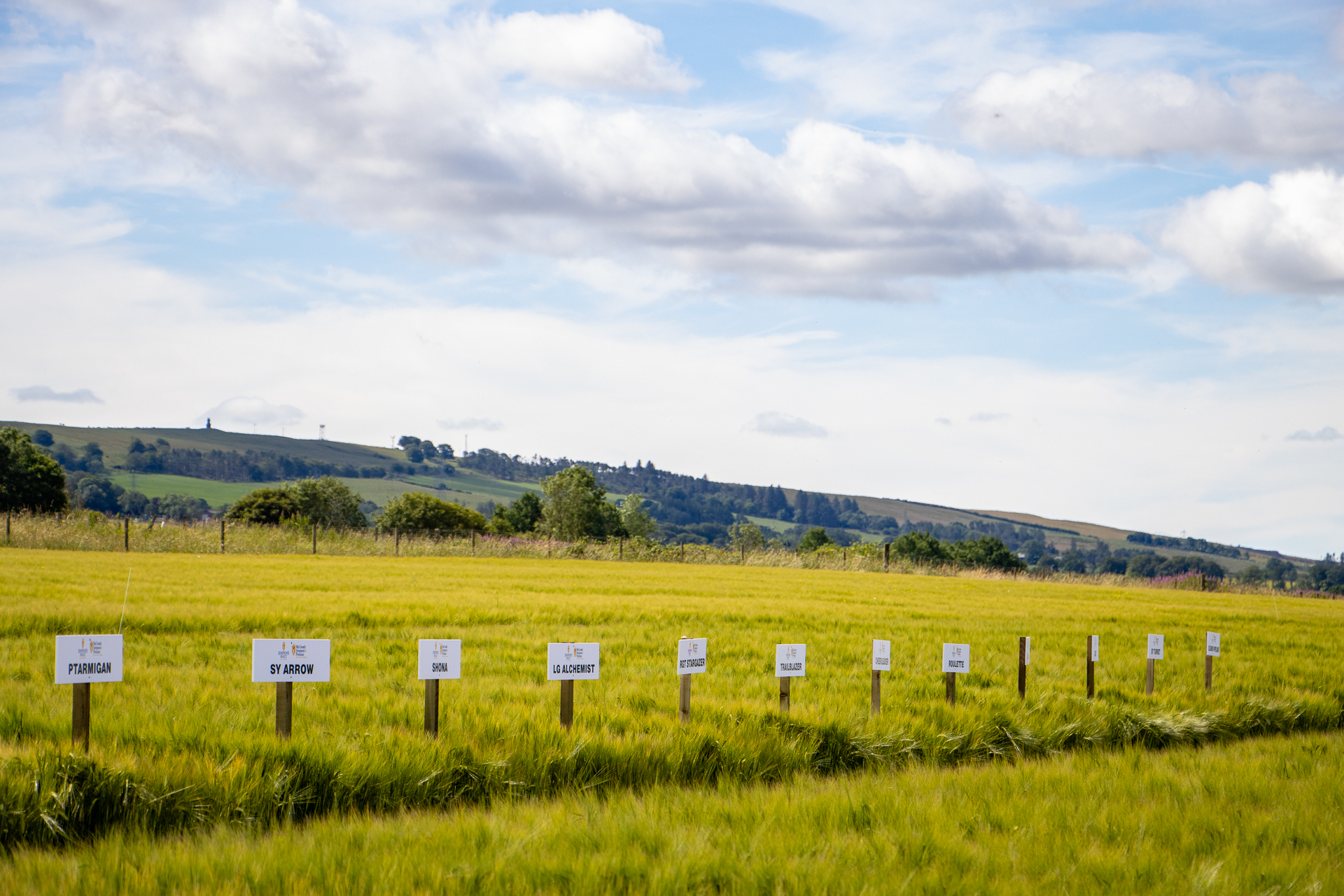
By gathering data across different geographies, we can identify how varieties perform regionally – from disease resistance to yield potential – helping us and our growers make more informed decisions.
Samples of the barley varieties from our trials are later micromalted in our on-site lab to assess their distilling characteristics well ahead of official data being released, giving us a technical and commercial edge.
Samples of the wheat varieties are also assessed for distilling performance, looking specifically into spirit yield and processability.
These trials also allow us to showcase new seed treatments and apply sustainable farming practices, such as reduced fertiliser use and cover cropping.
By conducting trials ourselves – rather than relying solely on industry data – we are able to reduce risk, improve our crop recommendations and explore new routes to lowering
environmental impact, both on-farm and through the supply chain.
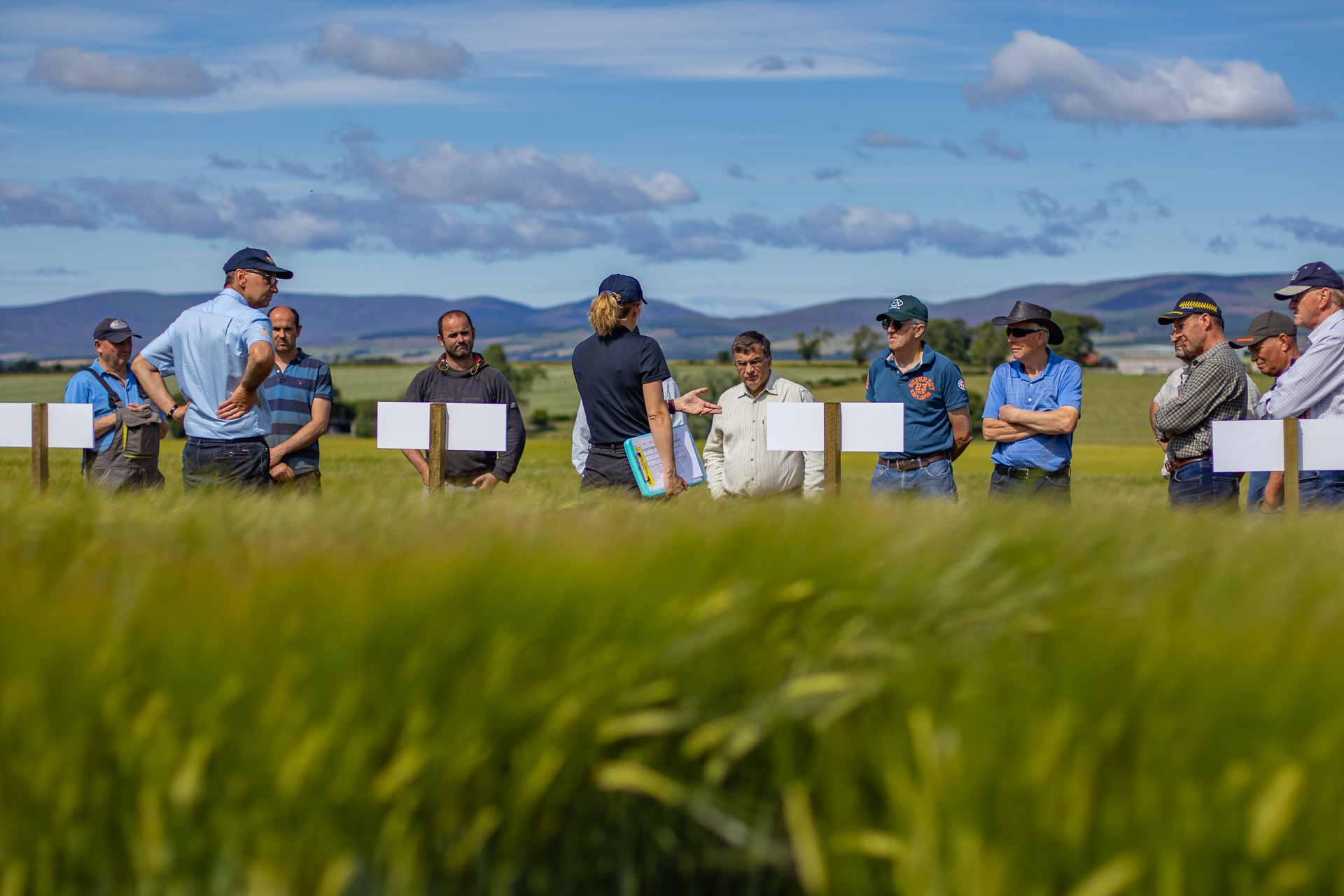
Beyond the technical and environmental benefits, the trials sites are also a platform for valuable supply chain engagement.
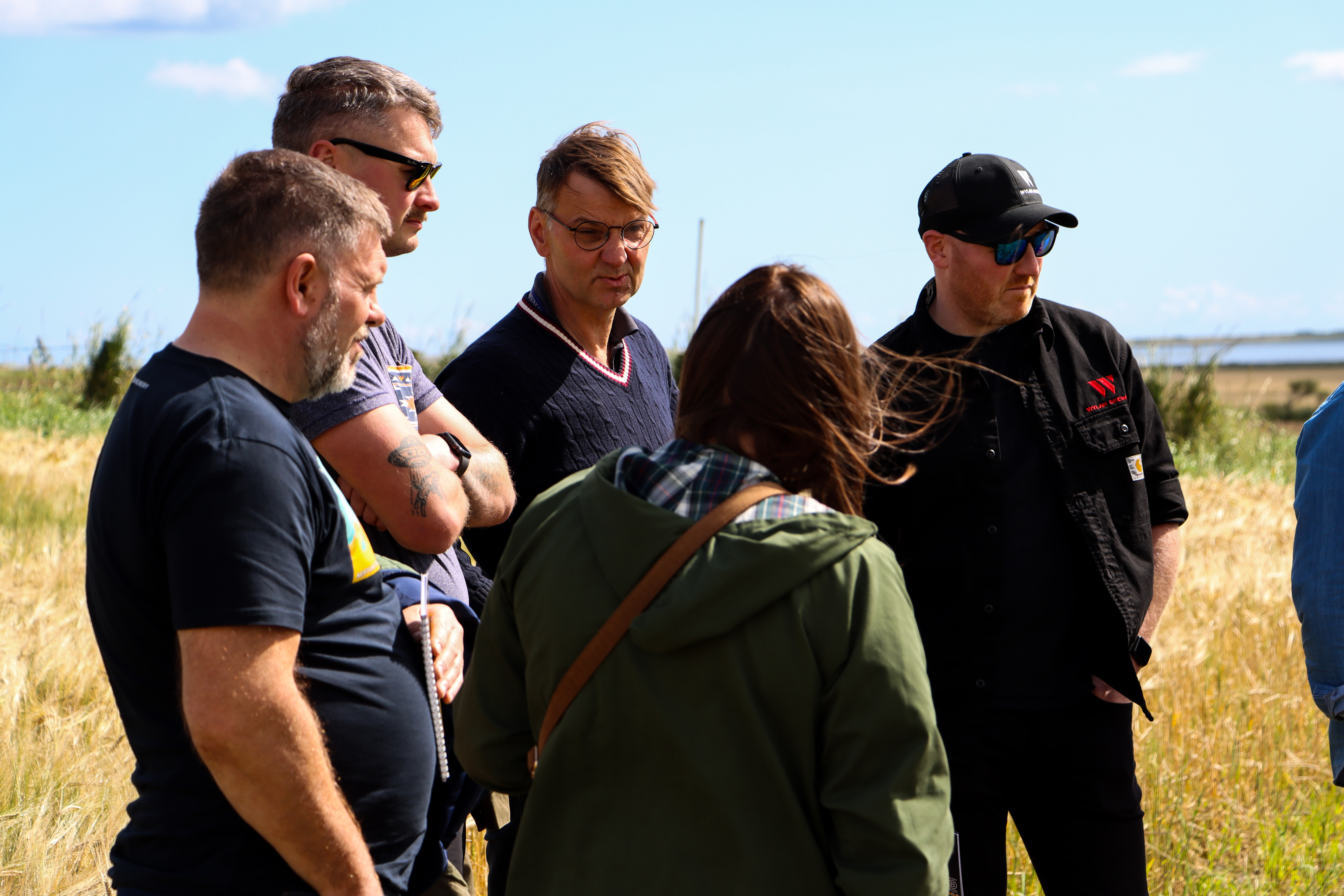
We regularly host grower and end user visits – giving the former an insight into new seed treatments on the market and what varieties they could be sowing in the years ahead, while helping the latter better understand the challenges behind growing the malting barley and distilling wheat that they eventually receive from us.
This shared insight supports stronger, longer-term partnerships and reflects our belief that collaboration is key to progress.