
2026 Barley Harvest: Early harvest, mixed quality and market uncertainty
If recent seasons have taught us anything, it’s that no two harvests are the same.
Following an exceptionally early harvest in 2025, this year has rewritten the record books, becoming the earliest UK barley harvest since AHDB records began in 2006. Autumn-drilled crops established well, but contrasting weather conditions across the UK throughout the season led to significant regional differences in both yield and quality.
In this article, members of our in-house grain trading department – Rob Austin and Sarah Hynes – discuss the main factors that have shaped this year’s harvest across the UK, with comparisons being drawn to the infamous harvest of 1976.
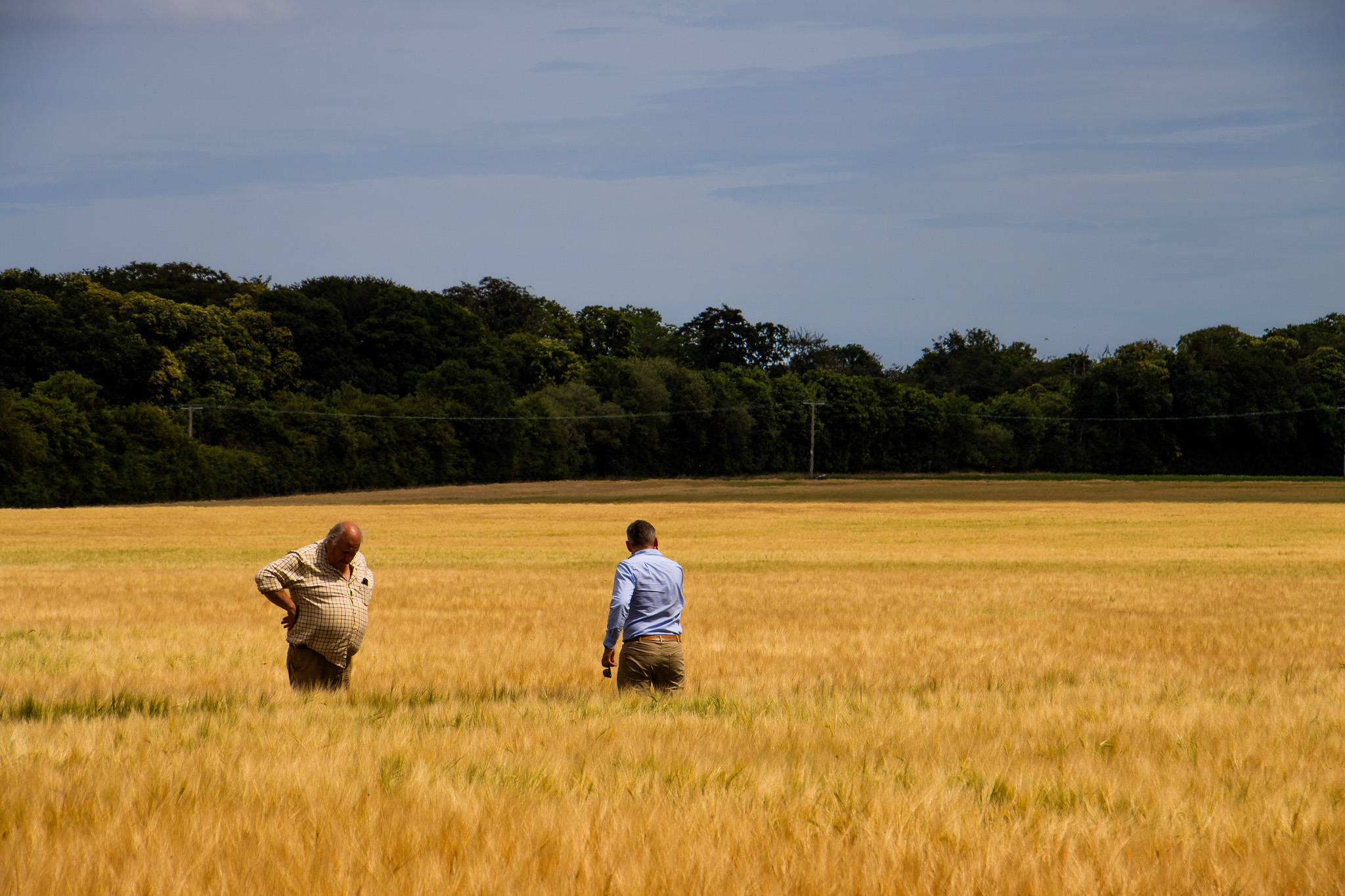
A tale of two seasons
As is typically the case, the weather played a defining role in shaping crop performance throughout the season.
Autumn began in near-perfect conditions, allowing growers to establish winter crops in good seedbeds and giving them a strong start through the early stages of development. However, the weather pattern changed dramatically in January, with persistent rainfall affecting many parts of the UK throughout much of the following two months.
According to Met Office data, the UK experienced a wetter-than-average winter, receiving 13% more rainfall than the long-term seasonal average. This was followed by the UK’s fourth sunniest spring since records began in 1910.
As spring progressed into summer, conditions became increasingly challenging in England. A prolonged spell of hot, dry weather, including five heatwaves, contributed to the warmest summer on record in England and the third warmest across the UK.
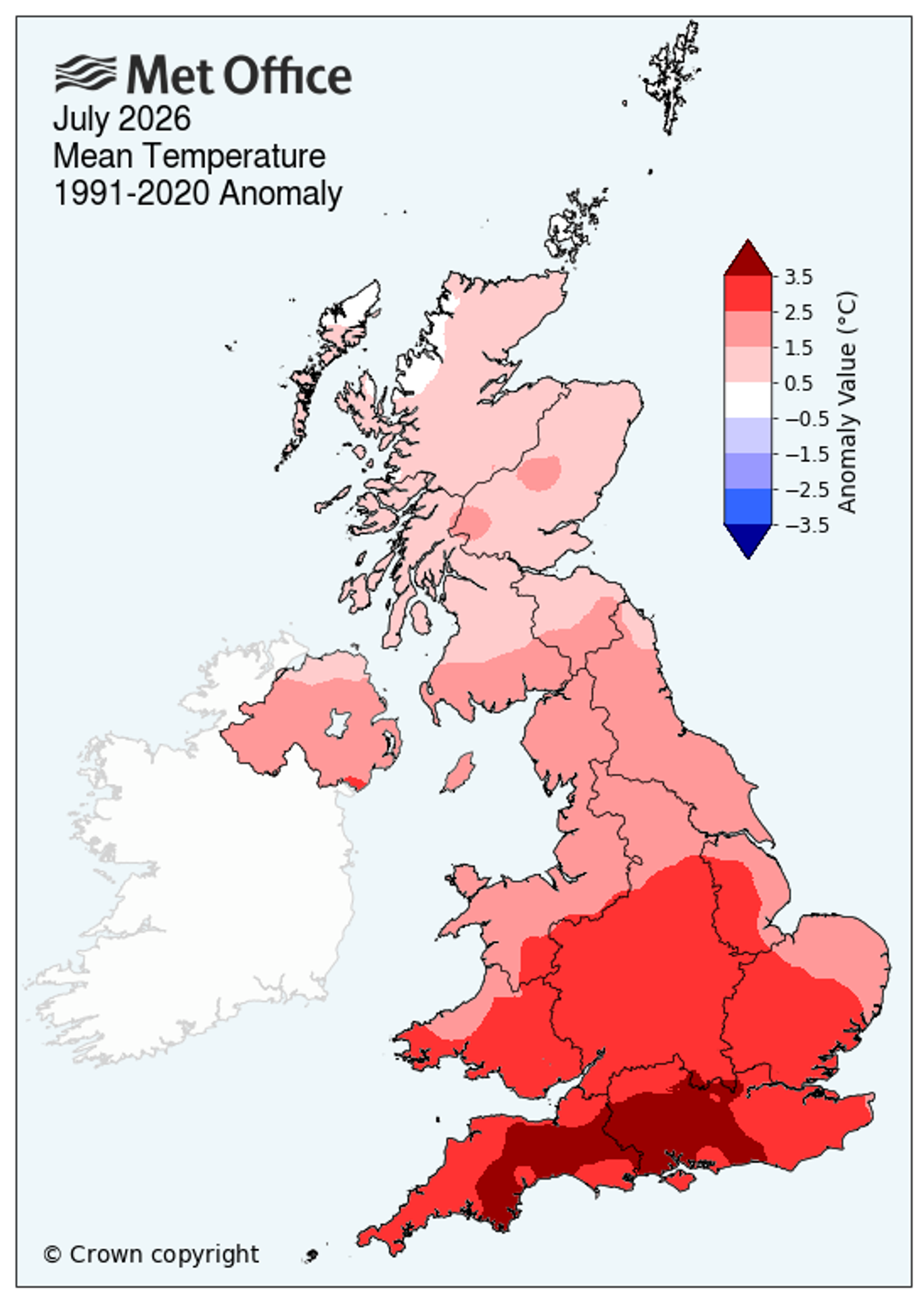
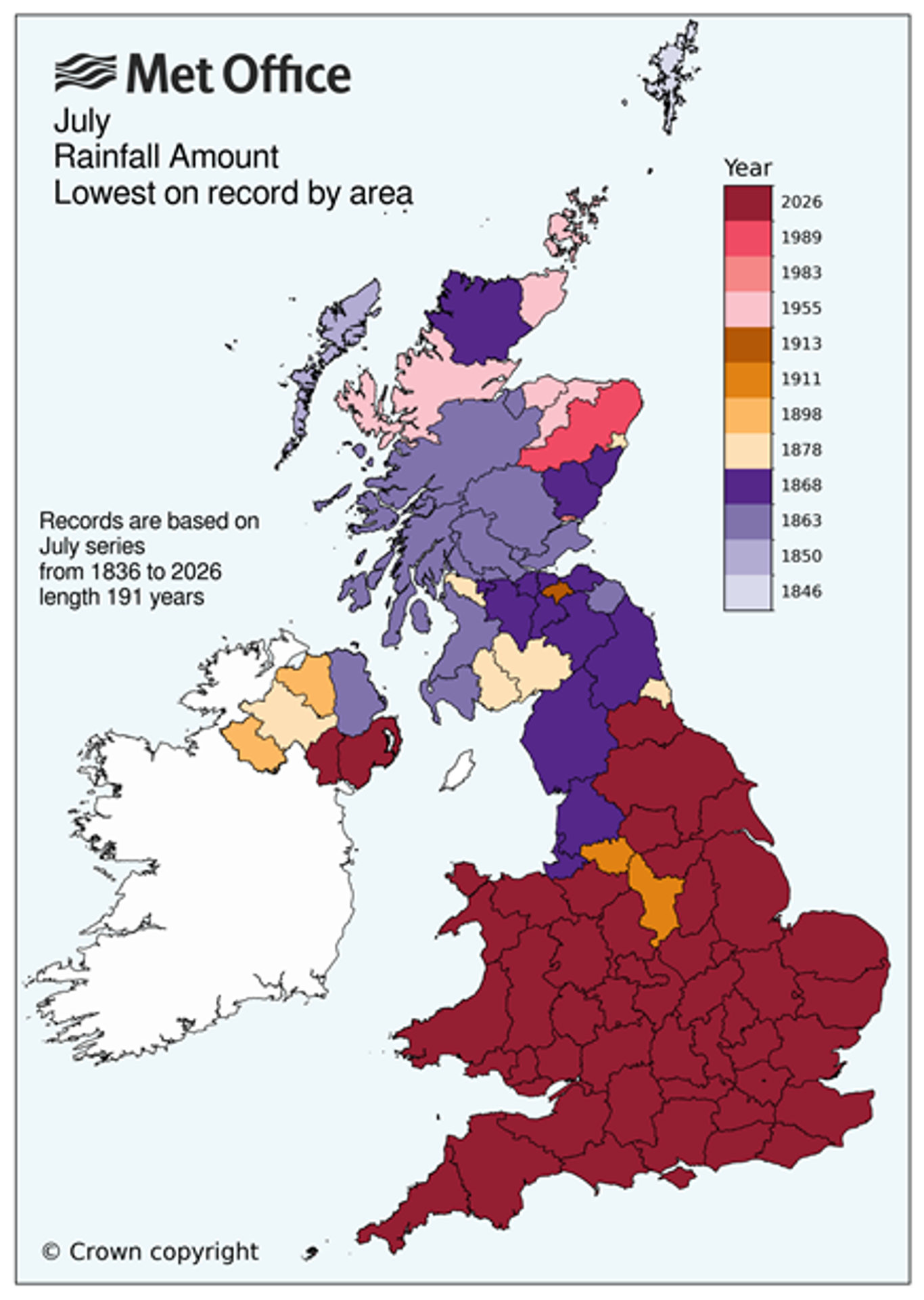
Image 2: Met Office, 2026, https://www.metoffice.gov.uk/about-us/news-and-media/media-centre/weather-and-climate-news/2026/historic-july-sees-record-dryness-unprecedented-sunshine-and-exceptional-warmth
While sunshine is generally beneficial for crop growth, prolonged periods of extreme heat rapidly accelerated crop development, shortened grain fill and increased moisture stress.
When the rain did arrive in early June, for many crops in England it proved to be too little, too late, leaving some crops unable to recover fully before harvest.
However, from the Humber Estuary north, crops generally benefitted from more timely rainfall and less extreme temperatures, which led to improved crop performance.
Changing cropping patterns
A combination of a favourable autumn drilling window due to the early 2025 harvest and a reduction in demand for spring barley due to the distilling industry downturn led to an increased winter cropping area and significantly reduced spring barley area.
AHDB data highlights significant changes in UK cropping areas between harvest 2025 and 2026:
-
Spring barley area fell by 18% to 612,000 hectares, with the Scottish spring barley area falling to 258,000 hectares – its lowest level since 1965.
-
Winter barley area decreased by 1% overall, but the Scottish area increased by 6%.
-
Wheat area increased by 3%, from 1.6 million hectares to 1.7 million hectares. In Scotland, the wheat area was the largest recorded since 1992.
-
The area of oilseed rape (OSR), a winter crop, increased by 49%, from 241,000 hectares to 358,000 hectares
Overall, the total UK cereal area for harvest 2026, including oats and oilseed rape, was 4.8 million hectares.
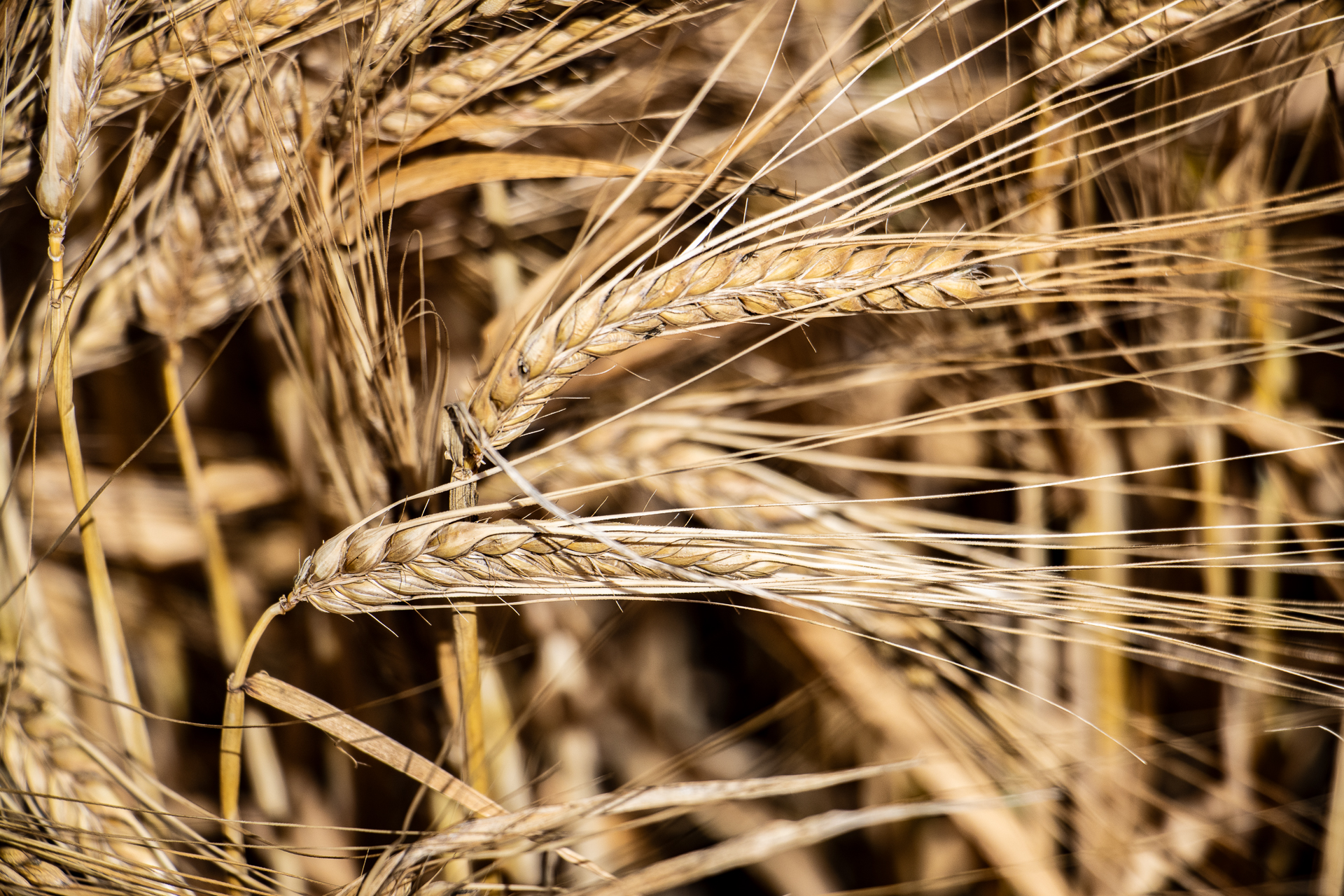
2026 Barley Harvest - UK Winter Barley
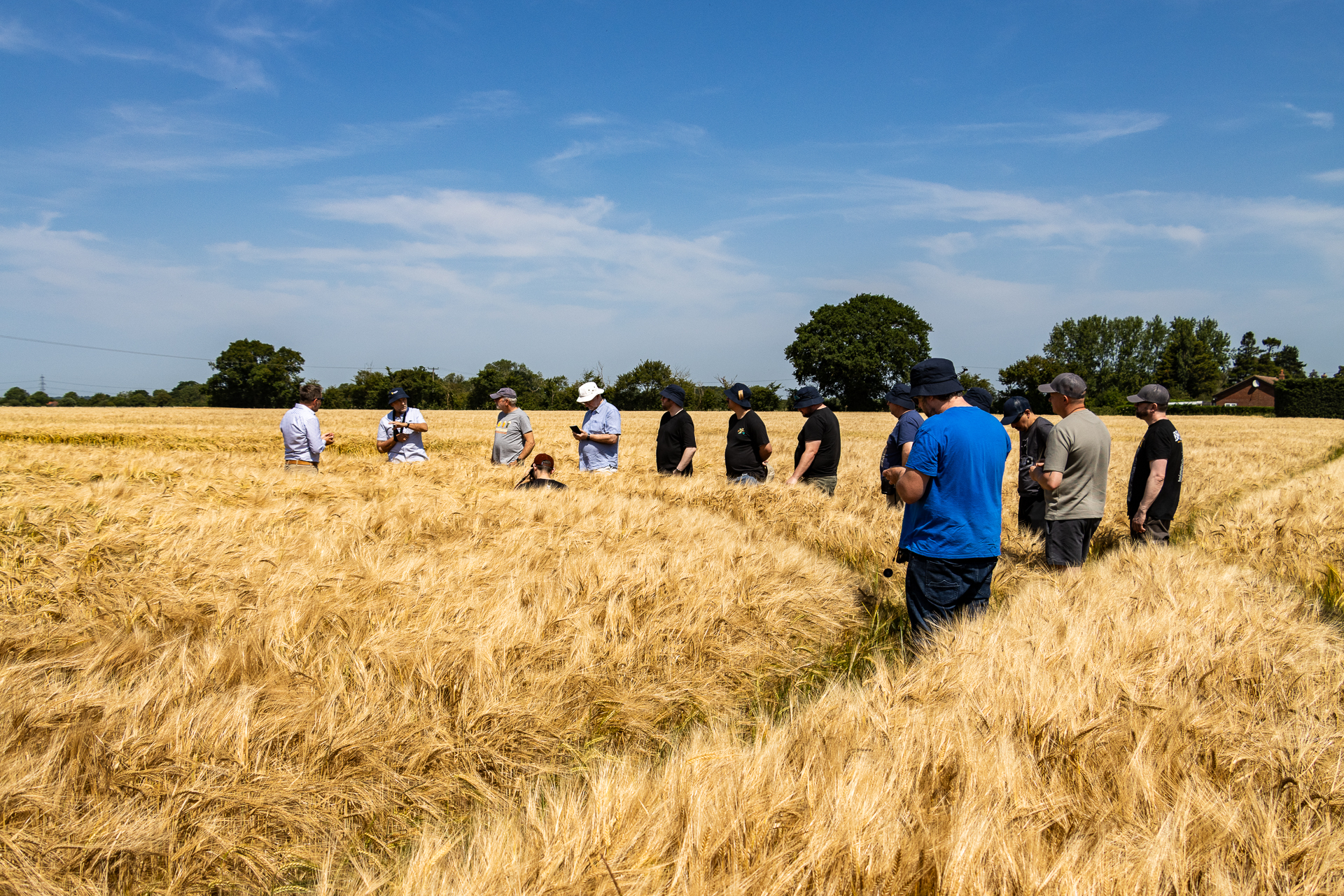
Following near perfect drilling conditions in autumn 2025, winter barley crops got off to an excellent start across much of the UK.
However, as mentioned above, heavy winter rainfall was followed by prolonged dry conditions and repeated heatwaves during late spring and early summer, putting crops under pressure in some regions.
In parts of southern England, harvest was largely complete by the end of July, which is almost unheard-of.
Quality was mixed, with retention and screenings proving challenging in some areas, particularly where crops experienced prolonged periods without sufficient moisture. In the south, around 65% of winter barley met malting specification, with smaller grain sizes and increased screenings reducing the proportion making the grade.
Scottish winter barley saw improved quality. Nitrogen levels mostly achieved specification, but screenings levels and yields were variable. Some regions and land types suffered – something that wasn’t particularly evident until the crop had been harvested.
2026 Barley Harvest - UK Spring Barley
For a second successive year, the story for spring barley wasn't as positive – certainly in England.
In the lead up to harvest, the heatwaves and lack of rainfall placed spring barley crops under significant stress across England and especially in East Anglia, where a large proportion of the barley procured for our Tivetshall Maltings is grown.
As a result, expectations were low but, once harvest began, it became apparent that things would be even worse than anticipated. Samples with high nitrogen levels were in abundance, reflecting the severe moisture deficit faced by crops during the growing season. Low nitrogen is a key indicator of malting quality.
Yields were also disappointing in many areas, as insufficient rainfall limited grain fill. Reports on farm suggest yields were approximately 19% below the UK five-year average.
Overall, estimates suggest that around 30% of spring barley in southern and eastern England achieved brewing specification, while in some areas as little as 5% met distilling specification.
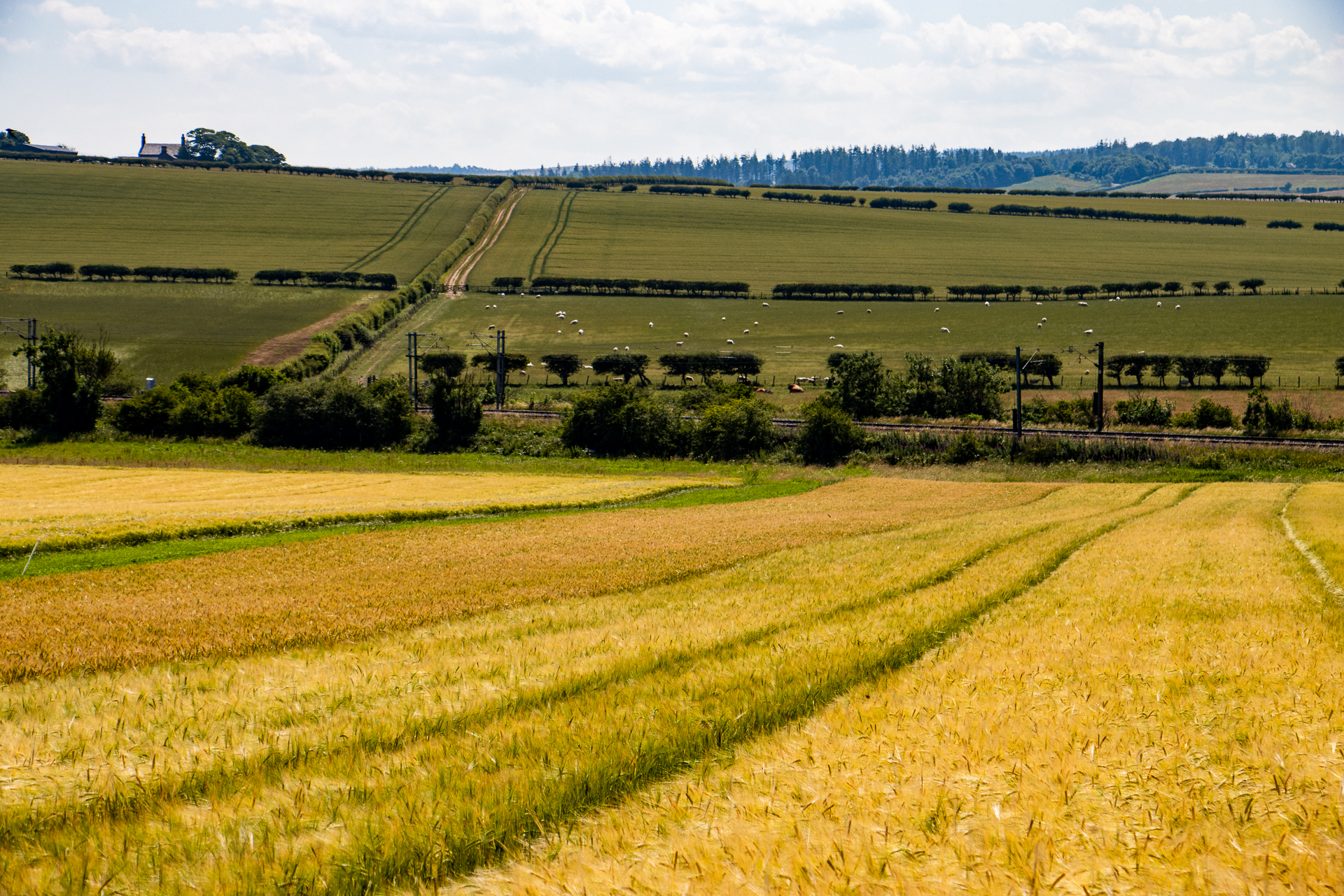
In northern England and Scotland, the picture was somewhat similar to winter barley, with improved quality and yields.
Many crops met specification, but some trends evolved. Crops grown on lighter land or in succession of vegetables or grass experienced quality and yield issues, primarily higher nitrogen content and higher screenings levels.
Despite better crop performance further north, the poor yields across much of England, combined with a lower planting area, has resulted in what is believed to be one of the lowest UK spring barley crops in decades.
The early harvest has, however, provided many growers with an excellent opportunity to establish autumn crops in good seedbed conditions, while many have also been able to sow cover crops.
Cereal market overview
As we have seen in recent years, global events continue to shape cereal markets. While UK barley production is expected to be lower this season, demand remains equally important. In fact, the UK Brewing, Malting and Distilling (BMD) sector is forecast to use its lowest volume of barley on record, based on data stretching back to 1990/91.
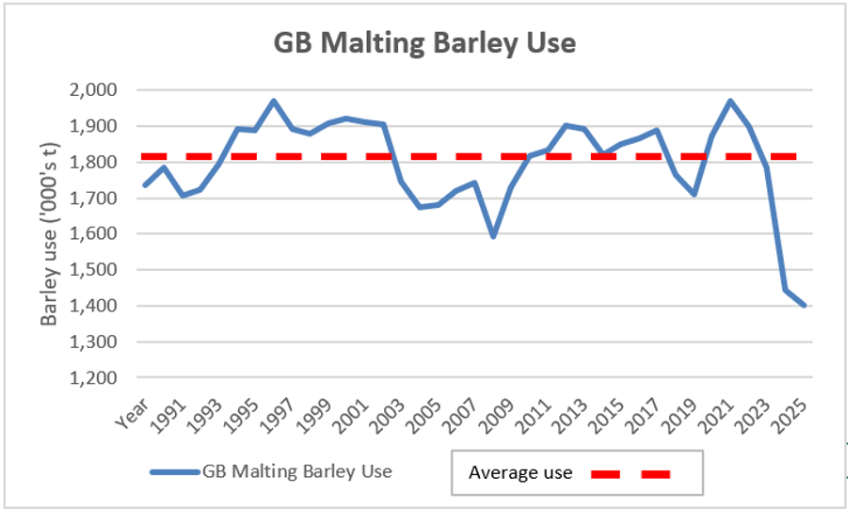
Image 7: Farm Advisory Service, 2026, https://www.fas.scot/news/spring-barley-harvest-2026-prospects/
One of the most influential market drivers remains the ongoing conflict between Russia and Ukraine. Any meaningful progress towards a ceasefire or peace agreement could see the market experience downward pressure as additional supplies become available. Conversely, continued disruption to exports may help support grain values.
Elsewhere, drought conditions across parts of Western Europe has adversely affected yields of several crops, including maize. Reduced maize production has the potential to strengthen feed barley markets, which in turn could provide support to feed barley values.
In terms of wheat, France, Europe’s largest winter wheat producer, harvested its smallest wheat crop in the last 50 years, down 7.6% year-on-year. In September 2026, meanwhile, UK wheat futures reached their highest level in more than two years.
Logistics and grain movement will also be key considerations this season. While barley supplies appear relatively strong in parts of northern England and Scotland, production challenges further south are likely to increase the movement of grain across the UK to satisfy regional demand.
Ultimately, it is the broader global supply and demand balance, rather than any single feature of the UK harvest, that is likely to have the greatest influence on cereal markets in the months ahead.
As recent years have repeatedly demonstrated, changes in global production, trade flows and geopolitical events can alter market sentiment rapidly.


Share