
Why barley variety choice matters for malt quality
Malt consistency and reliability is hugely important to brewers and distillers and the barley variety used for malt production has more influence on determining overall quality and performance than you might expect.
The journey of each one of our malts begins long before it enters our malting sites; it starts in the field with a crop of barley.
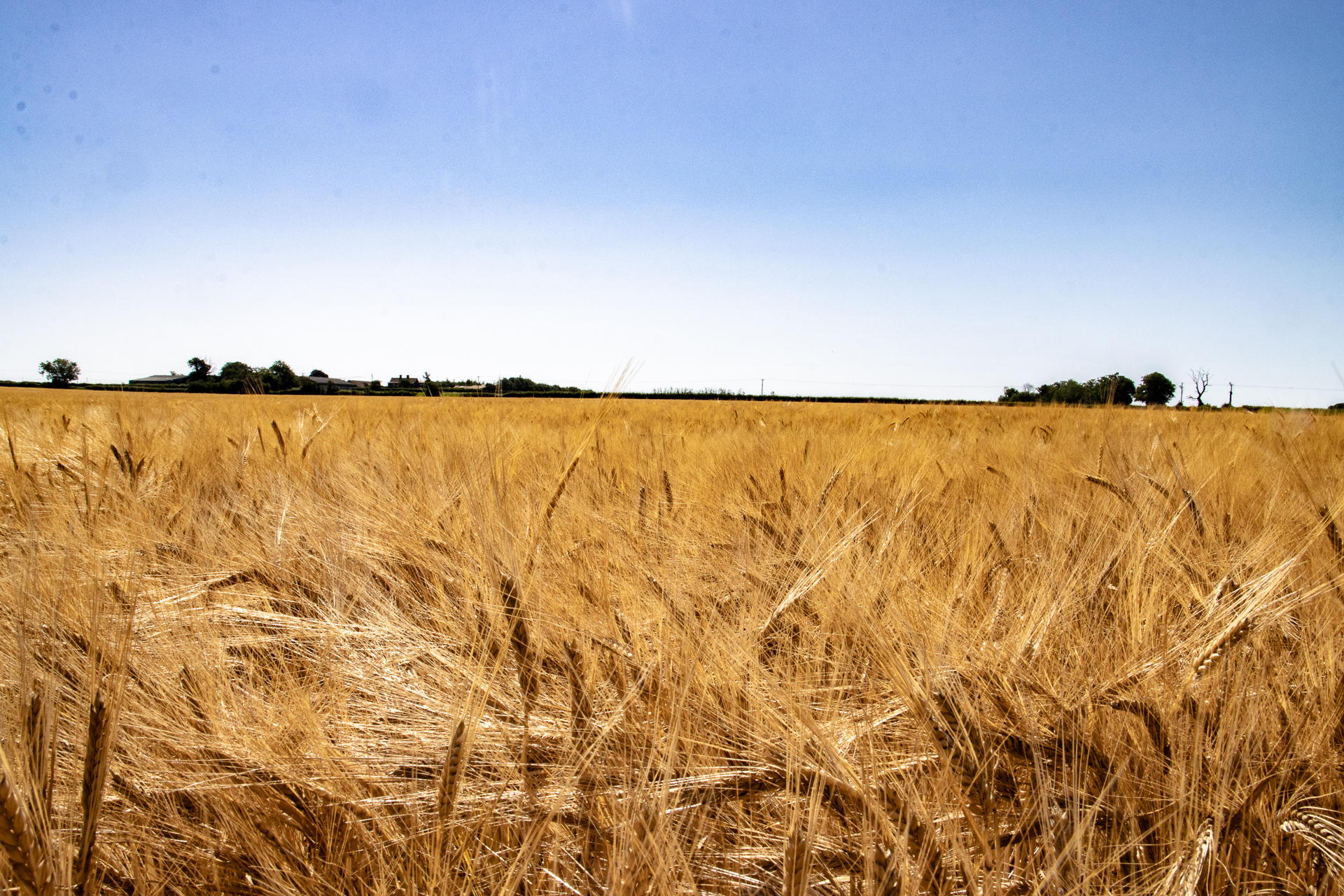
To the untrained eye, a field of barley is a field of barley, but different varieties are bred for very different end uses and understanding how different barley varieties impact the malting process is important.
What's the difference in barley varieties?
The two main end uses for barley are malting and animal feed.
In the UK, malting barley varieties are selected and approved through rigorous testing and evaluation by the Maltsters Association of Great Britain's (MAGB) – the trade association of the UK malting industry – and its Malting Barley Committee (MBC).
The MBC oversees the 'Stairway to Heaven' – the system that tracks malting barley varieties from development by the seed breeder through to commercial use for either brewing, distilling or both.
This robust system ensures that only after demonstrating consistent performance over multiple years across a range of technical parameters – germination, enzymatic activity, protein level and extract potential, to name a few – does a variety earn approval for malting use.
The MBC meets twice per year and it is here where decisions are made as to whether a variety progresses along the 'Stairway to Heaven' towards commercial use or is removed from the list. Our Cereal Seed Director, Laura Beaty, sits on the panel, meaning we are actively involved in the evaluation and approval of new malting barley varieties and are kept abreast of the latest developments in barley breeding and selection.
Feed barley varieties, by contrast, are bred primarily for high yield and cost efficiency. While well suited to animal feed markets, they are not developed to consistently meet the technical specifications required for malting and don't undergo the same levels of scrutiny.
Despite that, there are no rules or requirements in place that say that feed barley varieties can't be used for malting.
Our approach to malting barley sourcing
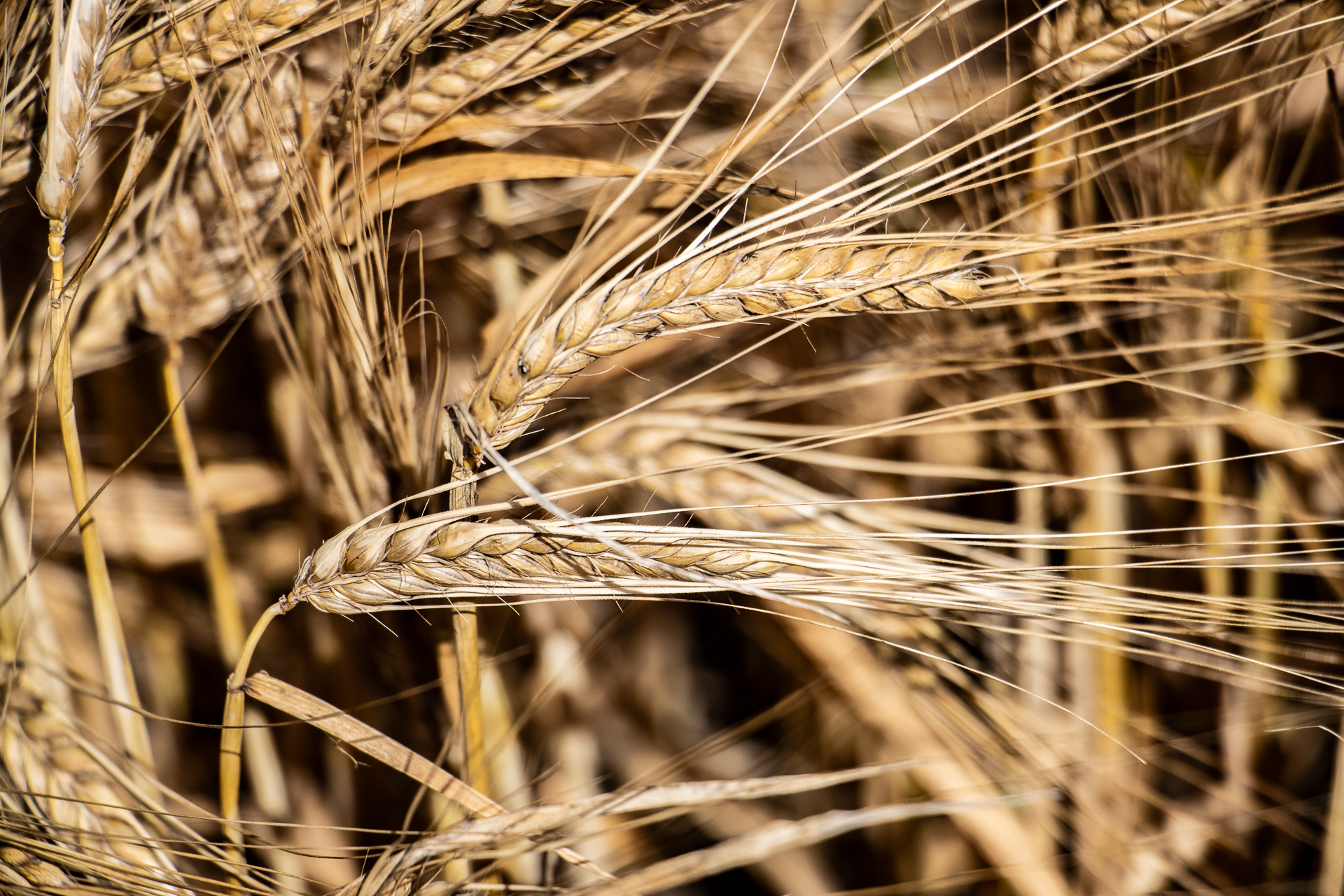
At Simpsons Malt, we're steadfast in our belief that you can't make high-quality, consistent and reliable malt without high-quality malting barley.
That's why every load of barley that enters our malting sites is a variety that is currently or has been historically (eg. Golden Promise and Maris Otter) approved by the MBC, with the ability to deliver consistent performance in both production and at the distillery or brewery.
Over the years, we've also developed our supply chain to have as much control over our malting barley supply as possible.
All of our malting barley supply, with the exception of Maris Otter, is directly contracted with growers and we take care of the collection from farm and delivery into our in-house grain storage infrastructure post-harvest, ensuring great levels of control and traceability.
At our Tweed Valley Maltings, meanwhile, our agricultural merchanting division McCreath Simpson & Prentice supplies certified seed to our contracted growers. Sowing with certified seed highlights variety purity, bolsters traceability and, in our opinion, improves quality.
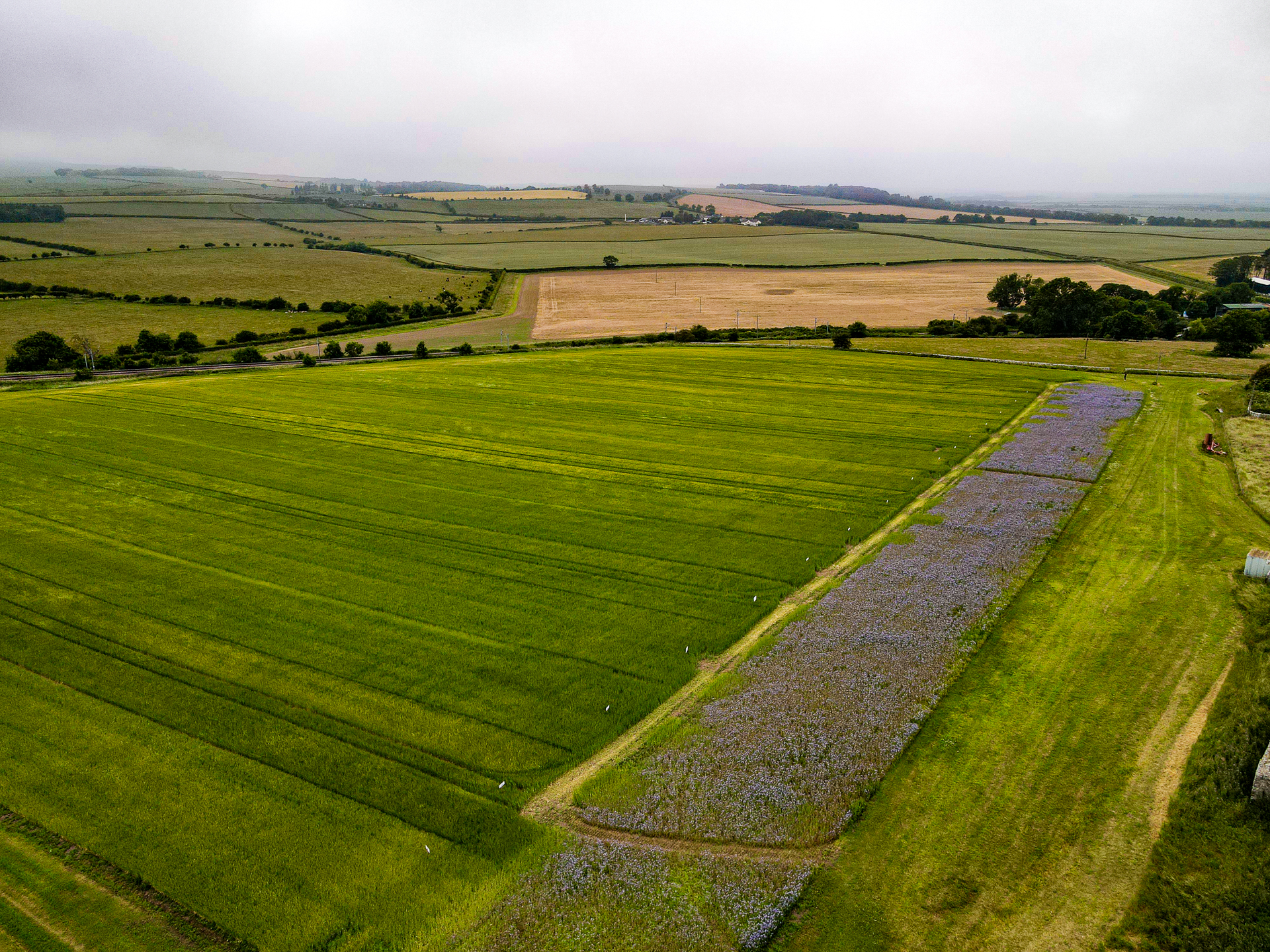
In addition, each year, we operate spring barley variety trials sites across the north of the UK, with sites in Beal, Northumberland and Portsoy and Laurencekirk – both in Aberdeenshire. These trials sites allow us to evaluate the performance of existing and new varieties in different regions under real growing conditions, before we make any decisions about what we recommend or contract.
Post-harvest, these varieties are analysed in our laboratory at intake and then tested through our micromalting process – a small-scale malting process. The results of this, combined with findings from other sites, helps to determine whether a variety is moved through the 'Stairway to Heaven' by the MBC to larger, field-scale trials and then commercial use.
Why barley variety matters for brewers and distillers
Brewing and distilling are processes that benefit greatly from the consistency and predictability of the malt supply.
Each step of the malting process – especially the steeping stage – is influenced by the characteristics of the barley variety used. Key characteristics such as moisture and nitrogen levels vary by variety and from crop year to crop year, but all have a direct bearing on what ends up with the end user.
By working alongside a supplier that uses only varieties that are currently or have been historically approved by the MBC, it provides confidence that varieties – which are then used for malt production – have met quality parameters over multiple years and in contrasting growing seasons.
When this is combined with certified seed supply and the control we have of our malting barley supply through dealing directly with our contracted growers, it helps to reduce brewhouse efficiency issues or unwanted variation between batches.


Get in touch
Learn more about our malting barley supply chain or get in touch with us at orderoffice@simpsonsmalt.co.uk or call 01289 330022.


Share