
Golden Promise vs Maris Otter: Comparing two beloved heritage malts
In an industry driven by continual plant breeding and higher-yielding varieties, most barley varieties have a finite commercial lifespan.
Yet more than 60 years after their introduction, two heritage malting barley varieties – Golden Promise and Maris Otter – continue to be grown by a band of dedicated farmers.
In this blog, we explore what has kept these two heritage varieties in demand for more than half a century and why they continue to justify a premium today.
Golden Promise & Maris Otter: A short history
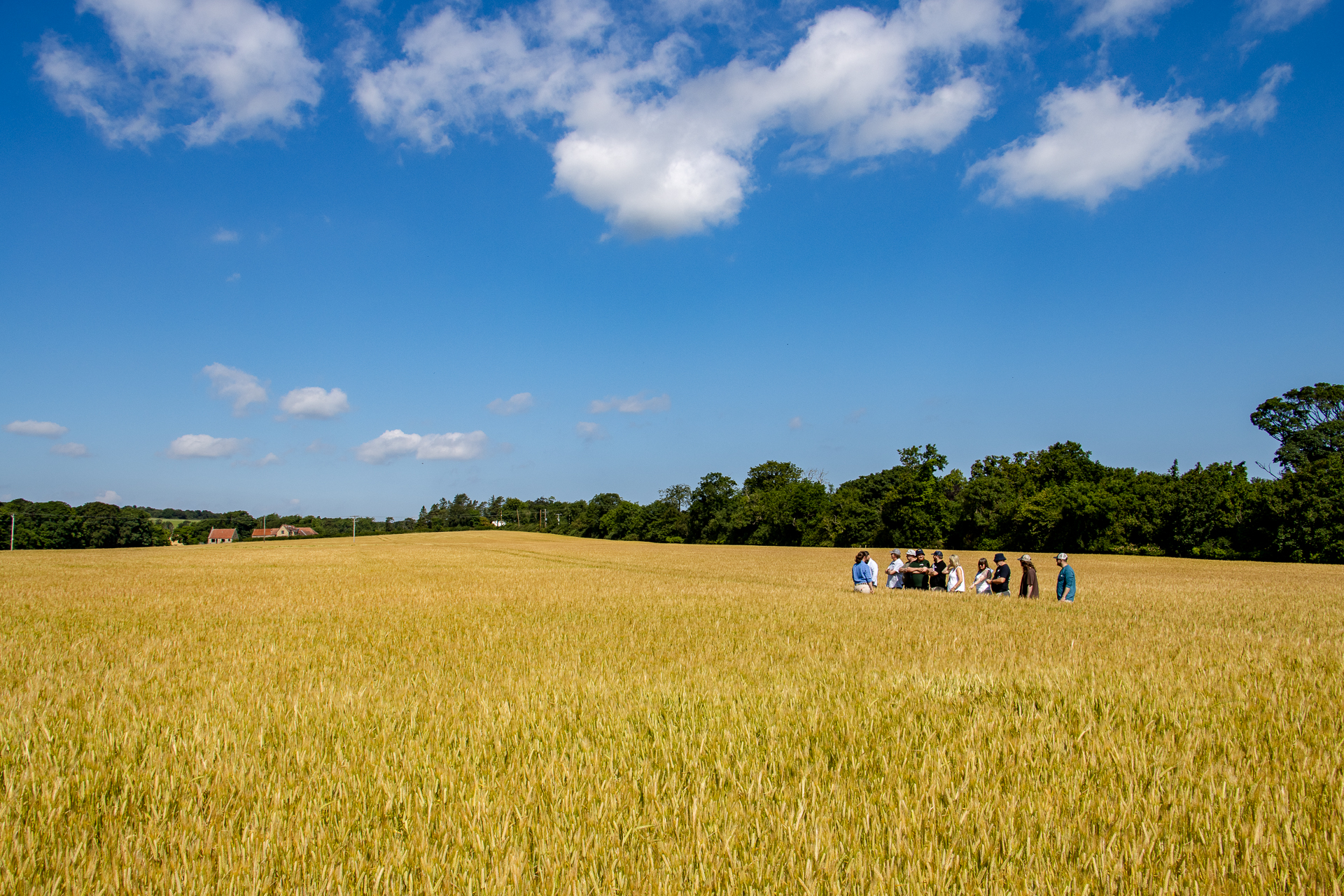
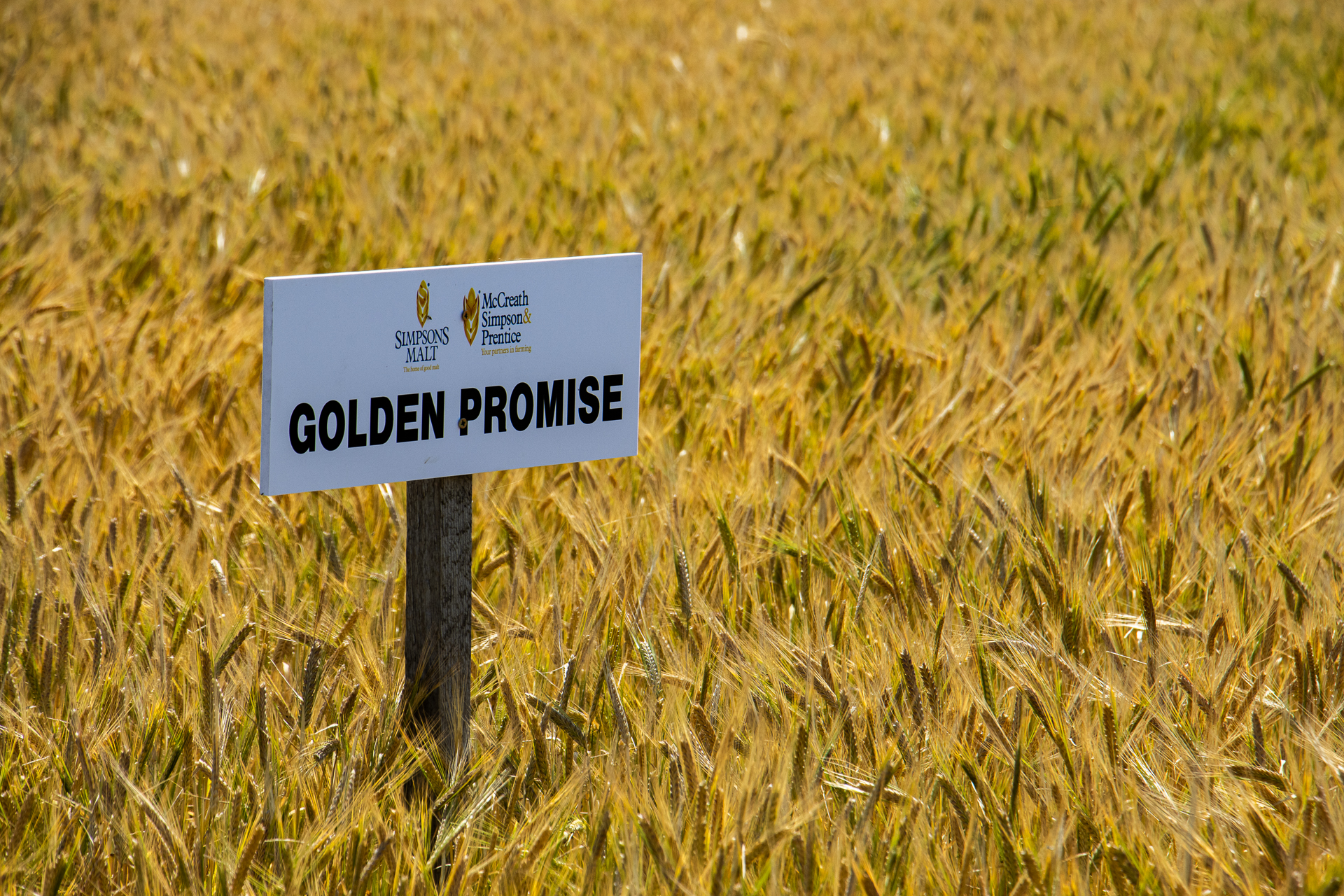
Introduced in the 1960s, Golden Promise was bred as a direct mutant of the Maythorpe barley variety.
Originally developed as a distilling variety, suited to the growing conditions of Scotland and Northern England, it quickly established a reputation for its excellent malting quality.
By the early 1980s, however, newer, higher-yielding varieties had entered the market, bringing its commercial lifespan to an end.
Despite the decline in demand to grow Golden Promise from farmers due to its decreasing yield, many brewers – including Timothy Taylor's Brewery in Keighley, West Yorkshire – remained passionate about the variety and were keen to secure its long-term future. Around the same time, our then Chairman, Simon Simpson OBE, purchased an arable farm near Eyemouth in the Scottish Borders and began to grow Golden Promise each year.
More than 30 years later, in 2015, we became the Plant Variety Rights holder for Golden Promise and today, our in-house agricultural merchanting division, McCreath Simpson & Prentice, is responsible for its maintenance.
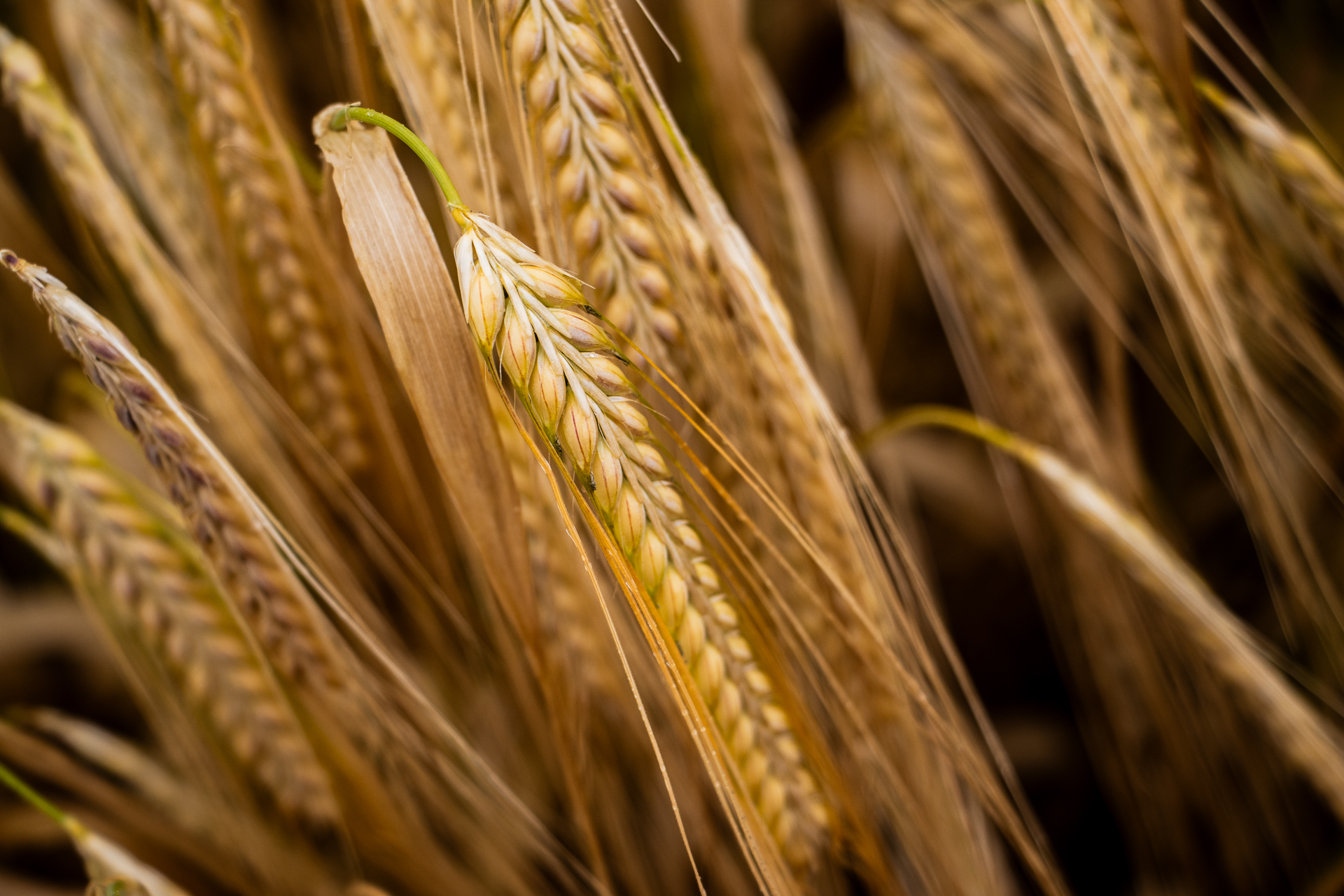
Maris Otter, meanwhile, is a cross between Pioneer and Proctor, was launched as a brewing variety in 1965.
Like Golden Promise, by the 1980s, its popularity had declined as newer malting barley varieties were introduced and cross pollination affected the variety's genetic purity. By the end of the decade, it had been officially removed from the AHDB Recommended List.
However, regional family brewers continued to value its unique brewing qualities and demand from them remained strong. In the early 1990s, grain merchants H Banham Ltd and Robin Appel Ltd formed a consortium and worked with the Plant Breeding Institute to restore the variety's genetic purity and re-establish it commercially.
Spring barley vs winter barley
There are two crops of barley grown in the UK; winter barley and spring barley. Golden Promise and Maris Otter sit on opposing sides.
Golden Promise is a two-row spring barley variety grown almost exclusively in Scotland, with only a very small acreage grown in Northumberland.
It is sown between late February and late April and is typically harvested during the first half of August, although in recent years a late July harvest has occurred. As the earliest spring barley variety to mature, it is often harvested up to three weeks ahead of modern spring barley varieties, making it particularly well suited to northern growing conditions and for some farmers' rotations.
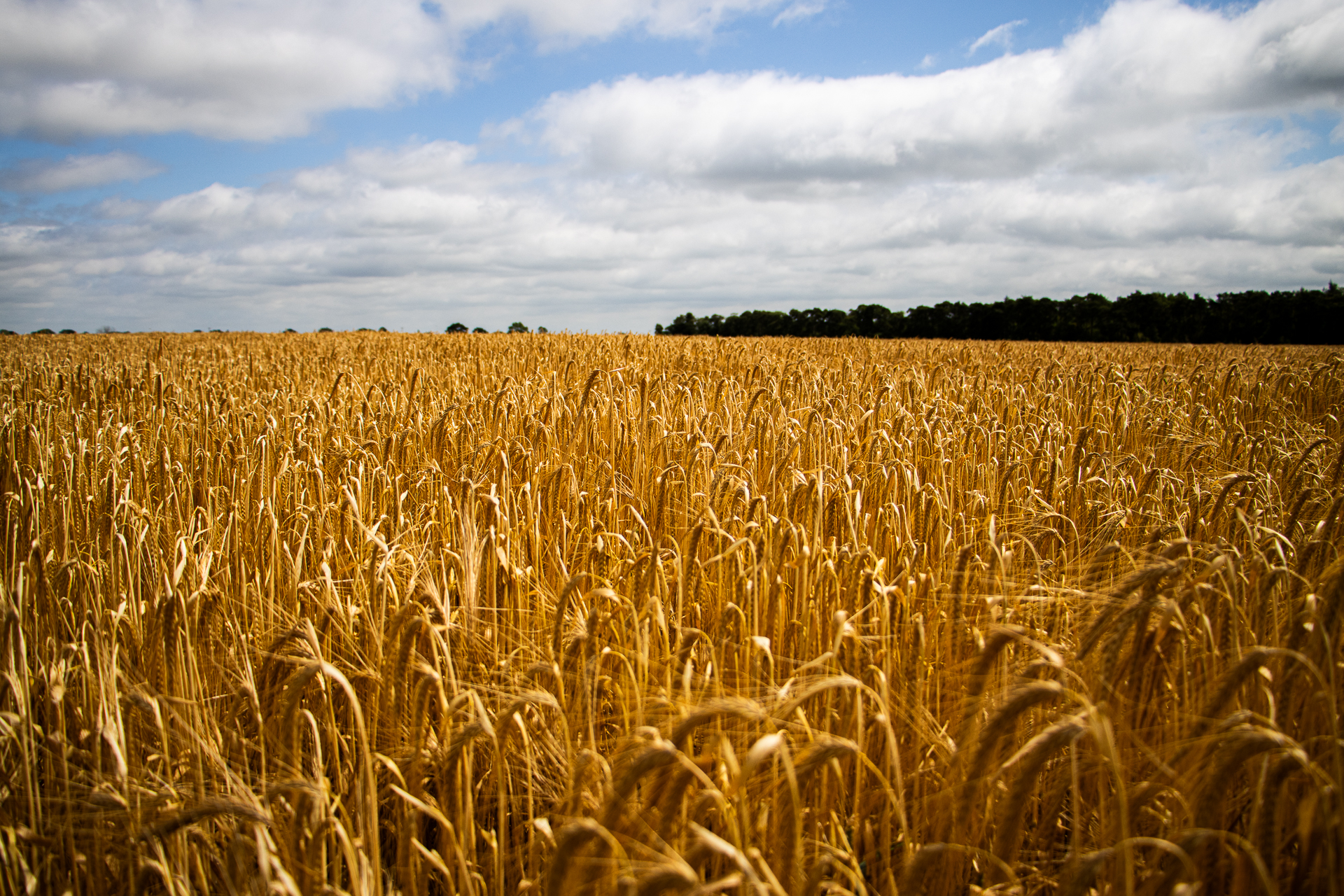
Maris Otter, by contrast, is a two-row winter barley variety grown exclusively in England between September and November and harvested from July onwards. We procure our Maris Otter from farms in Cornwall, Devon, Wiltshire and East Anglia through Robin Appel Ltd.
Our approach to sourcing
As mentioned above, since 2015 we have been the sole maintainer of Golden Promise in the UK through MSP. As the Plant Variety Rights holder, we oversee every stage of the higher-grade seed certification in-house.
Beginning with the certified pre-basic seed, safely stored at our seed plant, each generation is officially inspected in-field before harvest and in our lab post-harvest to verify that it meets the stringent standards required for certified seed. It is then supplied to our farming customers to grow on commercial malting buy back contracts.
Maris Otter, on the other hand, follows a different route. The variety is co-owned by H. Bantham Ltd and Robin Appel Ltd, while NIAB oversees the ongoing process of maintaining varietal purity through careful selection and removal of contaminants.
Although we don't hold the variety rights for Maris Otter, we have built a strong, long-standing relationship with Robin Appel Ltd.
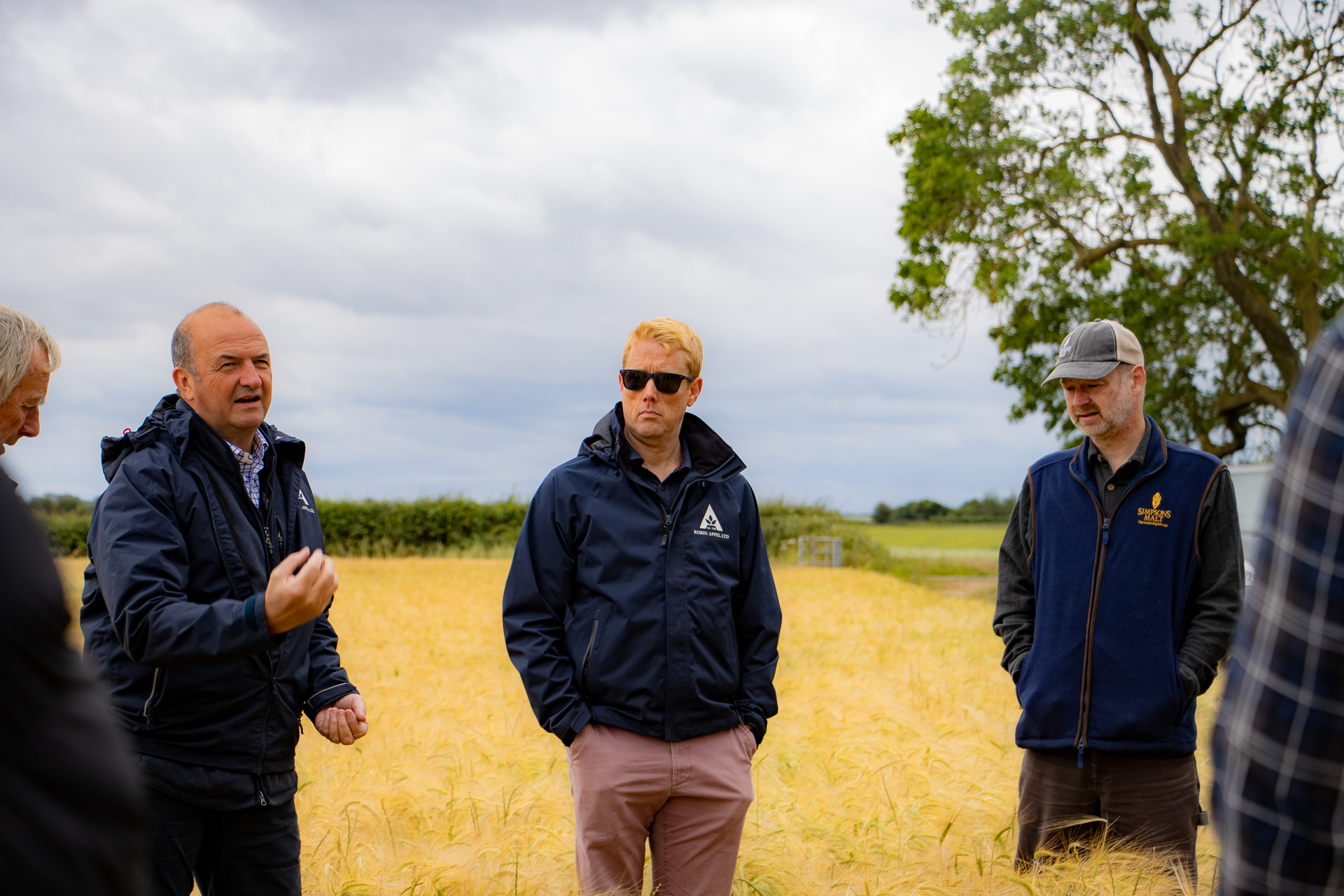
Each year, in partnership with them, we host our annual Maris Otter Day, bringing together some of our UK brewing customers for a day of learning all about the heritage variety, visiting growers and seeing how the variety goes through the malting process.
Brewing with Golden Promise or Maris Otter
Brewers at both craft breweries and more traditional breweries alike value Golden Promise and Maris Otter for the distinct taste and flavours they feel the malts bring to their beers.
Golden Promise is known for its sweet, clean, slightly nutty and bready malt character, alongside its well-rounded, balanced body and light golden hue. Maris Otter, meanwhile, is more malty and biscuity with a fuller mouthfeel and a slightly drier finish.
Check out the quotes below from users of the two heritage malts:
A price worth paying
Whether you purchase Golden Promise or Maris Otter through us or via one of our distributors, you'll no doubt be aware that it is more expensive than a base malt produced using a modern, spring barley variety (eg. Best Pale Ale or Extra Pale Ale).
The main reason for that is because they're both heritage varieties, Golden Promise and Maris Otter are significantly lower yielding – around 20-30% – than modern varieties, which have been bred primarily for agronomic performance.
As yield is the principal driver of a grower's return, heritage varieties therefore require a premium to be paid to the farmer to make them economically viable to grow.
Over the years, this has been a cost that the market has been consistently prepared to meet – but why?
Put simply, brewers recognise the unique, distinctive characteristics of these six-decade old varieties and view the use of either Golden Promise or Maris Otter as key to the identity of the beers they produce. As a result, they see the continued use of both Golden Promise and Maris Otter as a price worth paying.


Share