
Micromalting: A hidden but crucial part of the malting process
Before a new barley variety makes it near the brewery or distillery, it has already been through years of trialling, testing and scrutiny.
At the centre of this is a process called micromalting, which, in simple terms, is exactly what the name suggests: malting barley on a much smaller scale.
The data it provides informs decisions across the whole supply chain, including the barley varieties farmers grow each season and the malting programme it follows to ensure the production of high-quality malt.
In this article, our Seed Director Laura Beaty and Quality Manager Cole Mather, share their perspectives on why micromalting plays such a key role both in the field and at our malting sites. You can also watch this video featuring both Laura and Cole below:
What is micromalting?
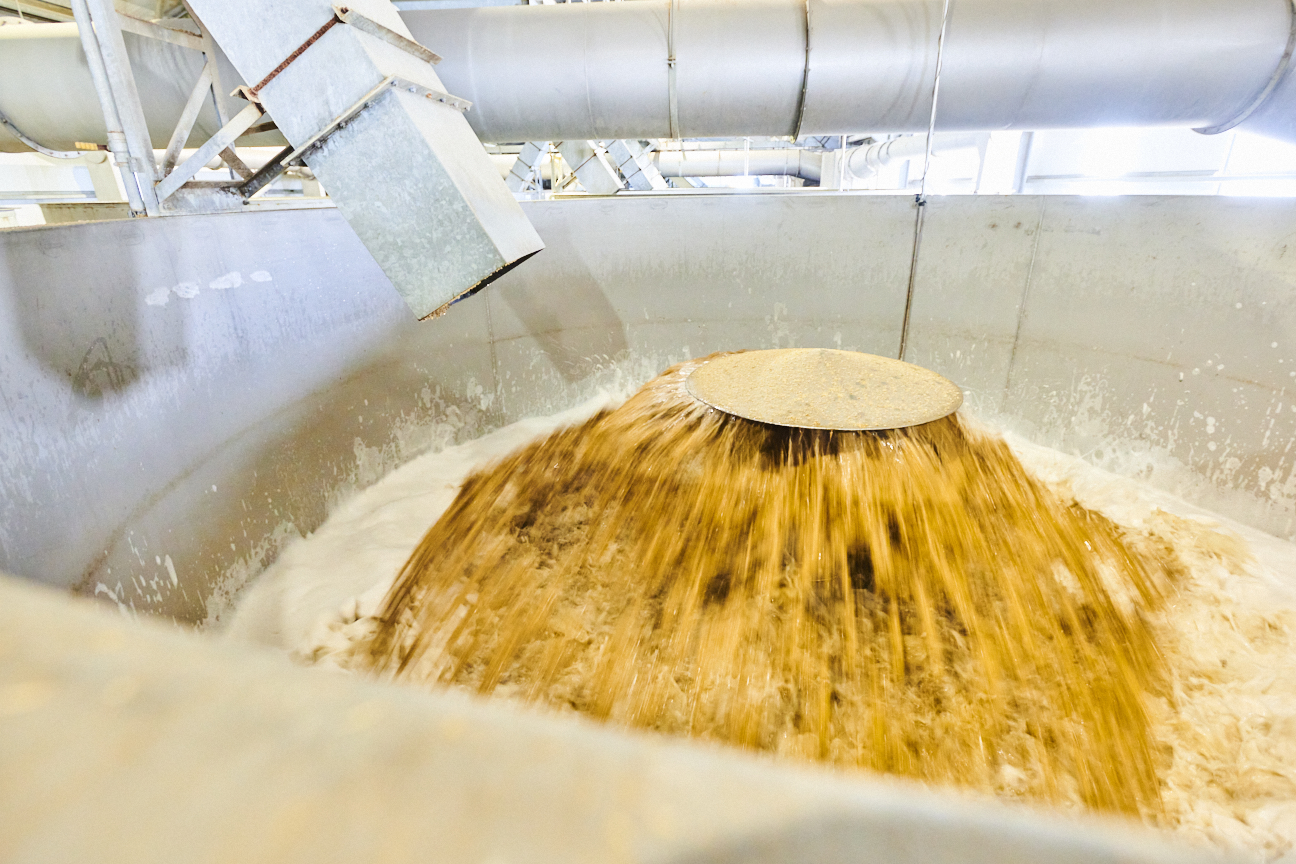
Micromalting involves taking small samples of barley – often new or emerging varieties – and replicating the malting stages of steeping, germination and kilning in a small, controlled and almost 'perfect' environment.
The difference is the scale as, while commercial malting sites might be processing tens or hundreds of tonnes at a time, micromalting works with samples as small as a kilogram, all within a tightly controlled environment. This gives us a clear starting point and understanding of what the barley could achieve before we commit to malting it at scale.
Why do we use micromalting?
The primary purpose is to understand how the barley variety is likely to behave during the malting process long before it reaches commercial production. This is particularly important when dealing with new varieties, where growing at scale simply isn't practical at such an early stage.
It is also a key part of the Maltsters Association of Great Britain (MAGB) Malting Barley Committee variety approval process, where they use it to assess the performance of new varieties against control varieties before approving them for use in commercial malting, brewing and distilling.
How it all links together
What makes our approach different is that we have agricultural merchanting business, McCreath Simpson & Prentice (MSP), integrated within our business. With more than 95% of the barley we use for malt production contracted directly with growers, we have a close connection to the crop from the outset.
Our Seed Director, Laura Beaty, sits on the MAGB Malting Barley Committee, ensuring we are closely involved in the evaluation of new varieties. This is supported by our in-house seed operation, where seed crops are grown on contract with dedicated growers and are then tested and processed before being supplied to our contracted growers. This gives us full traceability and control.
Understanding how varieties perform
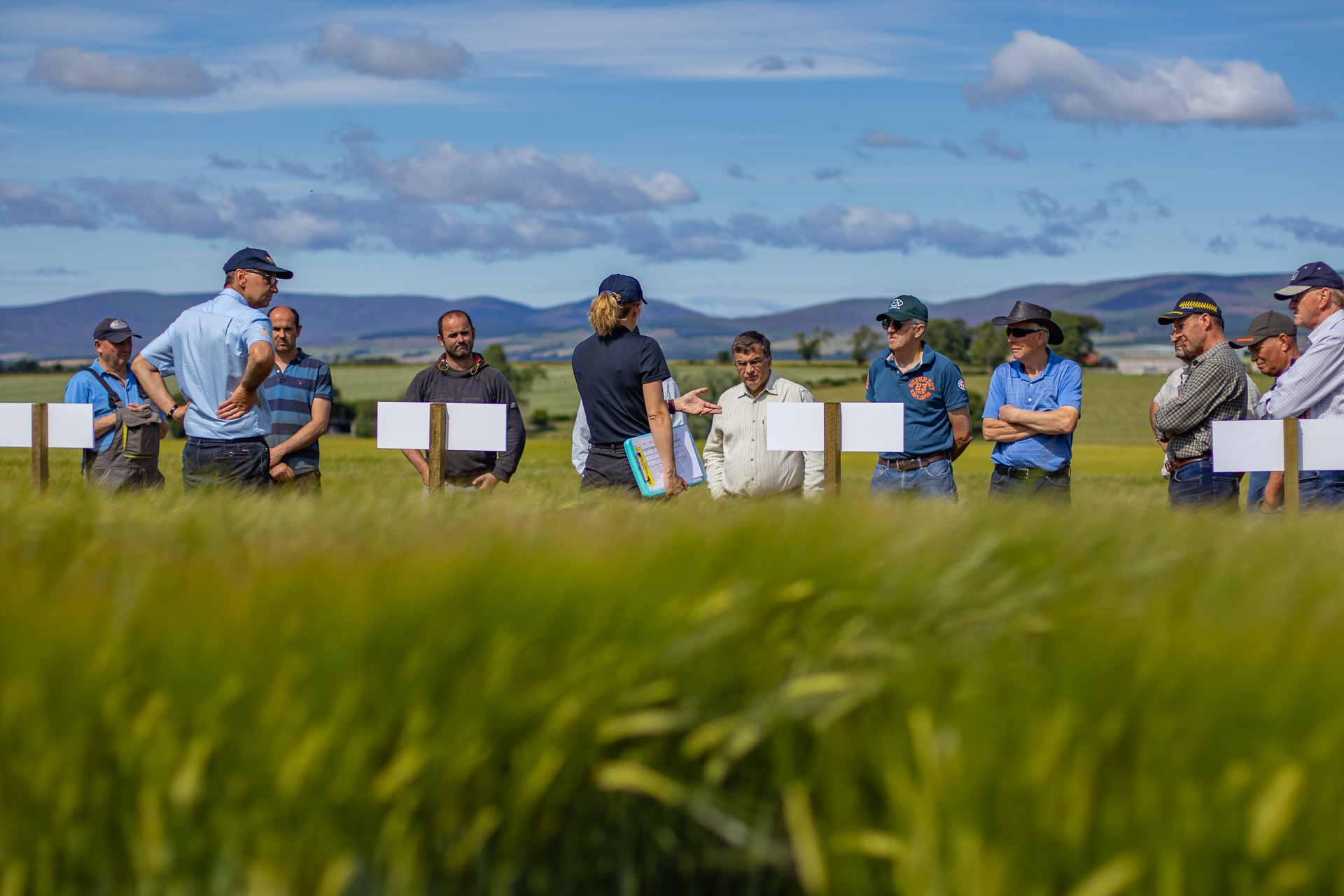
We have a number of malting barley trials sites across the MSP trading area. At these sites, we assess many different barley varieties each year and micromalting helps us to build a clearer picture of how each variety is likely to perform at commercial scale.
The data generated from this process goes well beyond the intake analysis typically used when assessing grain. While things like nitrogen levels, specific weight, screenings, moisture and germination are still important, micromalting looks beyond this and shows how those characteristics actually translate into malting performance, which is the most important part for our distilling and brewing customers.
Seasonal variation
One of the biggest challenges is that, in agriculture, no two seasons are ever the same.
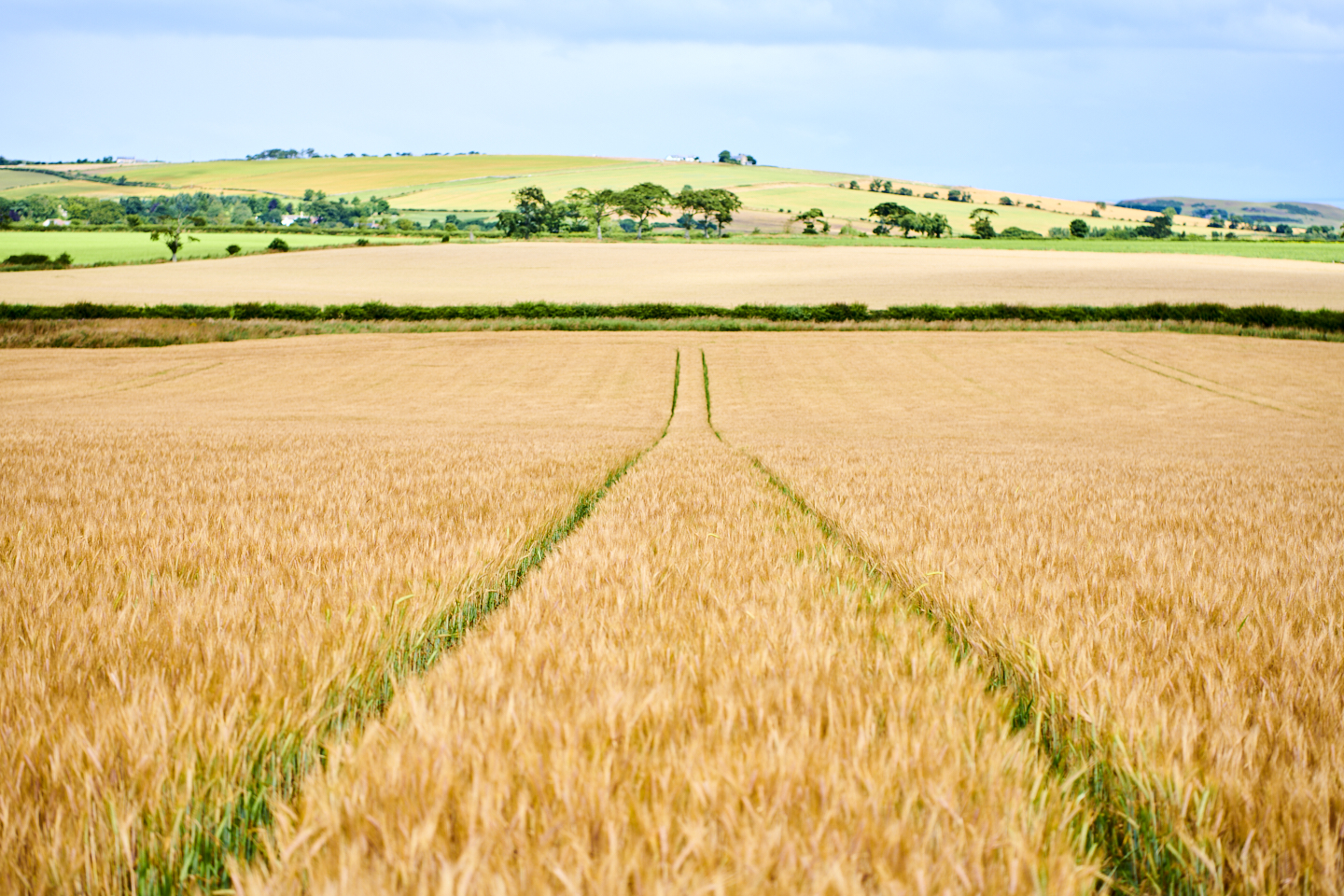
The weather can have a significant impact not just on the quality of the barley, but also on how it behaves through the malting process.
That's where micromalting really comes into the equation. In a perfect year, some varieties may appear strong, but it's the more challenging seasons that reveal how robust a variety is.
This highlights the importance of micromalting over many years in building a complete understanding of a variety over time.
Giving growers confidence
Without micromalting, it would be nigh on impossible to predict whether a variety will perform as want it to. Instead, we are able to identify potential issues early and make more informed decisions and recommendations.
Choosing which variety to grow is a big decision and ultimately a financial one. If we're asking a farmer to grow a variety, they need to trust that it's been through a thorough testing process and that there's a viable end market for it.
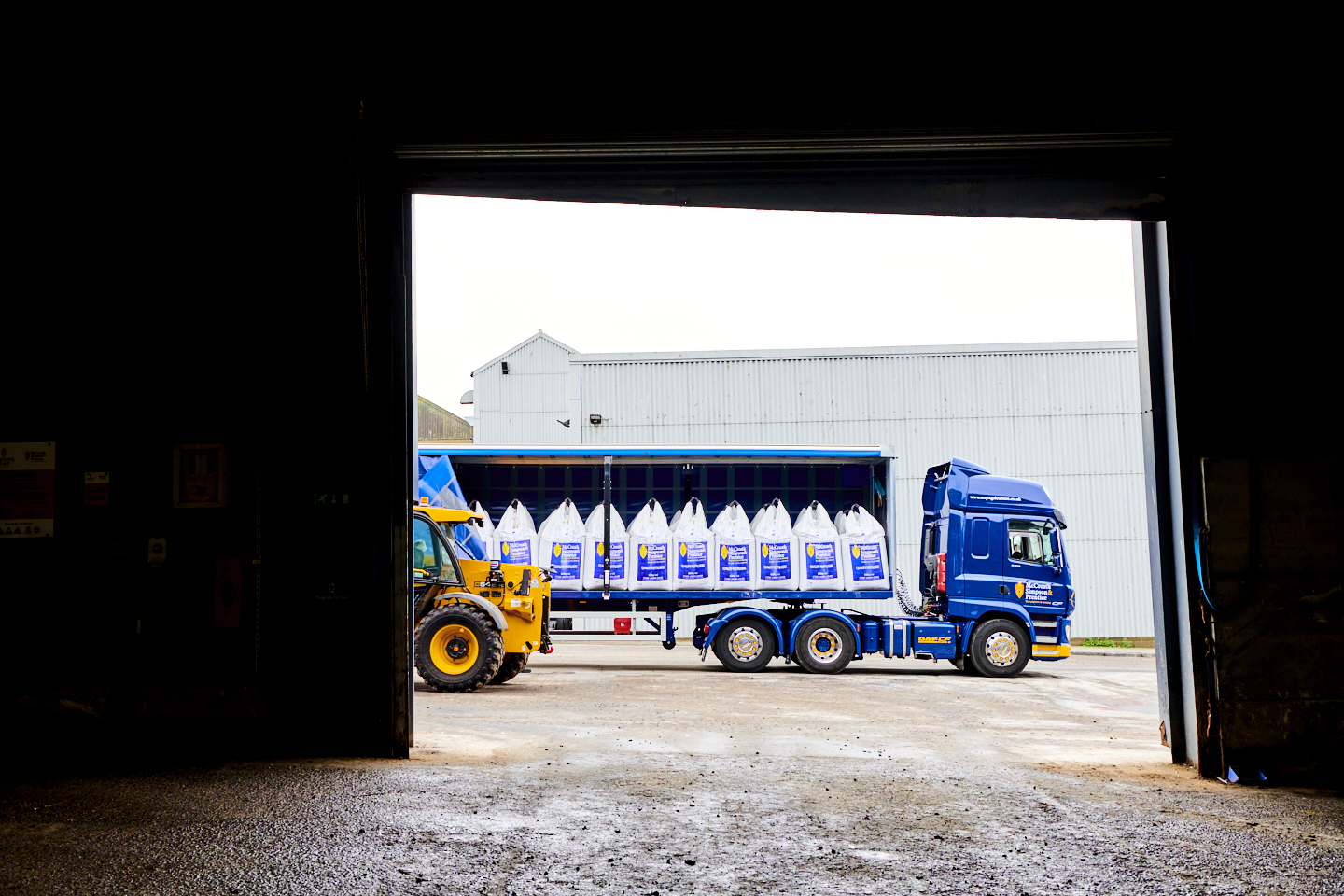
As well as providing recommendations to the growers, we share the data with seed breeders we work with to show how their varieties have performed. In some cases, we also share insights with some of our end user customers.
How we use it at our malting sites
Once the barley arrives at our malting sites, the focus shifts from evaluating varieties to understanding how each crop behaves in the process.
For Cole and the malt production team, micromalting is a valuable tool for setting expectations and guiding decisions before anything goes into commercial malting.
Barley surprises
One of the key things micromalting shows is that barley doesn't always behave exactly as expected.
For example, a few years ago we saw high nitrogen levels in the barley which is typically associated with slower water uptake and therefore longer steeping time due to the higher protein content and thicker husk.
However, by running several steeping schedules simultaneously, it became clear that the barley was hydrating much faster than expected and so adjusting the steeping process accordingly helped avoid what could have been a much bigger issue at scale.
Making the right decisions at scale
Testing these scenarios on a smaller scale dramatically reduces the risk compared to making the same decision on 30, 60 or even 300 tonnes of barley.
It also highlights an important reality that there is no such thing as 'malting by numbers'. Even barley of the same variety, grown in different regions or years, can behave very differently in the maltings. You very rarely see true repetition year-on-year and you must be able to adapt how you treat each batch so that the correct quality of malt for different customers is produced.
Every load of barley is sampled upon arrival at our malting sites as this gives us a constant stream of data to work from. It allows us to spot potential issues early – whether that's high nitrogen, screenings or signs of pre-germination – and make informed decisions depending on each load.
The more information we have, the better placed we are to produce the final malt product that meets the quality and consistency parameters our customers expect.


Share